China’s Revolutionary Blockchain System to Certify Green Electricity and Slash Emissions
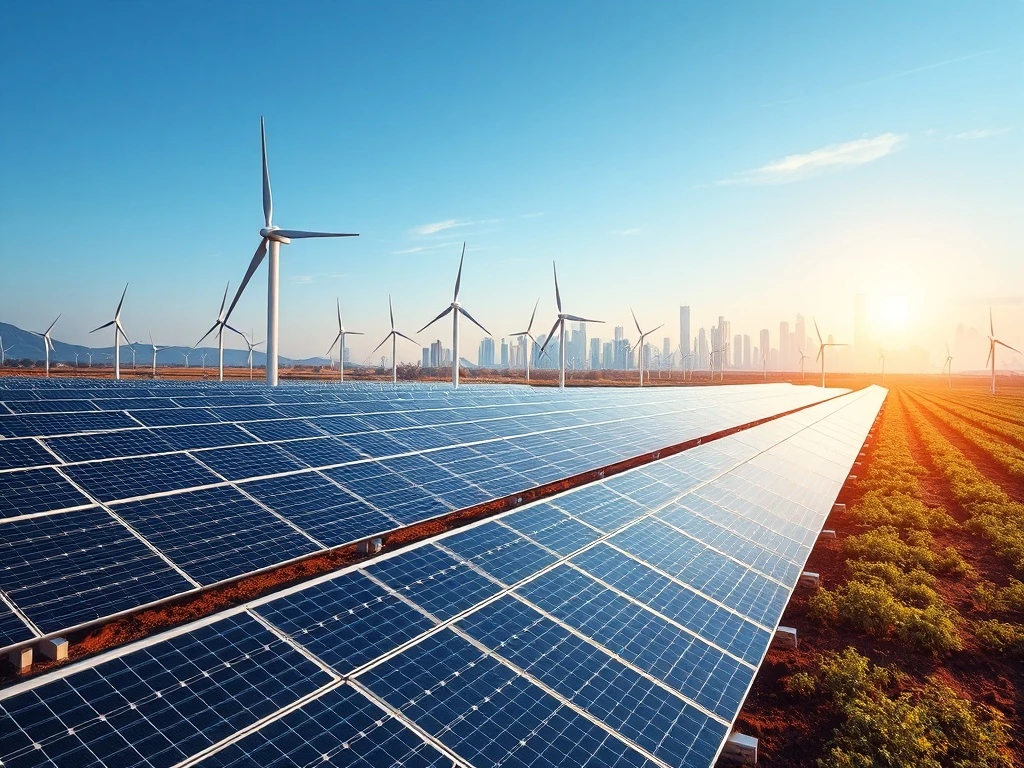
Beijing, China – March 2025. In a landmark move for global climate technology, China has announced a comprehensive national strategy to deploy blockchain technology for certifying green electricity and directly linking power consumption data with carbon accounting systems. This initiative represents a significant technological leap in environmental governance, aiming to create a transparent, unified national market for renewable energy trading by 2030. Consequently, this system will dismantle longstanding regional barriers and establish a verifiable chain of custody for clean energy across the world’s largest electricity grid.
China’s Blockchain Framework for Green Electricity Certification
The National Energy Administration (NEA), in coordination with the Ministry of Ecology and Environment, will spearhead the development of a permissioned blockchain network. This network will specifically record the generation, distribution, and consumption of renewable energy. Each megawatt-hour of electricity produced from solar, wind, hydro, and nuclear sources will receive a unique digital certificate, or “green token,” immutably logged on the chain. Furthermore, these tokens will serve as indisputable proof of clean energy use for corporations, municipalities, and industrial consumers.
Historically, China’s green certificate system, launched in 2017, faced challenges with transparency and double-counting. The new blockchain-based system directly addresses these issues. For instance, every transaction—from a wind farm in Inner Mongolia to a factory in Guangdong—will create a permanent, auditable record. This technological shift is crucial for meeting China’s dual carbon goals: peaking emissions before 2030 and achieving carbon neutrality by 2060. The system’s design prevents fraud and ensures that claims of renewable energy usage are backed by verifiable data, thereby building trust in the green energy market.
The Technical Architecture and Pilot Programs
According to technical whitepapers reviewed from state-backed research institutes, the system will likely utilize a hybrid blockchain model. Sensitive grid operation data will remain on permissioned chains managed by state grid corporations, while certification and trading data will be accessible on a more open ledger for verification by accredited parties. Pilot programs are already underway in several provinces, including Zhejiang and Sichuan, where local governments are testing the integration of real-time smart meter data with the blockchain protocol.
Unifying the Power Market and Removing Regional Barriers
A primary objective of this initiative is the creation of a truly national, unified power market. Currently, China’s electricity market is fragmented, with provincial protectionism often hindering the cross-regional flow of renewable energy. The blockchain system will provide a common, trusted platform for trading. By 2030, the government aims to have this platform fully operational, enabling a wind farm in the resource-rich west to seamlessly sell its output to manufacturing hubs in the eastern coastal regions.
This market unification carries profound economic and environmental implications. First, it will optimize the utilization of China’s vast renewable resources, reducing the curtailment of wind and solar power. Second, it will provide clearer price signals, encouraging further investment in clean energy infrastructure. Finally, it will empower consumers by giving them a direct mechanism to purchase and verify the origin of their electricity, supporting corporate Environmental, Social, and Governance (ESG) reporting requirements.
The following table outlines the key components of the unified market vision:
| Component | Function | Target Date |
|---|---|---|
| Green Certificate Blockchain Ledger | Issuance and lifetime tracking of renewable energy credits | Pilots in 2025, National by 2027 |
| Cross-Provincial Trading Platform | Facilitate wholesale green power purchases across regions | Phased rollout through 2028 |
| Carbon-Data Bridge | Automated conversion of green power data into carbon emission reductions | Integrated by 2029 |
| Consumer-Facing Verification Portal | Allow end-users to verify the green composition of their electricity | Full launch by 2030 |
Green Certificates as Proof for National Carbon Tracking
The integration of green electricity data with national carbon accounting is perhaps the most innovative aspect of the plan. Each blockchain-verified green certificate will automatically correlate with a quantifiable reduction in carbon dioxide emissions, based on the regional grid’s average emission factor. This creates a direct, automated link between energy consumption choices and carbon footprints. Major emitters covered by China’s national carbon market will potentially use these certificates to substantiate claims of reduced operational emissions, adding a new layer of integrity to carbon trading.
Experts point to this as a potential global model. “Linking granular electricity data to carbon accounting via an immutable ledger solves a fundamental problem in climate policy: measurement,” stated Dr. Li Wei, an energy systems analyst at Tsinghua University, in a recent industry symposium. “It moves us from estimation to verification.” This system supports China’s broader “digital twin” ambitions for its energy infrastructure, where a virtual model of the physical grid allows for simulation, optimization, and transparent reporting.
Global Context and Comparative Analysis
Globally, several countries are experimenting with blockchain for energy applications. The European Union’s Energy Web Foundation and projects in the United States, like those in New York and California, explore similar concepts. However, China’s approach is distinct in its scale, central coordination, and direct integration with mandatory national policy targets. The sheer volume of China’s renewable energy deployment—it leads the world in solar and wind capacity installation—means this system could become the de facto standard for managing terawatt-hours of green power transactions.
Implementation Timeline and Strategic Impacts
The rollout will follow a phased approach. Initial focus will be on certifying new renewable projects and major state-owned enterprises. Subsequently, the system will expand to cover all grid-connected generators and large commercial consumers. The 2030 deadline for a fully unified market aligns with China’s 15th Five-Year Plan period and its emissions peak target. This strategic timing underscores the policy’s role as a critical enabling tool for decarbonization.
The impacts extend beyond environmental goals. This initiative will also:
- Stimulate Domestic Tech Sector: Boost demand for expertise in blockchain, IoT, and big data analytics within the energy domain.
- Enhance Grid Management: Provide grid operators with unprecedented, real-time data on power flows and generation sources.
- Shape International Standards: Position China to influence global norms for digital green certificates and carbon accounting methodologies.
- Attract Green Investment: Increase transparency, thereby reducing risk for international investors funding Chinese renewable projects.
Potential challenges remain, including data privacy concerns, the energy consumption of the blockchain network itself, and the complexity of integrating legacy grid systems. Authorities indicate they are evaluating energy-efficient consensus mechanisms and implementing robust data governance frameworks to address these issues.
Conclusion
China’s plan to deploy a blockchain system for certifying green electricity and emissions represents a transformative fusion of digital technology and climate policy. By creating an immutable ledger for green power, the nation aims to build a transparent, efficient, and unified national energy market. This system will not only accelerate renewable energy trading and break down regional barriers but also provide a robust, verifiable foundation for national carbon tracking. As the 2030 target for a fully operational market approaches, this initiative positions China at the forefront of using digital innovation to solve critical environmental challenges, setting a potential benchmark for global energy system modernization.
FAQs
Q1: What is the main goal of China’s new blockchain system for electricity?
The primary goal is to create a transparent, fraud-proof national system for certifying the origin of renewable electricity and automatically linking its consumption to carbon emission reductions, thereby supporting a unified green power market and accurate carbon accounting.
Q2: How will this blockchain system help China achieve its carbon goals?
It provides verifiable, granular data on clean energy use, allowing for precise measurement of emission reductions. This enables more effective policy enforcement, supports the national carbon trading market, and incentivizes investment in renewables by guaranteeing the value and provenance of green power.
Q3: Who will use the green certificates generated by this system?
Renewable energy generators, utilities, large corporations (especially those with ESG commitments), and eventually individual consumers will use the certificates to prove their use of clean energy and to meet regulatory or voluntary carbon reduction targets.
Q4: How does this differ from existing green certificate programs?
Unlike traditional databases, the blockchain system offers immutability, transparency, and prevents double-counting. It also directly integrates certificate data with carbon accounting and the physical electricity grid in real-time, moving beyond a simple administrative record.
Q5: What are the biggest challenges in implementing this nationwide system?
Key challenges include integrating with legacy grid infrastructure across diverse provinces, ensuring the blockchain’s own energy use is minimal (using efficient consensus mechanisms), managing data privacy and security, and establishing fair market rules for all participants in the new unified trading platform.
This article was produced with AI assistance and reviewed by our editorial team for accuracy and quality.