Chainlink Unlocks Vital S&P Stablecoin Ratings Onchain in Major Finance Bridge
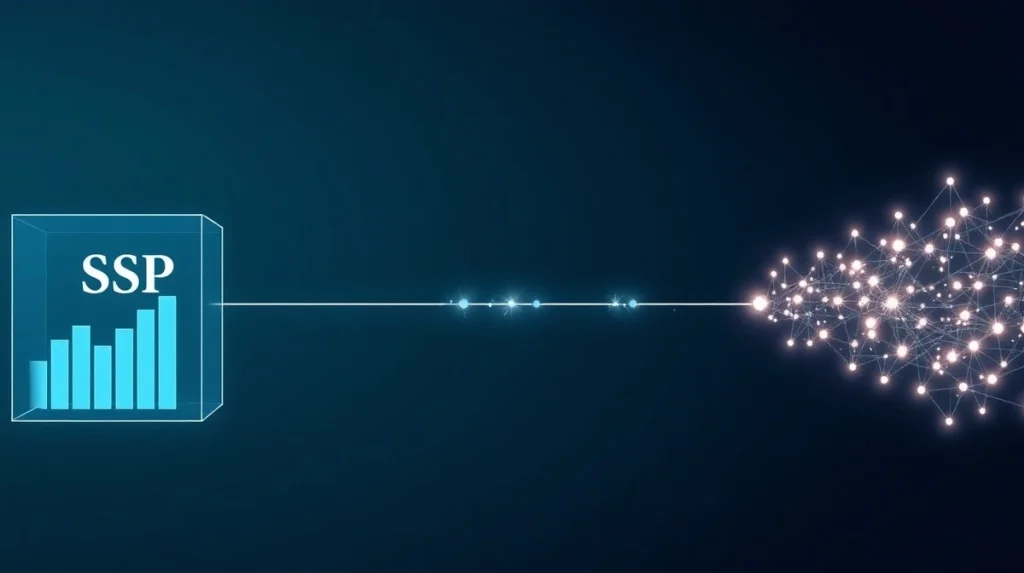
In a significant move to connect traditional finance with decentralized networks, Chainlink has integrated S&P Global Ratings’ Stablecoin Stability Assessments directly onchain. The announcement, made on April 10, 2026, leverages Chainlink’s DataLink service to provide blockchain applications with verified credit risk analysis for major stablecoins. Concurrently, unconfirmed reports from industry channels suggest the development could be linked to a new user reward mechanism for the LINK token.
Chainlink Integrates S&P Stablecoin Ratings via DataLink
Chainlink’s latest integration brings a cornerstone of traditional financial assessment into the blockchain ecosystem. S&P Global Ratings’ Stablecoin Stability Assessments evaluate the credit quality and underlying reserve robustness of fiat-backed digital currencies. According to the official announcement, these assessments are now available onchain through Chainlink DataLink. This service is designed to provide high-quality, verifiable data from premium providers directly to smart contracts and decentralized applications (dApps).
Also read: Bitwise Hyperliquid ETF Filing Reveals BHYP Ticker and Fee, Signals Imminent Launch
The immediate implication is clearer risk visibility. DeFi protocols, institutional investors, and regulatory technology platforms can now programmatically access and utilize S&P’s analysis. This could influence lending rates, collateral requirements, and investment decisions across the sector. Data from DeFiLlama shows the total value locked in DeFi protocols referencing stablecoins exceeded $180 billion in early 2026, underscoring the need for reliable risk data.
The Mechanics and Market Impact of Onchain Ratings
Chainlink DataLink functions as a premium data corridor. It doesn’t just publish a static score. Instead, it delivers the full, structured assessment report—including the rating, the rationale, and the surveillance methodology—in a format smart contracts can consume. This is a technical step up from simple price feeds. Industry watchers note that the value lies in automation. A lending protocol could automatically adjust its loan-to-value ratio for a collateralized debt position based on a downgrade in a stablecoin’s assessment.
Also read: Operation Atlantic: Global Law Enforcement Shatters $45M Crypto Fraud Ring
This move addresses a persistent criticism of the stablecoin market: opacity. “While stablecoins promise parity with the dollar, the quality and auditability of their reserves have varied widely,” said a report from the Bank for International Settlements in late 2025. By putting a recognized third-party assessment onchain, Chainlink and S&P are creating a public, tamper-resistant record of credit opinions. The table below outlines the initial stablecoins likely covered by such assessments based on S&P’s published methodology:
Major Stablecoins with Prior S&P Assessments
- USD Coin (USDC)
- Pax Dollar (USDP)
- Gemini Dollar (GUSD)
Notably, Tether (USDT), the largest stablecoin by market capitalization, has not received a formal rating from S&P Global. This creates a visible data gap that the market itself may begin to price.
Analyzing the Unconfirmed LINK Reward Speculation
Following the announcement, discussion in crypto analytics forums and social channels pointed to potential new utility for Chainlink’s native token, LINK. Unverified reports suggest that users or node operators who help consume or transmit this new S&P data stream could be eligible for rewards paid in LINK. Chainlink has not confirmed these reports.
However, the speculation has a logical foundation. The Chainlink network uses its token to incentivize node operators who provide accurate data. A new, high-value data feed like S&P ratings would require reliable and secure node participation. Expanding the utility of LINK is a constant focus for the ecosystem. If confirmed, a reward mechanism could drive increased demand for the token and greater participation in the network’s data infrastructure. Market data shows LINK’s price saw increased volatility in the 24 hours following the S&P news, though broader market movements were also a factor.
Broader Context: The Push for Institutional Blockchain Adoption
This integration is not an isolated event. It fits into a multi-year trend of traditional financial data giants exploring blockchain distribution. In 2024, Bloomberg began piloting its data feeds on several blockchain oracles. The London Stock Exchange Group has also outlined plans for blockchain-based traditional asset markets. The Chainlink and S&P deal is arguably the most concrete step to date for credit ratings.
The implication is clear. For institutional adoption to proceed, the decentralized world needs access to the same trusted data sources used in TradFi. Chainlink is positioning its oracle network as the essential bridge. This suggests a strategy focused on becoming the default data layer for hybrid finance applications. A successful rollout of S&P data could pave the way for other ratings agencies or financial data providers to follow suit.
Potential Challenges and Regulatory Considerations
While the integration promises greater transparency, it introduces new questions. Smart contract developers must now decide how to weight and act upon this data. An onchain rating is only as useful as the logic that processes it. Furthermore, the legal and regulatory status of using such data onchain remains a developing area. S&P Global’s terms of service for data consumption are complex and traditionally designed for licensed institutions, not permissionless networks.
Chainlink likely structured the DataLink service as a compliant gateway, managing licensing and access controls. But this raises a central tension in decentralized finance: reliance on centralized data providers. The system’s reliability is now partially anchored to S&P’s own operational continuity and judgment calls. This is a trade-off between the purity of decentralization and the practical need for trusted external information.
Conclusion
Chainlink’s integration of S&P Global stablecoin ratings onchain marks a key moment in the convergence of traditional and decentralized finance. By making trusted credit assessments programmatically available, it addresses a key risk management need in the growing stablecoin and DeFi ecosystem. The unconfirmed reports of associated LINK rewards highlight the ongoing evolution of the network’s token economics. The success of this initiative will be measured by its adoption among major protocols and its role in developing more risk-aware, institutional-grade blockchain applications. The bridge between Wall Street and crypto is being built with data, and Chainlink just added a critical support pillar.
FAQs
Q1: What exactly did Chainlink announce?
Chainlink announced that S&P Global Ratings’ Stablecoin Stability Assessments are now available on blockchain networks through its DataLink service. This provides smart contracts with direct access to these credit risk evaluations.
Q2: Which stablecoins are rated by S&P Global?
Based on its published methodology, S&P Global has provided stability assessments for stablecoins including USD Coin (USDC), Pax Dollar (USDP), and Gemini Dollar (GUSD). The largest stablecoin, Tether (USDT), has not been formally rated by S&P.
Q3: What are the unconfirmed reports about LINK token rewards?
Following the announcement, unverified industry reports surfaced suggesting that users or node operators who interact with the new S&P data feed might be eligible for rewards in Chainlink’s native LINK token. This has not been officially confirmed by Chainlink.
Q4: Why is putting this data onchain important?
It allows decentralized financial applications to automatically and transparently incorporate trusted third-party risk assessments. This can improve risk management in lending protocols, derivatives, and other DeFi services that depend heavily on stablecoins.
Q5: Does this make Chainlink a centralized point of failure?
While Chainlink’s oracle network is decentralized, it is sourcing data from a centralized provider (S&P Global). This creates a dependency, but it is a practical compromise to access highly trusted data that the market already relies upon in traditional finance.

This article was produced with AI assistance and reviewed by our editorial team for accuracy and quality.