Blood Glucose Monitor Market Soars: Projected to Hit $25.41 Billion by 2030 Amid Global Diabetes Surge
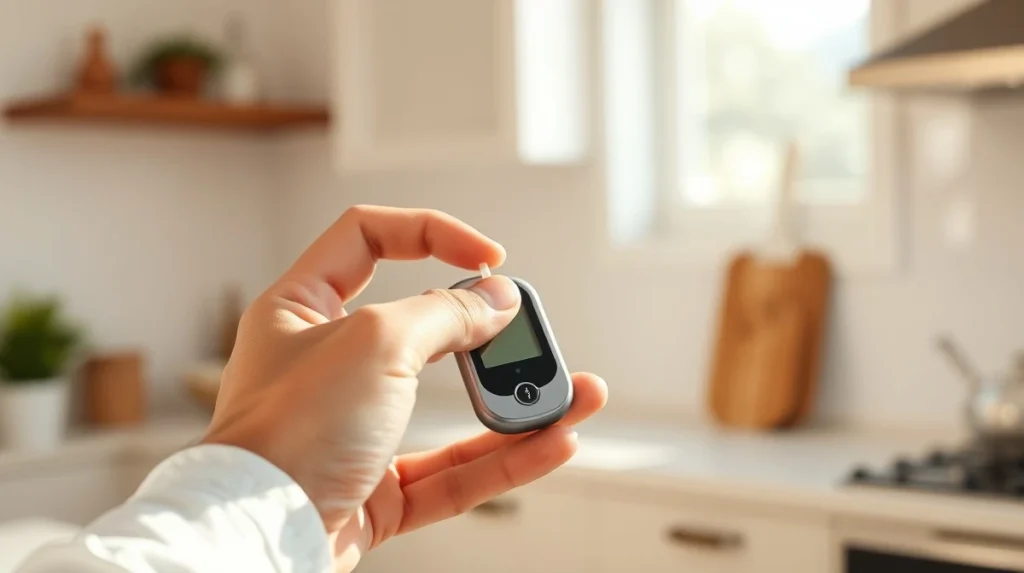
Global demand for blood glucose monitoring systems is accelerating dramatically, with the market projected to reach a staggering USD 25.41 billion by 2030. This growth, confirmed by recent market analysis, is fueled by an escalating global diabetes epidemic and rapid advancements in monitoring technology. As of March 2026, healthcare systems worldwide are prioritizing better chronic disease management tools, placing glucose monitoring in the lead of patient care innovation.
Blood Glucose Monitor Market Drivers and Segmentation
The expansion of the blood glucose monitor market is not accidental. Several powerful factors converge to create this growth trajectory. Primarily, the rising global prevalence of diabetes acts as the fundamental driver. According to the International Diabetes Federation, hundreds of millions of adults live with diabetes today, a number expected to increase. Consequently, the need for effective daily management tools has never been greater.
Also read: M Series ANC Token Presale Launches with Detailed Vesting
Market segmentation reveals distinct growth areas. The market splits clearly by product type, application, test site, and end-user. Self-monitoring blood glucose devices dominate the homecare segment, while professional point-of-care systems remain essential in clinical settings. Applications extend beyond traditional diabetes management into the broader health and wellness monitoring sphere, appealing to fitness-conscious consumers.
- Product Type: Self-Monitoring (SMBG) Systems, Continuous Glucose Monitoring (CGM) Systems, Professional POC Devices.
- Application: Type 1 & Type 2 Diabetes Management, Gestational Diabetes, Health & Wellness Tracking.
- Test Site: Fingertip (traditional), Upper Arm, Abdomen, Thigh (for CGM sensors).
- End User: Homecare/Self-care, Hospitals & Clinics, Diagnostic Centers.
Technological Innovation Reshapes Patient Experience
Technological advancement represents the most transformative force in this market. Modern devices bear little resemblance to their predecessors from a decade ago. Today’s systems emphasize minimal pain, enhanced connectivity, and comprehensive data analytics. Continuous Glucose Monitoring technology, in particular, has revolutionized management for many patients by providing real-time trends without routine fingersticks.
Also read: Pepeto Presale Attracts Investor Interest Amid Meme Coin Rally
Furthermore, integration with smartphones and cloud platforms allows patients and doctors to share data seamlessly. This connectivity supports more personalized treatment plans and timely interventions. Manufacturers are consistently focusing on improving sensor accuracy, extending wearable sensor life, and reducing the overall size of devices to enhance user comfort and compliance.
The Critical Role of Regulatory and Reimbursement Landscapes
Market growth is inextricably linked to regulatory approval and insurance reimbursement policies. In regions like North America and Europe, favorable reimbursement frameworks for CGM systems for specific patient groups have significantly boosted adoption. Regulatory bodies, including the U.S. Food and Drug Administration and the European Medicines Agency, have established clear pathways for approving new, innovative monitoring systems, ensuring safety and efficacy while encouraging development.
However, reimbursement remains a barrier in many developing regions, limiting access to advanced technologies. Market analysts note that expanding insurance coverage is a key challenge and opportunity for future growth. As cost-effectiveness data accumulates, demonstrating how these devices reduce long-term complications and hospitalizations, pressure on payers to broaden coverage is expected to increase.
Regional Market Analysis and Growth Hotspots
Geographically, the market sector shows varied growth patterns. North America currently holds the largest revenue share, attributed to high device adoption, strong healthcare expenditure, and solid presence of leading manufacturers. Europe follows closely, with stringent regulatory standards and growing awareness driving steady expansion.
Nevertheless, the Asia-Pacific region is poised for the highest compound annual growth rate during the forecast period. This projection stems from massive, aging populations in countries like China and India, increasing diabetes prevalence, rising healthcare investment, and growing middle-class affordability. Local manufacturing is also increasing, potentially reducing costs and improving access.
| Region | Key Growth Driver | Primary Challenge |
|---|---|---|
| North America | Advanced technology adoption, favorable reimbursement | Market saturation for basic devices |
| Europe | Strong regulatory framework, aging population | Price pressures from healthcare systems |
| Asia-Pacific | Rising disease prevalence, improving healthcare infrastructure | Reimbursement limitations, price sensitivity |
| Latin America, MEA | Increasing diagnosis rates, government initiatives | Economic volatility, access inequities |
The Competitive Sector and Future Trends
The competitive environment is intense and features a mix of established medical device giants and agile innovators. Major players invest heavily in research and development to launch next-generation products with longer wear times, greater accuracy, and additional health metrics. Simultaneously, competition is driving down prices for traditional meters and test strips, improving accessibility.
Looking ahead, several trends will shape the market’s path to 2030. The convergence of glucose monitoring with other digital health tools, like insulin pumps and lifestyle apps, will create more wide-ranging diabetes management ecosystems. Additionally, non-invasive monitoring technology, though long in development, continues to be a key research frontier that could disrupt the market upon successful commercialization.
Conclusion
The trajectory of the global blood glucose monitor market toward USD 25.41 billion by 2030 reflects a critical response to a pressing public health challenge. Growth is underpinned by undeniable demographic trends, relentless technological progress, and an evolving understanding of chronic disease management. This market’s expansion signifies more than commercial success; it represents a vital advancement in empowering millions of individuals to manage their health proactively. The continued innovation in glucose monitoring technology will remain a cornerstone of effective diabetes care worldwide.
FAQs
Q1: What is the main factor driving the growth of the blood glucose monitor market?
The primary driver is the rising global prevalence of diabetes, which increases the demand for effective daily management tools. Technological advancements that make devices less invasive, more accurate, and connected also significantly contribute to market expansion.
Q2: What is the difference between a Self-Monitoring Blood Glucose device and a Continuous Glucose Monitor?
SMBG devices require a fingerstick blood sample for a single reading at a moment in time. CGM systems use a small sensor inserted under the skin to measure glucose levels in interstitial fluid continuously, providing real-time data and trends on a receiver or smartphone without constant fingersticks.
Q3: Which region is expected to see the fastest market growth?
The Asia-Pacific region is projected to exhibit the highest growth rate, fueled by large populations, increasing diabetes rates, improving healthcare access, and growing economic power enabling higher adoption of medical technologies.
Q4: How do reimbursement policies affect the blood glucose monitor market?
Reimbursement policies from government and private insurers directly affect patient access and adoption. Favorable reimbursement for advanced systems like CGMs in regions like North America and Europe has accelerated their use, while lack of coverage in other regions remains a barrier to access.
Q5: What are the key future trends in glucose monitoring technology?
Future trends include the development of fully integrated diabetes management systems, longer-lasting and more accurate sensors, the pursuit of non-invasive monitoring methods, and greater use of artificial intelligence to analyze glucose data and provide predictive insights and personalized recommendations.

This article was produced with AI assistance and reviewed by our editorial team for accuracy and quality.