Bitcoin Mining Giants Slash Output as Devastating Winter Storm Cripples US Operations
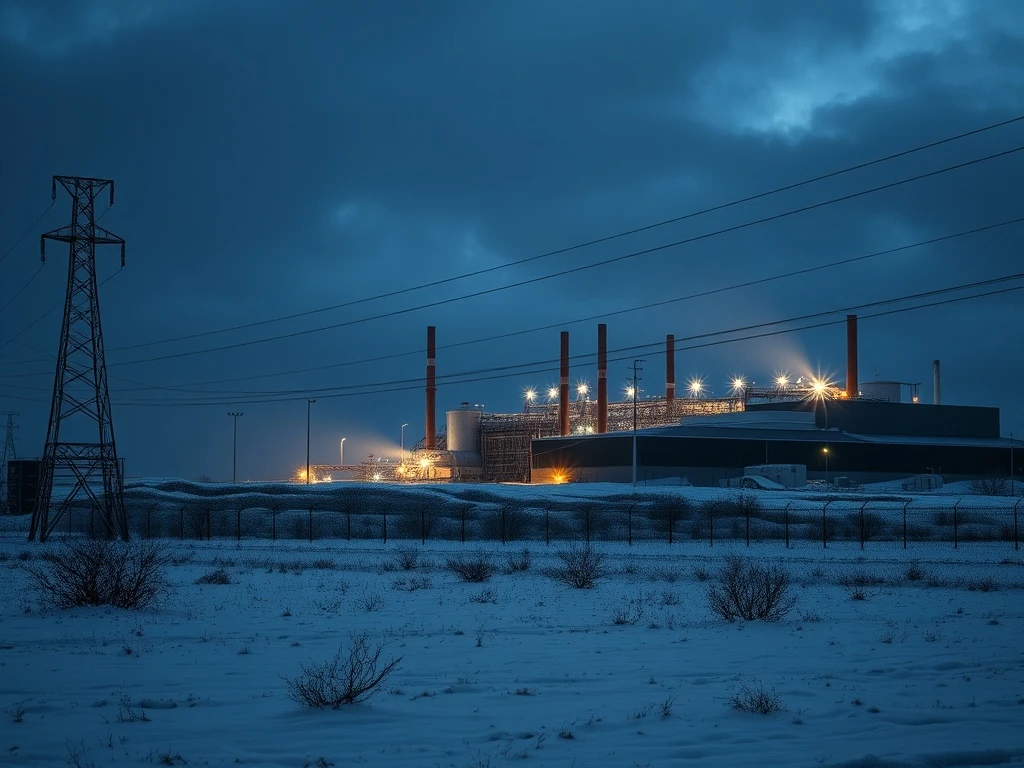
A severe winter storm paralyzed major Bitcoin mining operations across the United States in mid-January 2025, forcing industry giants to slash production by more than 50% as energy grids reached critical capacity. This rare weather event exposed fundamental vulnerabilities in the cryptocurrency mining sector’s infrastructure and highlighted the complex relationship between decentralized networks and centralized energy systems. The temporary collapse in mining activity raised urgent questions about network resilience and the geographic concentration of hashing power.
Bitcoin Mining Operations Face Historic Winter Challenge
Between January 14 and 17, 2025, an extreme cold wave swept across large portions of the United States, creating perfect storm conditions for Bitcoin mining operations. Major publicly traded mining companies, including Core Scientific, Marathon Digital, Riot Platforms, and CleanSpark, implemented emergency protocols to reduce their energy consumption. Consequently, these coordinated actions resulted in a dramatic decrease in daily Bitcoin production from approximately 70-90 BTC to just 30-40 BTC during the peak of the crisis.
Also read: AI Trading Agents: The Revolutionary Path to Mastering Your Crypto Portfolio in 2025
The mining industry’s response followed direct requests from regional grid operators struggling to maintain stability during record-breaking energy demand. Texas, which hosts a significant portion of America’s Bitcoin mining capacity, experienced particularly severe grid stress. Mining facilities in the state implemented both partial and complete shutdowns during consumption peaks, demonstrating an unexpected but necessary collaboration between cryptocurrency operators and traditional energy authorities.
Network Hashrate Plummets During Critical Period
The global Bitcoin network hashrate experienced a sharp, measurable decline as mining operations disconnected from power grids. This network-wide reduction in computational power directly affected block production times and transaction validation speeds. According to blockchain analytics firm CryptoQuant, the hashrate drop represented one of the most significant weather-related disruptions in Bitcoin’s history. The event clearly illustrated how concentrated geographic mining operations create systemic vulnerabilities.
Also read: RunBot AI Trading Bot: Revolutionizing Automated Cryptocurrency Strategies with Machine Learning
Daily mining revenues simultaneously plummeted to approximately $28.3 million on January 14, marking one of the lowest revenue periods in the preceding twelve months. This financial impact created immediate stress for mining operations operating near profitability thresholds. Furthermore, the Bitcoin price remained relatively stagnant during this period, eliminating any potential price appreciation to offset reduced production volumes.
Energy Infrastructure Dependence Creates Systemic Risk
The winter storm incident revealed Bitcoin mining’s deep dependence on reliable, affordable energy infrastructure. Mining operations typically seek regions with competitive electricity rates and favorable regulatory environments. However, this geographic concentration creates single points of failure during extreme weather events. The United States currently controls approximately 40% of the global Bitcoin hashrate, making regional disruptions capable of affecting the entire network.
Energy experts note that Bitcoin mining’s flexible load characteristics actually provide potential grid benefits during normal operations. Mining facilities can rapidly reduce consumption when grids face stress, effectively acting as demand-response assets. Nevertheless, the January storm demonstrated that even this flexibility has limits during truly extreme weather conditions that affect multiple regions simultaneously.
Economic Implications for Mining Profitability Models
The temporary production halt forced mining companies to confront difficult economic realities. Operations with higher fixed costs faced particular financial pressure during the shutdown period. Companies must now factor weather-related operational risks into their long-term business models and investment calculations. Some analysts suggest this event may accelerate geographic diversification of mining operations to mitigate climate-related risks.
The table below illustrates the production impact on major mining companies during the storm period:
| Company | Normal Daily Production | Storm Period Production | Reduction Percentage |
|---|---|---|---|
| Core Scientific | 15-20 BTC | 5-8 BTC | 60-65% |
| Marathon Digital | 12-16 BTC | 4-6 BTC | 62-67% |
| Riot Platforms | 10-14 BTC | 3-5 BTC | 64-71% |
| CleanSpark | 8-12 BTC | 3-4 BTC | 62-67% |
These production cuts occurred despite many companies having invested heavily in weather-proofing their facilities. The fundamental issue remained energy availability rather than operational capability. Mining operations simply could not obtain sufficient power during grid emergency conditions, regardless of their infrastructure readiness.
Long-Term Implications for Mining Geography and Strategy
The winter storm event will likely influence future Bitcoin mining development in several important ways. First, companies may reconsider geographic concentration in regions prone to extreme weather. Second, increased investment in on-site backup power generation could become more common. Third, mining operations may develop more sophisticated energy management systems that anticipate weather-related grid stress.
Industry observers note several potential strategic shifts:
- Geographic diversification to mitigate regional climate risks
- Increased renewable energy integration for greater operational independence
- Enhanced grid collaboration protocols for more predictable demand response
- Revised financial modeling incorporating weather-related downtime
- Infrastructure hardening against increasingly extreme climate events
These adaptations reflect the mining industry’s maturation from opportunistic operations to established infrastructure businesses. As Bitcoin mining becomes more institutionalized, its operators must address the same operational resilience challenges facing traditional data centers and industrial facilities.
Network Security and Decentralization Considerations
The temporary hashrate decline raised questions about Bitcoin’s security model during prolonged regional disruptions. While the network automatically adjusts mining difficulty every 2016 blocks, sudden hashrate drops can temporarily affect confirmation times. The January event demonstrated that while Bitcoin’s protocol remains solid, its physical infrastructure faces the same vulnerabilities as other critical systems.
Some blockchain analysts argue that geographic concentration of mining power contradicts Bitcoin’s original decentralized vision. They suggest that weather-related disruptions highlight the need for more distributed mining operations across diverse climate zones and energy grids. Others counter that market forces naturally optimize mining location based on economic factors, and that occasional disruptions represent acceptable trade-offs for lower operational costs.
Conclusion
The January 2025 winter storm provided a stark demonstration of Bitcoin mining’s vulnerability to extreme weather events and energy grid instability. Major mining operations slashed production by more than 50% to support overtaxed power systems, revealing both the industry’s responsiveness and its infrastructure dependencies. This event will likely accelerate strategic shifts toward geographic diversification, enhanced energy resilience, and more sophisticated risk management. As climate patterns become increasingly unpredictable, the Bitcoin mining industry must adapt its operations to ensure network stability while maintaining constructive relationships with energy providers. The winter storm ultimately served as a stress test that highlighted both strengths and vulnerabilities in cryptocurrency’s physical infrastructure.
FAQs
Q1: How much did Bitcoin mining production decrease during the winter storm?
Major publicly traded miners reduced daily production from 70-90 BTC to approximately 30-40 BTC, representing a reduction of more than 50% during the peak storm period from January 14-17, 2025.
Q2: Which US states were most affected by mining shutdowns?
Texas experienced the most significant impact due to its concentration of mining operations and severe grid stress, but facilities across multiple states implemented production cuts to support regional energy systems.
Q3: Did the Bitcoin network become less secure during the production cuts?
The global hashrate decline temporarily affected block production times, but Bitcoin’s difficulty adjustment mechanism maintains long-term security. The network automatically compensates for hashrate fluctuations over time.
Q4: How did the storm affect mining company revenues?
Daily mining revenues dropped to approximately $28.3 million on January 14, one of the lowest levels in the preceding year, creating financial pressure for operations with high fixed costs.
Q5: Will this event change where companies build mining facilities?
Industry analysts expect increased geographic diversification and greater consideration of climate resilience in site selection, potentially reducing concentration in regions prone to extreme weather events.

This article was produced with AI assistance and reviewed by our editorial team for accuracy and quality.