Bitcoin Mining Heat Revolutionizes Canadian Greenhouse Farming with Sustainable Innovation
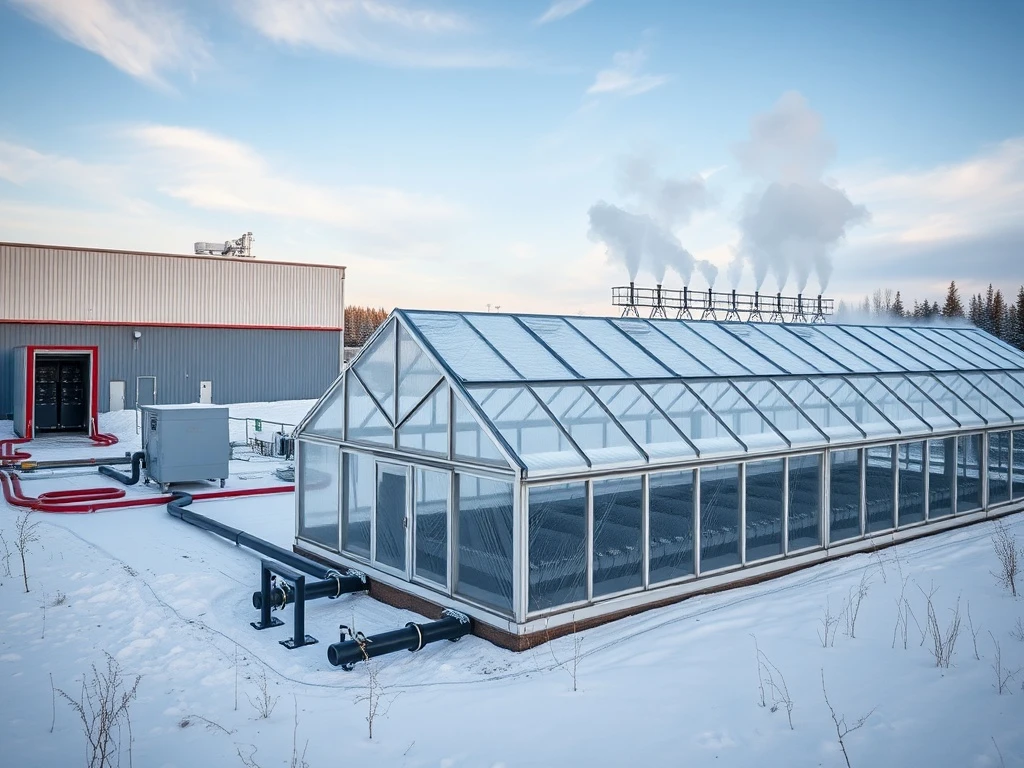
In Manitoba, Canada, a groundbreaking pilot project is transforming Bitcoin mining’s thermal waste into a valuable resource for greenhouse agriculture, potentially revolutionizing both industries through innovative energy reuse. This initiative represents a significant shift in how we approach digital infrastructure’s environmental impact, particularly in cold-climate regions where heating demands create unique opportunities for energy efficiency.
Bitcoin Mining Heat Repurposing for Agricultural Sustainability
The Manitoba pilot project, launched in early 2024, demonstrates a practical application of circular economy principles to cryptocurrency operations. Bitcoin mining traditionally generates substantial thermal energy as a byproduct of computational processes. Historically, this heat was treated as waste requiring expensive cooling systems. However, Canadian innovators recognized an opportunity to convert this liability into an asset for local agriculture.
Greenhouse operations in northern regions face substantial heating challenges during winter months. Maintaining consistent temperatures for crops like tomatoes requires significant energy inputs, typically sourced from fossil fuels. The integration with Bitcoin mining creates a symbiotic relationship where computational heat supplements traditional heating systems. This approach reduces greenhouse gas emissions while potentially lowering operational costs for both industries.
Technical Implementation and Infrastructure Requirements
The Manitoba facility utilizes Canaan’s liquid-cooled Avalon mining servers rather than conventional air-cooled systems. Liquid cooling captures heat at higher temperatures with greater stability, making it suitable for agricultural applications. Approximately 360 mining units operate at 3 megawatts capacity, connected to a closed-loop heat exchange system.
This system transfers captured thermal energy to the greenhouse’s water-based heating infrastructure. The mining heat preheats incoming water before it reaches conventional boilers, reducing the energy required from traditional sources. This setup maintains operational independence while maximizing efficiency gains. The pilot will collect data over 24 months to determine scalability and economic viability.
Engineering Challenges and Solutions
Integrating digital mining with agricultural heating presents several technical considerations. Heat transfer efficiency depends on proximity between facilities, as thermal energy dissipates over distance. The Manitoba project addresses this through direct physical connection between mining and greenhouse operations. Reliability requirements also necessitate backup heating systems to ensure crop protection during potential mining interruptions.
Maintenance protocols must account for both industrial and agricultural needs. Regular monitoring ensures consistent heat output while preventing contamination risks. The liquid cooling systems require specialized maintenance but offer superior heat capture compared to air-based alternatives. These engineering solutions demonstrate how cross-industry collaboration can overcome traditional barriers to waste heat utilization.
Economic and Environmental Impact Analysis
The financial implications of mining heat reuse extend beyond simple energy savings. Greenhouse operators face volatile fossil fuel prices that impact profitability. Supplemental heat from mining operations provides price stability and predictable heating costs. For Bitcoin miners, heat recovery improves overall energy efficiency, potentially making marginal sites economically viable.
| Heating Source | Cost per MMBTU | Carbon Emissions | Reliability |
|---|---|---|---|
| Natural Gas | $12-18 | High | High |
| Electric Resistance | $25-40 | Variable | High |
| Bitcoin Mining Heat | $5-10* | Low** | Medium-High |
*Estimated operational cost after initial investment
**Depends on electricity source for mining operations
Environmental benefits extend beyond direct emission reductions. The model encourages renewable energy adoption for mining operations, as clean electricity sources maximize the sustainability advantage. This creates positive feedback loops where green energy supports both digital and agricultural sectors. The approach aligns with Canada’s climate goals while supporting local food production.
Global Context and Historical Precedents
Waste heat recovery from digital infrastructure isn’t entirely novel. European nations have pioneered similar approaches for decades:
- Scandinavian District Heating: Finland and Sweden integrate data center heat into municipal heating grids
- French Municipal Projects: Several communities heat public swimming pools using server waste heat
- German Industrial Applications: Manufacturing facilities utilize computational heat for industrial processes
However, the Bitcoin mining application presents unique characteristics. Mining operations often locate in regions with abundant renewable energy and cold climates. This geographic alignment creates natural synergies with agricultural heating needs. The modular nature of mining facilities also allows for scalable implementation across various community sizes.
Regulatory and Policy Considerations
Successful implementation requires supportive regulatory frameworks. Canadian provinces offer various incentives for energy innovation and agricultural sustainability. Manitoba’s clean energy policies create favorable conditions for pilot projects. Future expansion depends on standardized regulations for heat exchange systems and cross-industry operations.
Insurance and liability considerations must address unique risk profiles. Traditional agricultural insurance may not cover heating systems dependent on external digital infrastructure. Developing appropriate coverage models represents an ongoing challenge for widespread adoption.
Future Applications and Scalability Potential
The Manitoba pilot’s success could inspire similar initiatives across cold-climate regions. Potential applications extend beyond greenhouse agriculture:
- Residential District Heating: Mining heat could supplement community heating systems
- Industrial Drying Operations: Agricultural processing facilities require consistent heat for product drying
- Aquaculture Support: Fish farming operations in northern regions need temperature-controlled environments
- Snow Melting Systems: Municipal infrastructure could utilize mining heat for sidewalk and road snow removal
Scalability depends on several factors. Initial capital costs for liquid-cooled systems exceed traditional mining setups. However, long-term operational savings may justify these investments. The model works best where consistent heating demand exists year-round, making seasonal applications less economically viable.
Conclusion
The Manitoba Bitcoin mining heat project represents a significant innovation in sustainable technology integration. By converting computational waste into agricultural resources, this approach addresses multiple challenges simultaneously. It improves Bitcoin mining’s energy efficiency while supporting local food production and reducing fossil fuel dependence. The pilot’s success could establish a replicable model for cold-climate regions worldwide, demonstrating how digital and agricultural sectors can collaborate for mutual benefit. As data collection continues through 2025, the project will provide valuable insights into the long-term viability of mining-integrated heating systems.
FAQs
Q1: How does Bitcoin mining generate usable heat?
Bitcoin mining involves specialized computers solving complex mathematical problems to secure the network. This intensive computation generates substantial thermal energy as a byproduct. Liquid-cooled systems capture this heat at temperatures suitable for transfer to heating applications.
Q2: What makes Canadian greenhouses suitable for this technology?
Canadian greenhouses require consistent heating throughout long winters, creating steady demand for thermal energy. Their existing water-based heating systems can integrate with mining heat exchange infrastructure. The cold climate also improves heat transfer efficiency.
Q3: How much can greenhouse operators save using mining heat?
Exact savings depend on local energy prices and system efficiency. Preliminary estimates suggest 30-50% reductions in conventional heating costs during peak winter months. The mining heat primarily supplements rather than replaces existing systems.
Q4: Does this make Bitcoin mining environmentally friendly?
Heat reuse improves energy efficiency but doesn’t address electricity source concerns. The environmental benefit maximizes when mining uses renewable energy. The approach represents incremental improvement rather than complete solution to mining’s energy footprint.
Q5: Can this model work in warmer climates?
The economic viability decreases in regions with shorter heating seasons. However, alternative applications like industrial drying or water heating might prove feasible. The technology works best where consistent thermal demand exists year-round.
Q6: What happens to greenhouse heating if mining operations stop?
All integrated systems maintain backup conventional heating for reliability. Mining heat supplements rather than replaces primary systems. This ensures crop protection regardless of mining operational status.
This article was produced with AI assistance and reviewed by our editorial team for accuracy and quality.