Automotive Aramid Fiber Market Surges as Vehicle Lightweighting and Safety Demands Intensify
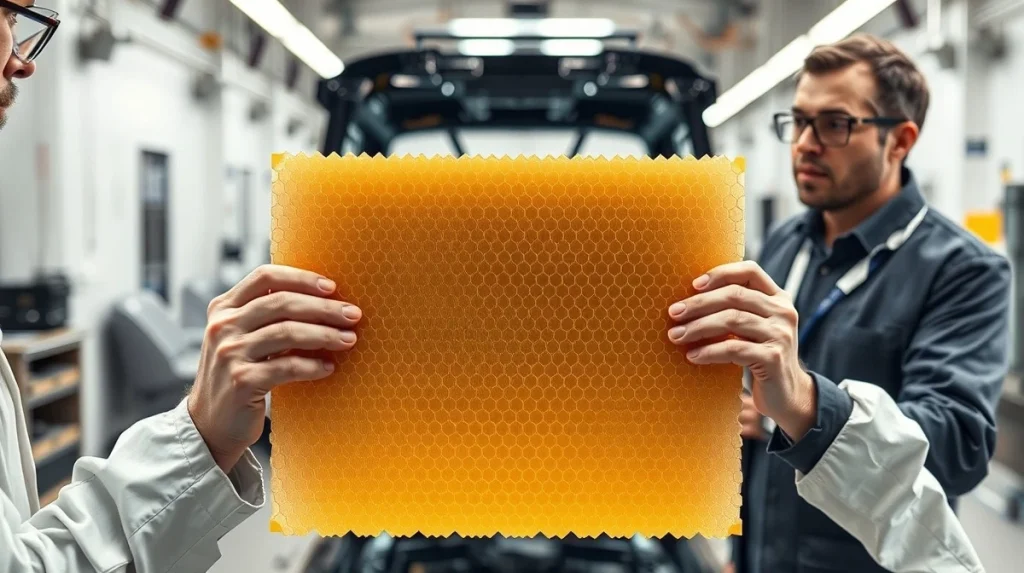
The global automotive aramid fiber market is experiencing significant transformation as manufacturers increasingly adopt these high-performance materials to meet stringent safety regulations and ambitious fuel efficiency targets. According to recent market analysis, this specialized segment of the automotive composites industry continues to demonstrate sturdy growth, driven primarily by the automotive industry’s dual pursuit of enhanced passenger protection and reduced vehicle weight. Aramid fibers, known for their exceptional strength-to-weight ratio and heat resistance, have become critical components in modern vehicle design, particularly in electric vehicle platforms where every kilogram saved translates directly into extended range.
Automotive Aramid Fiber Market Drivers and Current Sector
Several converging factors propel the automotive aramid fiber market forward. First, global emissions regulations continue to tighten, with major markets implementing progressively stricter standards. Consequently, automakers face mounting pressure to reduce vehicle mass. Aramid fibers offer a compelling solution, providing strength comparable to steel at approximately one-fifth the weight. Second, evolving safety standards, particularly regarding side-impact protection and battery compartment shielding in electric vehicles, create new application opportunities. Third, the rapid electrification of vehicle fleets worldwide demands materials that can withstand high temperatures while minimizing weight. Market data indicates consistent year-over-year growth in aramid fiber adoption across all vehicle segments, with premium and electric vehicles leading the adoption curve.
Also read: M Series ANC Token Presale Launches with Detailed Vesting
The market structure features a mix of established chemical conglomerates and specialized material science firms. These companies supply aramid fibers primarily in two forms: para-aramid (known commercially as Kevlar® and Twaron®) and meta-aramid (Nomex®). Para-aramid fibers dominate automotive applications due to their superior tensile strength. These materials integrate into vehicles through various composite forms, including woven fabrics, non-woven felts, and as reinforcement in thermoplastic compounds. The supply chain remains concentrated, with high barriers to entry due to complex manufacturing processes and significant capital investment requirements.
Key Applications Transforming Vehicle Design
Aramid fibers serve multiple critical functions in contemporary automobiles. Their primary application remains in reinforcement for tires, particularly in high-performance and run-flat tire designs. The fibers replace traditional steel belts, reducing unsprung weight and improving ride quality. Another growing application is in brake and clutch linings, where aramid’s heat resistance extends component life and maintains performance under demanding conditions. Perhaps most visibly, aramid composites now feature in structural and safety components.
Also read: Pepeto Presale Attracts Investor Interest Amid Meme Coin Rally
- Body-in-White Components: Door panels, bumper beams, and underbody shields increasingly incorporate aramid composites to absorb impact energy.
- Battery Protection Systems: Electric vehicle battery casings and protection plates use aramid layers for puncture resistance and thermal management.
- Interior Safety: Seat back reinforcements and headliner substrates utilize aramid to meet whiplash and overhead crush standards.
- Alternative Drivetrain Components: Hydrogen storage tanks in fuel cell vehicles employ aramid winding for high-pressure containment.
Material Innovation and Cost-Performance Balance
Despite their advantages, aramid fibers historically faced challenges regarding cost and processing complexity. Material suppliers and automakers have made substantial progress in addressing these hurdles. Hybrid composites that blend aramid with carbon or glass fibers now offer optimized cost-performance profiles. Furthermore, advancements in adhesive technologies and molding processes have improved manufacturability. Industry collaboration between fiber producers, tier-one suppliers, and OEMs has been key in developing application-specific solutions that meet both performance targets and production volume requirements. The focus has shifted from simply replacing metals to designing components that utilize aramid’s unique properties from the ground up.
Regional Market Dynamics and Competitive Analysis
Market adoption patterns show distinct regional characteristics. The Asia-Pacific region, led by China, Japan, and South Korea, represents the largest and fastest-growing market. This dominance stems from its massive automotive production base and aggressive push toward electric mobility. Europe follows closely, driven by the European Union’s rigorous CO₂ emission targets and safety protocols. North America maintains strong demand, particularly in the light truck and performance vehicle segments. Regional regulatory frameworks significantly influence material selection, creating varied adoption rates for specific applications.
The competitive field remains concentrated among a few global players with deep expertise in polymer science. Competition centers not only on fiber quality and price but increasingly on providing integrated solutions, technical support, and co-development partnerships with automakers. Recent competitive strategies include vertical integration, development of recycled aramid content, and creation of tailored fiber forms for automated manufacturing processes like tape laying and compression molding. The table below outlines primary application areas and their growth drivers:
| Application Area | Primary Function | Key Growth Driver |
|---|---|---|
| Tire Reinforcement | Replace steel belts, reduce weight | Demand for fuel efficiency and run-flat tires |
| Brake/Clutch Linings | Friction material reinforcement | Longer service life, performance stability |
| Structural Composites | Impact absorption, stiffness | Lightweighting for EV range, safety standards |
| Battery Protection | Puncture resistance, thermal barrier | Global shift to electric vehicles |
| Interior Components | Passenger safety, weight reduction | Occupant protection regulations |
Challenges and Future Development Pathways
The automotive aramid fiber market confronts several ongoing challenges. Raw material cost volatility, particularly for precursor chemicals, impacts price stability. Furthermore, competition from other advanced fibers like carbon fiber and ultra-high-molecular-weight polyethylene continues to intensify. Recycling infrastructure for aramid composites remains underdeveloped, posing a lifecycle management concern as adoption grows. However, research initiatives focused on chemical recycling and fiber recovery show promising early results. Another challenge involves standardizing testing and certification methods for aramid composites across different global markets, which can slow adoption.
Future growth will likely hinge on several key developments. First, the successful scaling of bio-based or recycled-content aramid fibers could improve sustainability profiles and mitigate cost pressures. Second, further integration of digital tools like material informatics and simulation software will enable more precise and efficient use of aramid in component design. Third, the expansion of aramid applications beyond premium vehicles into high-volume mainstream segments depends on achieving further cost reductions through manufacturing innovations and economies of scale. Industry observers note that collaboration across the value chain—from fiber producers to OEMs—will be essential to overcome these hurdles and unlock the material’s full potential.
Conclusion
The automotive aramid fiber market occupies a vital niche at the intersection of vehicle safety, efficiency, and performance. As the automotive industry undergoes its most significant transformation in a century, materials like aramid fiber provide essential solutions to complex engineering challenges. While cost and processing barriers persist, continuous innovation and strategic industry partnerships are steadily expanding viable applications. The market’s trajectory remains firmly upward, supported by irreversible trends toward vehicle lightweighting, electrification, and enhanced occupant protection. For automakers, material suppliers, and investors, understanding the dynamics of the automotive aramid fiber market is key for handling the future of transportation manufacturing.
FAQs
Q1: What are the main properties of aramid fiber that benefit automotive applications?
Aramid fibers offer an exceptional strength-to-weight ratio, high thermal stability, and excellent resistance to impact and abrasion. These properties make them ideal for reducing vehicle mass while maintaining or improving safety performance.
Q2: Which automotive components most commonly use aramid fiber today?
Current primary applications include tire reinforcement (replacing steel belts), brake and clutch linings, structural body components like door panels and bumper beams, battery protection systems in electric vehicles, and various interior safety components.
Q3: How does the cost of aramid fiber compare to traditional materials like steel or aluminum?
On a per-kilogram basis, aramid fiber is significantly more expensive than conventional metals. However, when evaluated on a performance-equivalent basis—considering weight savings, part integration, and secondary benefits like improved fuel economy—the total system cost can be competitive, especially in premium and electric vehicle segments.
Q4: What is the biggest challenge facing wider adoption of aramid fiber in automobiles?
The primary challenge remains the high material cost coupled with specialized processing requirements. The industry addresses this through hybrid composites, design optimization, and manufacturing innovations to improve cost-effectiveness for high-volume applications.
Q5: How is the electric vehicle revolution affecting the aramid fiber market?
The shift to electric vehicles is a major growth driver. EV designs prioritize weight reduction to extend battery range, and they require specific safety materials for battery protection. Aramid fibers serve both needs, leading to increased adoption in battery enclosures, lightweight structural components, and high-temperature applications within EV powertrains.

This article was produced with AI assistance and reviewed by our editorial team for accuracy and quality.