Australia Electric Vehicle Market Surges Toward $20.83 Billion by 2031 Fueled by Sturdy Policy and Infrastructure
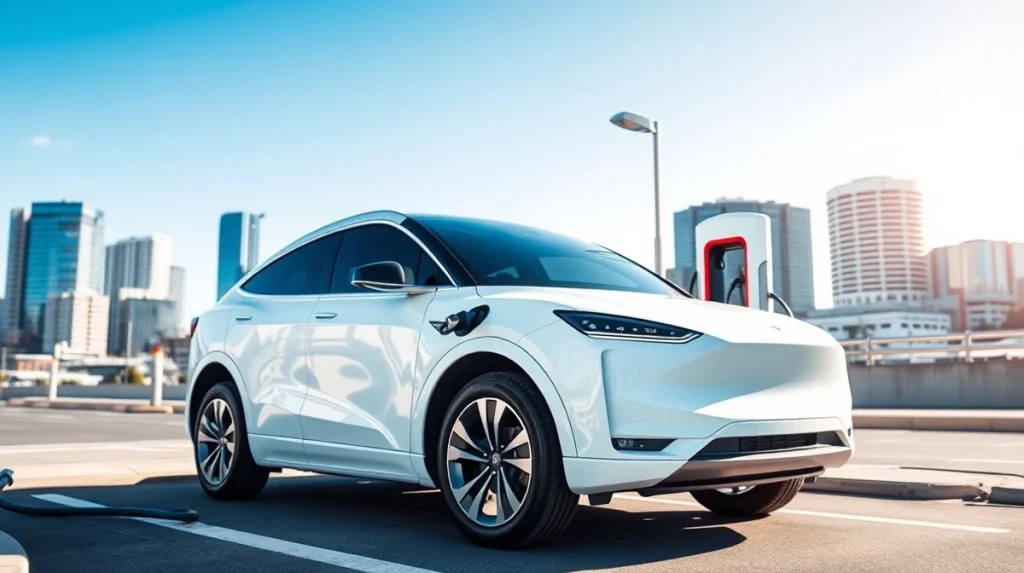
Sydney, Australia – March 18, 2026: The Australian electric vehicle (EV) market is accelerating toward a significant valuation of USD 20.83 billion by 2031, according to a recent market analysis. This remarkable growth trajectory is primarily fueled by concerted government policy support, a rapid expansion of public charging infrastructure, and increasingly competitive pricing from manufacturers. Consequently, the nation’s automotive arena is undergoing a profound and permanent shift toward electrification.
Australia’s Electric Vehicle Market Projections and Core Drivers
Market research firm Mordor Intelligence has provided a comprehensive forecast for the sector. The analysis identifies a compound annual growth rate (CAGR) that underscores a sustained expansion over the coming years. Fundamentally, three interconnected pillars are propelling this growth: policy, infrastructure, and economics. Government initiatives at both federal and state levels have created a more favorable environment for EV adoption. Simultaneously, private and public investments are solving the critical challenge of range anxiety through new charging stations. Meanwhile, falling battery costs and increased model availability are making electric cars a financially viable option for more Australian consumers.
Also read: M Series ANC Token Presale Launches with Detailed Vesting
Transitioning from early adopter phase to mainstream acceptance requires addressing key consumer concerns. The market report highlights that upfront cost parity with internal combustion engine vehicles remains a significant milestone. However, the total cost of ownership, including lower maintenance and fuel expenses, already favors EVs for many use cases. Furthermore, the diversity of available models—from compact city cars to family SUVs and utility vehicles—is expanding rapidly, catering to a broader segment of the driving public.
Government Policy as a Critical Growth Catalyst
Australian government policies have evolved significantly to encourage EV uptake. Key measures include:
Also read: Pepeto Presale Attracts Investor Interest Amid Meme Coin Rally
- Financial Incentives: Several states offer stamp duty exemptions, registration discounts, and rebates for new EV purchases.
- Fleet Targets: The federal government’s commitment to a significant percentage of new fleet purchases being low-emissions vehicles creates a steady demand signal.
- National EV Strategy: This overarching framework aims to improve affordability, increase charging availability, and reduce emissions in the transport sector.
These policies directly lower the barrier to entry for consumers and businesses. Moreover, they provide long-term certainty for investors in charging infrastructure and related services. The policy arena, while varying by jurisdiction, collectively points toward a coordinated national effort to decarbonize transport.
Infrastructure Expansion Easing Range Anxiety
The expansion of charging infrastructure is arguably the most visible driver of market confidence. Investment is flowing into multiple charging tiers:
| Charger Type | Typical Use Case | Development Focus |
|---|---|---|
| Ultra-fast (150kW+) | Highway corridors, long-distance travel | Strategic network linking major cities |
| Fast (50-150kW) | Public hubs, shopping centers, fleet depots | Urban and suburban coverage |
| Destination/AC (7-22kW) | Workplaces, hotels, residential complexes | Widespread installation for daily charging |
This multi-layered approach ensures that EV drivers can charge conveniently whether at home, at work, or on a road trip. Consequently, the historical concern of “range anxiety” is diminishing as the network density increases. Major projects, such as the national highway charging network, are receiving significant funding to fill geographical gaps.
Competitive Dynamics and Pricing Trends
The competitive arena of the Australian EV market is intensifying. Initially dominated by a few premium brands, the market now features intense competition from traditional automakers and new entrants, particularly from China. This competition is driving down prices and increasing feature sets. Brands like BYD, MG, and Tesla are engaged in a competitive pricing strategy that makes EVs accessible to a wider audience. Additionally, the growing second-hand EV market is providing another entry point for cost-conscious consumers, further stimulating overall market growth.
Battery technology improvements are a central factor in this trend. Energy density continues to increase while costs per kilowatt-hour decline. These advancements translate directly to longer ranges and lower manufacturing costs for new vehicles. Automakers are passing some of these savings to consumers to gain market share in this high-growth sector.
Challenges and Considerations for Sustained Growth
Despite the optimistic outlook, the market faces persistent challenges. Grid capacity and stability must keep pace with the increased electricity demand from widespread EV charging. Furthermore, the sourcing of critical battery minerals and the development of end-of-life battery recycling pathways require national strategies. Supply chain resilience also remains a consideration for automakers. Addressing these challenges proactively is essential for the long-term, sustainable growth of the EV ecosystem in Australia.
Conclusion
The Australian electric vehicle market is on a clear path to substantial growth, with a projected value of USD 20.83 billion by 2031. This expansion is not speculative but is grounded in tangible drivers: proactive government policy, rapidly deployed charging infrastructure, and genuine price competition among manufacturers. The convergence of these factors is transforming consumer choice and aligning the transportation sector with broader environmental goals. The continued focus on overcoming infrastructure and supply chain hurdles will determine the pace at which this projected market size becomes a reality.
FAQs
Q1: What is the current size of the Australian electric vehicle market?
While specific 2026 figures vary, the market is in a high-growth phase, building from a base of increasing annual sales volumes and is projected to grow steadily toward the USD 20.83 billion valuation by 2031.
Q2: What are the main government incentives for buying an EV in Australia?
Incentives differ by state but commonly include rebates on the purchase price, exemptions or discounts on stamp duty and vehicle registration fees, and investments in public charging infrastructure.
Q3: How is charging infrastructure being expanded?
Investment is focused on a three-tier network: ultra-fast chargers for highways, fast chargers for urban hubs, and destination chargers for workplaces and homes. Both government grants and private investment are funding this rollout.
Q4: Are electric vehicles becoming more affordable in Australia?
Yes, increased competition, especially from new market entrants, and falling battery costs are putting downward pressure on prices, making more models competitive with traditional petrol and diesel cars.
Q5: What are the biggest challenges facing EV adoption in Australia?
Key challenges include ensuring the electricity grid can manage increased demand, developing a comprehensive national charging network in remote areas, and establishing efficient recycling systems for EV batteries.

This article was produced with AI assistance and reviewed by our editorial team for accuracy and quality.