Altseason Cycle Reveals Critical 120-Day Pattern Signaling Major Market Transformation
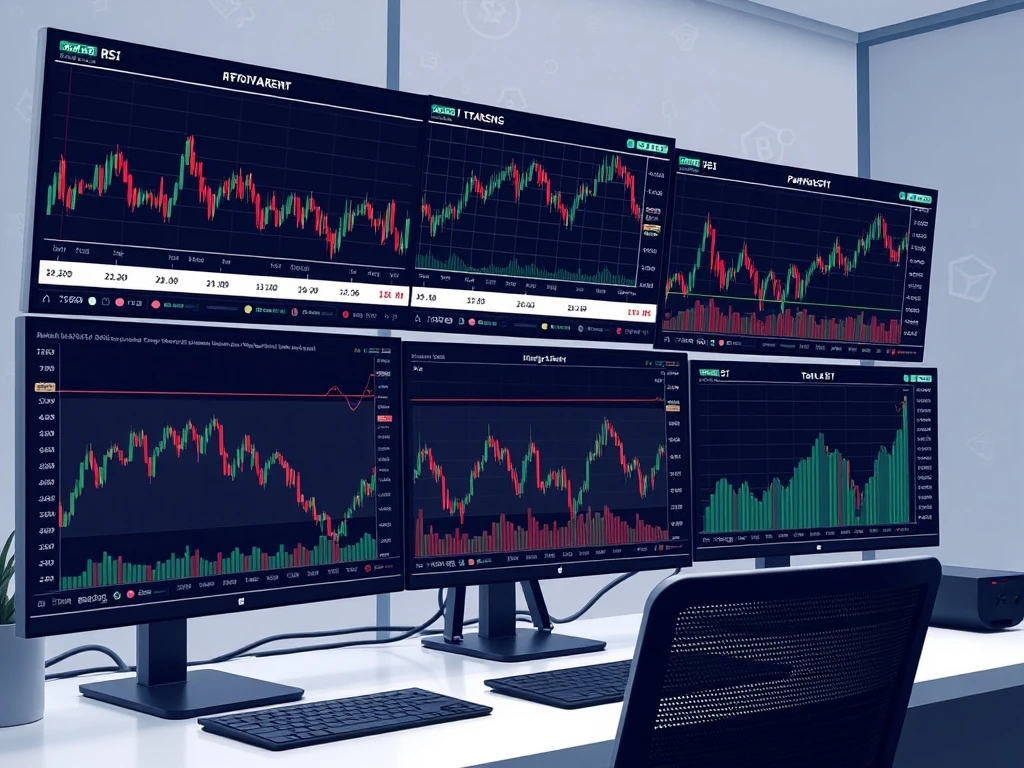
Market analysts worldwide are examining a compelling 120-day cycle pattern that has consistently shaped altcoin market movements since early 2024, with current data showing the Total3 index returning to vital support levels as Relative Strength Index readings approach historic range lows. This emerging pattern suggests significant market developments may be approaching, according to technical analysts tracking cryptocurrency market cycles.
Altseason Cycle Analysis Reveals Consistent 120-Day Pattern
Cryptocurrency market data from multiple sources demonstrates a recurring 120-day cycle that has influenced altcoin price action throughout 2024 and into 2025. The Total3 index, which tracks all cryptocurrencies excluding Bitcoin and Ethereum, shows distinct phases of expansion and contraction following this approximately four-month rhythm. Market participants have observed this pattern across multiple market cycles, with each phase exhibiting similar characteristics in terms of duration and magnitude.
Also read: Bittensor TAO Sell Signal: TD Sequential Flashes Warning After Stunning 160% Surge
Technical analysts note that the current cycle places the Total3 index at critical support levels previously tested during earlier cycle lows. Furthermore, the Relative Strength Index for major altcoin pairs currently hovers near oversold territory, historically indicating potential reversal points. This combination of factors has drawn increased attention from institutional and retail investors monitoring cryptocurrency market trends for directional signals.
Historical Context of Cryptocurrency Market Cycles
Market cycle analysis in cryptocurrency markets has evolved significantly since Bitcoin’s inception in 2009. Early cycles exhibited irregular patterns, but as markets matured, more consistent rhythms emerged. The current 120-day cycle represents one of the clearest patterns observed in recent market history. Historical data shows similar cyclical behavior in traditional financial markets, though cryptocurrency cycles typically demonstrate greater volatility and shorter durations.
Also read: XRP Whale's $35 Million Gamble Exposes Deep Market Rift
Several factors contribute to these cyclical patterns in cryptocurrency markets. These include institutional investment flows, regulatory developments, technological advancements, and broader macroeconomic conditions. The interaction between these elements creates the rhythmic market movements that technical analysts study for predictive insights. Understanding these cycles provides valuable context for current market conditions and potential future developments.
Expert Analysis of Current Market Conditions
Leading cryptocurrency analysts emphasize the importance of the current market position within the established 120-day cycle. According to market research from established financial institutions, the convergence of technical indicators at cycle lows often precedes significant market movements. The Total3 index’s return to key support levels, combined with oversold RSI readings, creates conditions that historically correlate with market inflection points.
Market participants should consider multiple factors when evaluating these cyclical patterns. These include trading volume trends, market sentiment indicators, and fundamental developments within specific blockchain ecosystems. The interaction between technical patterns and fundamental developments creates the complex market dynamics that characterize cryptocurrency investing. Careful analysis of these elements provides the most comprehensive understanding of potential market directions.
Technical Indicators and Market Psychology
Technical analysis tools provide valuable insights into market psychology and potential price movements. The Relative Strength Index serves as a momentum oscillator that measures the speed and change of price movements. When RSI readings approach extreme levels, they often indicate potential reversal points. Current readings across major altcoin pairs suggest markets may be approaching such conditions within the established 120-day cycle framework.
Several key technical levels warrant attention in the current market environment:
- Total3 index support zones – Historical price levels where buying interest has previously emerged
- Volume profile analysis – Trading activity patterns at different price levels
- Moving average convergence – Relationship between short-term and long-term trend indicators
- Market structure analysis – Identification of higher highs, higher lows, and trend patterns
These technical elements combine with fundamental factors to create the complete market picture that informed investors consider when making decisions. The integration of multiple analytical approaches provides the most strong framework for understanding complex cryptocurrency markets.
Comparative Analysis with Previous Cycles
Current market conditions show interesting parallels with previous cycle phases while maintaining unique characteristics. The table below illustrates key comparisons between the current cycle and historical patterns:
| Cycle Phase | Duration | Total3 Movement | RSI Range | Market Sentiment |
|---|---|---|---|---|
| Q1 2024 | 118 days | -42% | 28-32 | Bearish |
| Q2 2024 | 122 days | +68% | 65-72 | Bullish |
| Current Phase | 119 days | -38% | 30-34 | Neutral/Bearish |
This comparative analysis reveals consistent patterns in cycle duration and technical indicator behavior. The similarity between current conditions and previous cycle lows provides valuable context for market participants evaluating potential scenarios. Historical precedent suggests that periods following similar technical setups often experience significant market movements, though past performance never guarantees future results.
Market Impact and Future Considerations
The potential implications of the current 120-day cycle position extend across multiple market dimensions. Institutional investors monitor these patterns for portfolio allocation decisions, while retail participants watch for trading opportunities. Regulatory developments, technological innovations, and macroeconomic factors will interact with these technical patterns to shape future market directions.
Market participants should maintain awareness of several key considerations:
- Cycle completion timing and potential extension patterns
- Fundamental developments within major blockchain ecosystems
- Regulatory clarity in major cryptocurrency markets
- Institutional adoption trends and investment flows
- Technological advancements and network upgrades
These factors combine with technical patterns to create the complex market environment that characterizes cryptocurrency investing. Successful navigation requires careful analysis of both technical and fundamental elements within appropriate risk management frameworks.
Conclusion
The emerging 120-day altseason cycle pattern presents a compelling framework for understanding current cryptocurrency market conditions. With the Total3 index returning to key support levels and RSI readings approaching historic lows, market participants face potentially significant developments. This altseason cycle analysis provides valuable insights, though investors should remember that markets involve inherent uncertainties and risks. Careful consideration of both technical patterns and fundamental developments offers the most comprehensive approach to cryptocurrency market participation.
FAQs
Q1: What is the Total3 index in cryptocurrency markets?
The Total3 index tracks the market capitalization of all cryptocurrencies excluding Bitcoin and Ethereum, providing a focused view of altcoin market performance and trends.
Q2: How reliable are 120-day cycles in predicting cryptocurrency markets?
While historical patterns show consistency, market cycles provide context rather than guarantees. Multiple factors influence cryptocurrency prices, making comprehensive analysis essential for informed decisions.
Q3: What does RSI indicate in cryptocurrency technical analysis?
The Relative Strength Index measures momentum and identifies potential overbought or oversold conditions. Extreme readings often precede market reversals, though confirmation from other indicators strengthens analysis.
Q4: How do cryptocurrency market cycles differ from traditional financial cycles?
Cryptocurrency cycles typically exhibit greater volatility and shorter durations than traditional market cycles, though they share similar psychological and technical pattern characteristics.
Q5: What factors could disrupt the current 120-day cycle pattern?
Major regulatory developments, significant technological breakthroughs, unexpected macroeconomic events, or substantial changes in institutional participation could all influence cycle patterns and durations.

This article was produced with AI assistance and reviewed by our editorial team for accuracy and quality.