Alchemy Pay Secures Vital Nebraska Money Transmitter License, Accelerating U.S. Crypto Payment Expansion
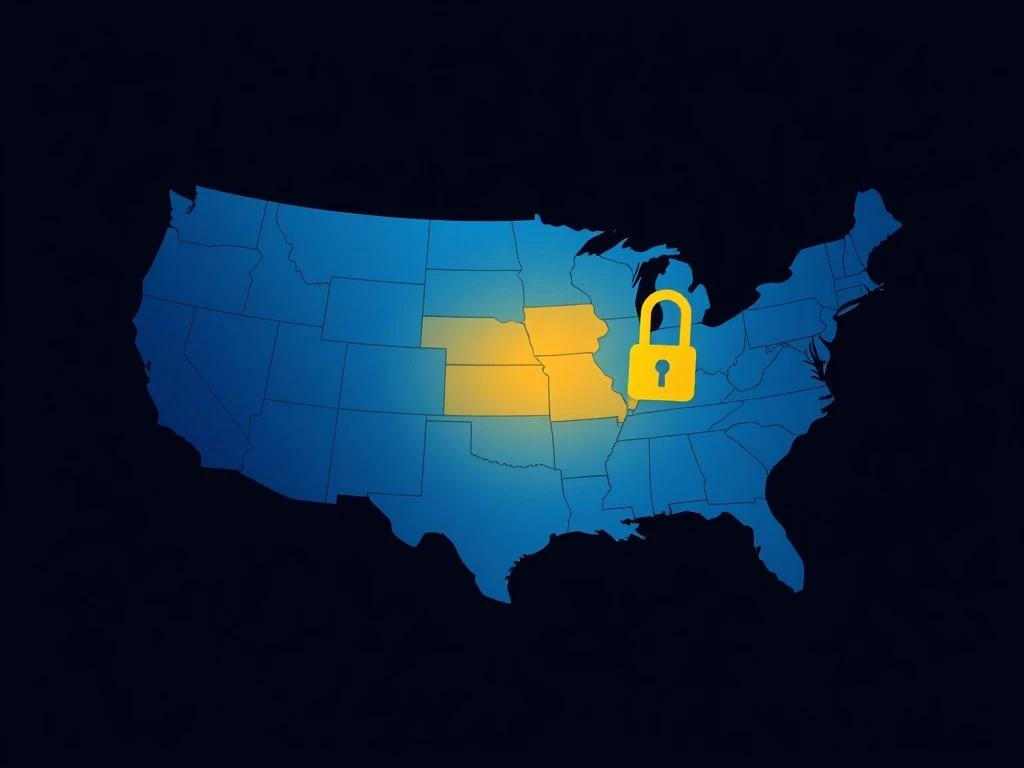
In a significant move for cryptocurrency payment infrastructure, Alchemy Pay (ACH) has secured a Money Transmitter License (MTL) from the state of Nebraska, announced on March 21, 2025. This important regulatory milestone marks the 14th U.S. jurisdiction to formally authorize the fintech firm’s operations, substantially broadening its legal capacity to enable smooth crypto-to-fiat transactions for American consumers and businesses. Consequently, this development underscores a maturing regulatory space for digital asset services within the United States.
Alchemy Pay’s Strategic Nebraska License Explained
Alchemy Pay’s newly acquired Nebraska Money Transmitter License grants the company explicit legal permission to operate its core payment services within the state. Fundamentally, a money transmitter license is a mandatory regulatory requirement for any entity engaged in the transfer of monetary value. For a crypto payment gateway like Alchemy Pay, this specifically covers converting cryptocurrency into traditional fiat currency and transmitting those funds. Nebraska’s Department of Banking and Finance, which oversees MTL issuance, enforces strict standards for consumer protection, anti-money laundering (AML) protocols, and cybersecurity. Therefore, obtaining this license is not merely administrative; it represents a rigorous vetting process and a commitment to operational integrity.
Also read: Bitcoin Capital Rotation Triggers Critical Signal, Points to $41,400 Price Floor
The company’s service model hinges on providing on-ramps and off-ramps between the crypto and traditional financial worlds. For instance, a merchant in Omaha can now legally accept payment in Bitcoin via Alchemy Pay’s infrastructure and receive U.S. dollars in their bank account. Similarly, a user can purchase cryptocurrency using a debit card. This license legally enshrines those activities in Nebraska. Moreover, this approval aligns with a broader national trend where state-level regulators are increasingly defining the rules for digital asset enterprises, creating a complex but navigable patchwork of compliance requirements.
The Growing Importance of State-by-State Compliance
Unlike some nations with federal-level cryptocurrency regulations, the United States delegates money transmission oversight primarily to individual states. This creates a fragmented environment where companies must pursue licenses on a state-by-state basis. Alchemy Pay’s expansion to 14 states demonstrates a sustained and resource-intensive compliance strategy. Key states where it already holds licenses include New York (via a BitLicense), California, and Florida—major economic hubs. Each new license, like Nebraska’s, incrementally increases its total addressable market and strengthens its value proposition to partners seeking nationwide or multi-regional coverage. Industry analysts often track the number of state licenses as a key metric for a payment provider’s scalability and legitimacy in the U.S. market.
Deepening U.S. Market Penetration and Competitive Context
Alchemy Pay’s latest regulatory achievement directly accelerates its penetration into the U.S. payments market. With a license in Nebraska, the company can now legally serve the state’s population of nearly two million people and its business ecosystem. Furthermore, this growth is part of a deliberate strategy to build a contiguous and comprehensive service map. For comparison, major competitors and traditional payment processors also address this multi-license environment. The pace of Alchemy Pay’s expansion, now covering 14 states, positions it as one of the more aggressively compliant crypto-native payment networks.
The competitive space for crypto payments is intensifying. Therefore, regulatory licensure serves as a significant moat and a trust signal. Partners, including e-commerce platforms, SaaS businesses, and financial institutions, prioritize working with fully licensed entities to mitigate their own regulatory risk. Alchemy Pay’s growing license portfolio makes it a more attractive partner for large enterprises requiring compliant solutions across multiple states. This compliance-first approach contrasts with earlier industry phases where regulatory ambiguity was more common. Today, demonstrated compliance is a core business asset.
Alchemy Pay’s Reported U.S. State Licenses (Select Jurisdictions):
- New York (BitLicense)
- California
- Florida
- Texas
- Illinois
- Georgia
- New Jersey
- Nebraska (New)
Expert Insight on Regulatory Strategy
Financial technology compliance experts note that the process for each state license is demanding. “Securing a Money Transmitter License involves detailed audits of financial reserves, resilient AML and KYC (Know Your Customer) systems, and thorough background checks on principals,” explains a former state financial regulator consulted for background. “Each approval like Nebraska’s is a testament to the company’s operational maturity and financial stability. For crypto companies, it’s a clear transition from a tech-startup phase to a regulated financial services phase.” This perspective highlights that such licenses are not easily acquired; they require substantial investment in legal, compliance, and technological infrastructure.
The Broader Impact on Crypto Adoption and Merchant Services
The practical impact of this licensing extends beyond Alchemy Pay itself. It directly benefits merchants and consumers in Nebraska by providing more choices for integrating digital assets into everyday commerce. A local business can now tap into a global customer base that prefers paying with crypto without assuming volatility risk or technical complexity. Additionally, it fosters financial inclusion for users who primarily hold digital assets, allowing them to spend them more freely. From a macro perspective, every new state license contributes to normalizing cryptocurrency as a legitimate payment method within the existing financial regulatory framework.
This normalization is significant for mass adoption. Regulatory clarity reduces uncertainty for all market participants. When a state like Nebraska grants a license, it sends a signal to other businesses in the region that engaging with crypto payment providers is a viable and sanctioned commercial activity. This can create a network effect, encouraging more merchants to adopt such solutions and more consumers to use them. The expansion also likely involves integration work with local banking partners and payment networks, further weaving crypto infrastructure into the traditional financial fabric.
Conclusion
Alchemy Pay’s acquisition of a Nebraska Money Transmitter License represents a concrete step in the systematic expansion of compliant cryptocurrency payment infrastructure across the United States. Reaching 14 states signifies growing regulatory acceptance and the company’s commitment to operating within established legal frameworks. This development enhances service availability for Nebraska residents and businesses while strengthening Alchemy Pay’s competitive position in the fintech sector. Ultimately, each new state license contributes to bridging the gap between digital and traditional finance, paving the way for more integrated and accessible financial ecosystems.
FAQs
Q1: What is a Money Transmitter License (MTL)?
A Money Transmitter License is a state-issued permit that legally allows a business to transfer or transmit monetary value on behalf of others. For crypto companies, it specifically authorizes the exchange of cryptocurrency for fiat currency and the transmission of those funds.
Q2: Why did Alchemy Pay need a license for Nebraska?
In the United States, money transmission is regulated at the state level. To offer its crypto payment and conversion services legally to residents and businesses in Nebraska, Alchemy Pay must comply with that state’s specific financial services laws and obtain its MTL.
Q3: How many U.S. states can Alchemy Pay now operate in?
With the addition of Nebraska, Alchemy Pay publicly reports holding money transmitter licenses or equivalent approvals in 14 U.S. states. This includes major markets like New York, California, and Florida.
Q4: How does this license benefit a regular person in Nebraska?
It enables Nebraska residents to use Alchemy Pay’s partner services to buy cryptocurrency with dollars or spend their cryptocurrency at merchants that use Alchemy Pay’s gateway, receiving goods and services while the merchant gets paid in traditional currency.
Q5: Does this mean cryptocurrency is now fully legal in Nebraska?
Cryptocurrency itself is not illegal. This license specifically authorizes Alchemy Pay as a regulated business to provide payment transmission services involving crypto. It is a part of the state’s framework for regulating how businesses handle monetary value, including digital assets.

This article was produced with AI assistance and reviewed by our editorial team for accuracy and quality.