Canaan Bitcoin Mining Expansion: Strategic West Texas Acquisition Fuels Gigawatt-Scale Ambitions
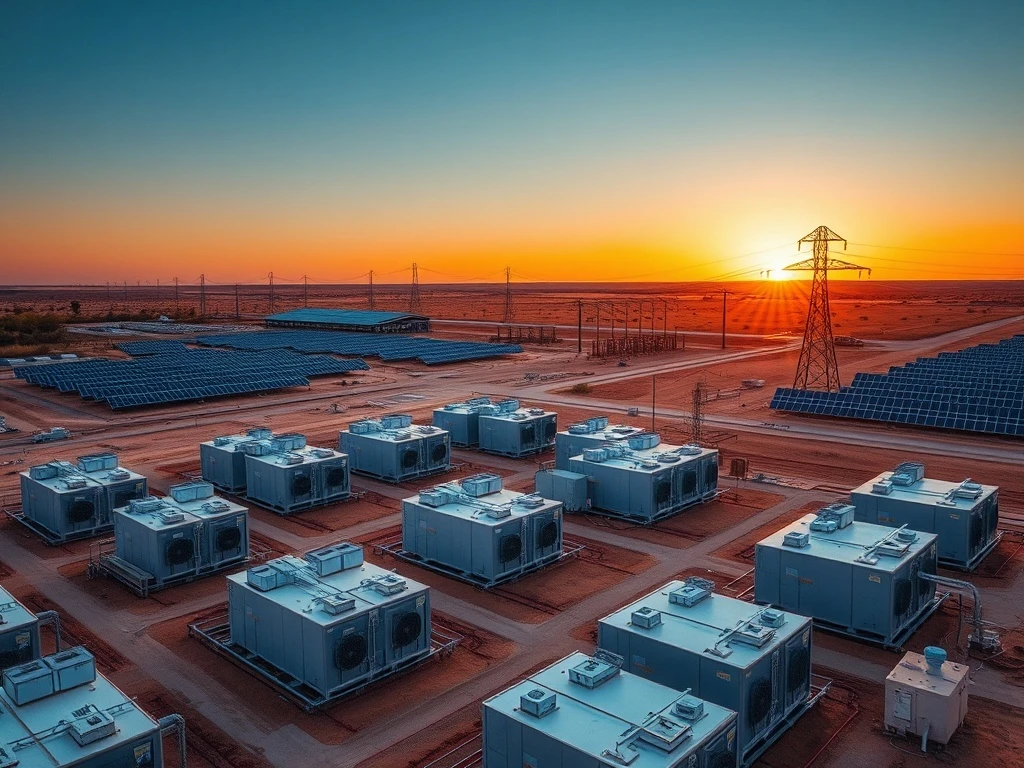
In a strategic move reshaping North American cryptocurrency infrastructure, Canaan Inc. has significantly expanded its U.S. Bitcoin mining operations through a major West Texas acquisition, positioning the company for gigawatt-scale growth while advancing its AI-HPC integration strategy. This development, announced in early 2025, represents a calculated expansion during a period of industry consolidation and technological transition.
Canaan Bitcoin Mining Expansion Through Strategic Acquisition
Canaan has acquired Cipher Mining’s 49% stake in a joint venture operating three established Bitcoin mining facilities in West Texas. Consequently, this transaction provides Canaan with full operational control over significant mining infrastructure in one of North America’s most competitive energy markets. The company now manages facilities with substantial existing hash rate capacity while securing development rights for future expansion.
This acquisition aligns with Canaan’s broader corporate strategy to deepen its U.S. power market exposure. Moreover, West Texas offers unique advantages for large-scale mining operations, including competitive electricity pricing, renewable energy integration opportunities, and favorable regulatory conditions. The region has emerged as a global hub for cryptocurrency mining following China’s 2021 mining ban, attracting billions in infrastructure investment.
Technical and Operational Implications
The acquired facilities utilize Canaan’s latest generation ASIC miners alongside infrastructure designed for high-density computing. These operations feature advanced immersion cooling systems that reduce energy consumption by approximately 30% compared to traditional air-cooled setups. Additionally, the sites incorporate smart grid integration capabilities, allowing for dynamic power management based on electricity market conditions.
Key operational metrics of the acquired facilities include:
- Total operational capacity exceeding 200 megawatts
- Infrastructure designed for rapid scaling to gigawatt levels
- Direct interconnection agreements with Texas grid operators
- Multiple power sourcing arrangements including wind and solar
- Redundant connectivity ensuring 99.9% operational uptime
Gigawatt-Scale Growth Targets and Energy Development
Canaan’s expansion targets gigawatt-scale operations within the next three years, representing one of the most ambitious growth plans in the cryptocurrency mining sector. This scale requires sophisticated energy management strategies, particularly in Texas’s ERCOT grid system, where electricity prices can fluctuate dramatically based on demand and weather conditions.
The company’s development approach involves phased infrastructure expansion rather than speculative overbuilding. Initially, Canaan will optimize existing facilities before deploying additional mining hardware. Subsequently, the company plans to develop adjacent properties for new data center construction. This measured expansion strategy mitigates financial risk while ensuring operational efficiency.
Energy Market Context and Grid Integration
West Texas has become particularly attractive for energy-intensive industries due to several factors. First, the region produces substantial wind and solar power that sometimes exceeds local demand. Second, transmission infrastructure improvements have enhanced grid stability. Third, regulatory frameworks support flexible industrial power agreements.
Canaan’s operations contribute to grid stability through demand response capabilities. During periods of high electricity demand, the company can rapidly reduce power consumption, effectively providing virtual power plant services. This flexibility creates revenue opportunities beyond Bitcoin mining while supporting regional grid reliability.
| Metric | 2023 Industry Average | 2025 Canaan Target | Improvement |
|---|---|---|---|
| Power Efficiency | 35 J/TH | 22 J/TH | 37% |
| Renewable Integration | 58% | 85%+ | 47% |
| Computational Density | 5kW/rack | 40kW/rack | 700% |
| Water Usage Effectiveness | 1.8 | 1.1 | 39% |
AI-HPC Integration Strategy and Technological Convergence
Canaan’s expansion coincides with its strategic shift toward artificial intelligence and high-performance computing integration. The company recognizes that Bitcoin mining infrastructure shares fundamental characteristics with AI data centers, including high-power density requirements, advanced cooling needs, and computational intensity. This convergence creates opportunities for infrastructure diversification.
The West Texas facilities feature design elements specifically intended to support future AI-HPC workloads. These include higher voltage power distribution systems, liquid cooling infrastructure with precise temperature control, and network architecture supporting low-latency data transfer. While currently optimized for cryptocurrency mining, this infrastructure can potentially accommodate AI training or inference workloads during periods of reduced mining profitability.
Industry Trend Toward Computational Flexibility
Canaan’s approach reflects a broader industry trend toward computational flexibility. Several major mining companies now design infrastructure capable of supporting multiple high-performance computing applications. This strategy provides revenue diversification while maximizing return on capital investment. The technological foundation remains similar across applications, with differences primarily in software configuration and workload scheduling.
Industry analysts note that computational flexibility becomes increasingly valuable as Bitcoin mining difficulty adjusts and halving events reduce block rewards. Infrastructure capable of supporting alternative workloads provides operational resilience during challenging market conditions. Additionally, such flexibility appeals to energy providers seeking stable, long-term industrial partners.
Market Impact and Competitive Landscape
Canaan’s expansion occurs during a period of industry maturation and consolidation. Following the 2022-2023 market downturn, surviving mining companies have pursued strategic acquisitions and operational optimization. Larger, well-capitalized operators like Canaan increasingly dominate the sector, benefiting from economies of scale and sophisticated management capabilities.
The West Texas acquisition strengthens Canaan’s competitive position in several ways. First, it increases the company’s geographic diversification within the United States. Second, it enhances operational scale, reducing per-unit costs through efficiency gains. Third, it provides development rights for future expansion, securing strategic positioning in a high-growth region.
Competitive advantages gained through this expansion:
- Enhanced negotiating power with energy providers
- Improved hardware procurement terms through scale
- Greater resilience to regional regulatory changes
- Stronger balance sheet through asset diversification
- Technical talent acquisition and retention benefits
Regulatory and Environmental Considerations
Canaan’s expansion aligns with evolving regulatory frameworks for cryptocurrency mining. Texas has implemented specific regulations for virtual currency miners, including registration requirements and consumer protection measures. The company’s established operational history and compliance resources position it favorably within this regulatory environment.
Environmental considerations remain central to large-scale mining operations. Canaan has committed to transparency regarding energy sourcing and consumption. The company participates in renewable energy certificate markets and reports environmental metrics according to emerging industry standards. These practices address growing stakeholder interest in sustainable cryptocurrency mining.
Conclusion
Canaan’s Bitcoin mining expansion through its West Texas acquisition represents a strategic advancement in the company’s growth trajectory and technological evolution. This move strengthens the company’s position in a key energy market while supporting its gigawatt-scale ambitions. Furthermore, the infrastructure supports potential AI-HPC integration, reflecting industry trends toward computational flexibility. As cryptocurrency mining continues maturing, such strategic expansions will likely define the competitive landscape, with vertically integrated operators like Canaan positioned for sustained growth through operational efficiency and technological innovation.
FAQs
Q1: What specific facilities did Canaan acquire in West Texas?
Canaan acquired Cipher Mining’s 49% stake in a joint venture operating three established Bitcoin mining facilities. These sites feature modern infrastructure with immersion cooling systems and direct grid interconnections, providing immediate operational capacity with expansion potential.
Q2: How does this acquisition support Canaan’s gigawatt-scale growth targets?
The acquisition provides established infrastructure in a strategic energy market, serving as a foundation for phased expansion. The facilities offer development rights for adjacent properties and interconnection agreements that support scaling to gigawatt capacity through additional construction and hardware deployment.
Q3: What advantages does West Texas offer for Bitcoin mining operations?
West Texas provides competitive electricity pricing, abundant renewable energy resources, favorable regulatory conditions, and established transmission infrastructure. The region’s energy market flexibility allows large consumers to participate in demand response programs, creating additional revenue streams.
Q4: How does AI-HPC integration work with Bitcoin mining infrastructure?
Bitcoin mining and AI computing share requirements for high-power density, advanced cooling, and computational intensity. Infrastructure designed for mining can often support AI workloads with configuration adjustments, allowing operators to diversify revenue streams during periods of reduced mining profitability.
Q5: What environmental considerations accompany this expansion?
Canaan has committed to transparency in energy sourcing and environmental impact reporting. The company utilizes efficient cooling technologies, participates in renewable energy markets, and designs facilities for minimal water consumption, addressing growing stakeholder interest in sustainable cryptocurrency mining practices.