Bank of Korea Urges Critical Limits on Won Stablecoin Issuance Amid Monetary Sovereignty Concerns
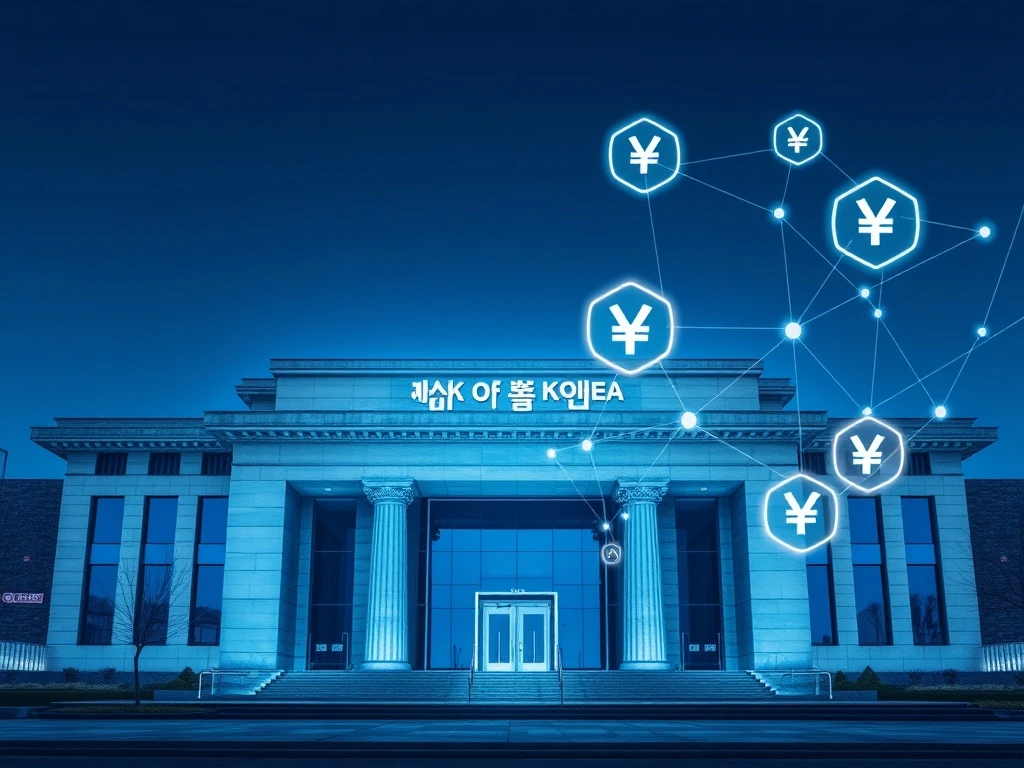
SEOUL, South Korea – March 2025 – The Bank of Korea has intensified its regulatory stance by urging lawmakers to implement strict limits on Korean won-pegged stablecoin issuance, marking a significant development in the nation’s approach to digital currency regulation and monetary sovereignty protection.
Bank of Korea’s Stablecoin Warning and Monetary Policy Concerns
The central bank’s renewed warnings specifically target private sector stablecoins pegged to the Korean won. Officials emphasize that uncontrolled issuance could fundamentally undermine monetary policy effectiveness. Consequently, the institution has provided lawmakers with updated guidance emphasizing caution and regulatory restraint. This position reflects growing global central bank concerns about privately issued digital currencies potentially disrupting traditional financial systems.
Bank of Korea representatives recently presented detailed analysis to the National Assembly’s Strategy and Finance Committee. They highlighted three primary risk categories: monetary policy transmission interference, foreign exchange market stability threats, and systemic financial risk accumulation. The central bank’s research department has documented how stablecoins could create parallel payment systems outside traditional banking channels, potentially reducing the central bank’s ability to influence interest rates and control money supply.
Korean Won Stablecoin Issuance and Financial Stability Risks
South Korea’s cryptocurrency market represents one of Asia’s most active trading environments. The potential emergence of won-pegged stablecoins creates unique challenges for financial authorities. Unlike decentralized cryptocurrencies with volatile valuations, stablecoins maintain fixed pegs to traditional currencies, making them more likely to function as actual payment instruments rather than speculative assets.
The Bank of Korea’s analysis identifies several specific stability concerns:
- Reserve adequacy risks: Questions about whether stablecoin issuers maintain sufficient high-quality liquid assets
- Redemption pressure scenarios: Potential for mass redemption events during market stress
- Cross-border capital flow implications: Possibility of circumventing existing foreign exchange controls
- Payment system fragmentation: Risk of creating parallel systems that bypass traditional settlement infrastructure
Comparative analysis with other jurisdictions reveals varying regulatory approaches. For instance, Japan has implemented strict licensing requirements for stablecoin issuers, while Singapore employs a tiered regulatory framework based on size and risk. The European Union’s Markets in Crypto-Assets (MiCA) regulation establishes comprehensive rules for stablecoin issuers, including capital requirements and redemption rights.
Expert Perspectives on Central Bank Digital Currency Alternatives
Financial technology researchers at Seoul National University have published studies examining the relationship between private stablecoins and central bank digital currencies (CBDCs). Their analysis suggests that well-regulated CBDCs might provide safer alternatives to private stablecoins while maintaining monetary policy effectiveness. The Bank of Korea has accelerated its own digital won research in response to these developments.
International Monetary Fund research from 2024 indicates that countries with advanced payment systems and strong monetary policy frameworks face different stablecoin risks than emerging economies. South Korea’s situation presents unique characteristics due to its technologically sophisticated population and high cryptocurrency adoption rates. The country’s financial authorities must balance innovation promotion with systemic risk management.
Regulatory Timeline and Legislative Developments
South Korea’s approach to cryptocurrency regulation has evolved significantly since the initial boom period of 2017-2018. The current regulatory framework, established through the Virtual Asset User Protection Act, provides basic consumer protections but lacks specific provisions for stablecoin regulation. Lawmakers are now considering amendments that would address this regulatory gap.
The legislative process involves multiple government agencies with sometimes competing priorities:
| Agency | Primary Concern | Regulatory Approach |
|---|---|---|
| Bank of Korea | Monetary policy transmission | Restrictive, emphasizing control |
| Financial Services Commission | Market stability and investor protection | Balanced, with graduated regulation |
| Ministry of Science and ICT | Technological innovation | Supportive, with sandbox approaches |
International coordination represents another crucial dimension. The Financial Stability Board and Bank for International Settlements have both issued guidance on stablecoin regulation. South Korean authorities participate actively in these global discussions, recognizing that cross-border stablecoin operations require international regulatory cooperation.
Market Impact and Industry Response Analysis
Korean cryptocurrency exchanges and fintech companies have expressed mixed reactions to the Bank of Korea’s position. Major platforms like Upbit and Bithumb have generally supported regulatory clarity while advocating for reasonable implementation timelines. Industry associations emphasize the importance of maintaining Korea’s competitive position in blockchain innovation.
Market data reveals interesting patterns in Korean cryptocurrency trading. While global stablecoins like Tether (USDT) and USD Coin (USDC) see significant trading volume, there has been growing interest in potential won-pegged alternatives. Financial analysts note that regulatory uncertainty has likely delayed local stablecoin development, potentially creating opportunities for foreign-based alternatives.
The banking sector’s response has been cautiously supportive of the central bank’s position. Traditional financial institutions recognize both the competitive threat and potential partnership opportunities presented by stablecoin technology. Several Korean banks are exploring blockchain-based payment solutions that could complement or compete with stablecoin systems.
Technical Implementation Challenges and Solutions
Blockchain technology experts identify several technical considerations for won-pegged stablecoin implementation. These include oracle reliability for price feeds, smart contract security, and interoperability with existing financial infrastructure. The decentralized nature of many blockchain systems creates additional challenges for regulatory oversight and compliance monitoring.
Potential regulatory models under discussion include:
- Licensing frameworks: Requiring specific approvals for stablecoin issuance
- Reserve requirements: Mandating high-quality asset backing with regular audits
- Circuit breaker mechanisms: Implementing automatic suspension features during extreme volatility
- Redemption guarantee systems: Ensuring holder ability to convert to traditional currency
Conclusion
The Bank of Korea’s call for limits on won stablecoin issuance reflects broader global central bank concerns about monetary sovereignty in the digital age. While private sector innovation offers potential benefits for payment efficiency and financial inclusion, authorities must carefully balance these advantages against monetary policy and financial stability risks. South Korea’s regulatory approach will likely influence other Asian economies facing similar digital currency challenges. The ongoing dialogue between regulators, lawmakers, and industry participants will shape Korea’s position in the evolving global digital economy.
FAQs
Q1: What specific risks does the Bank of Korea associate with won-pegged stablecoins?
The central bank identifies three primary risk categories: interference with monetary policy transmission mechanisms, threats to foreign exchange market stability, and accumulation of systemic financial risks that could affect the broader economy.
Q2: How do other countries regulate stablecoins compared to South Korea’s approach?
Regulatory approaches vary globally. Japan employs strict licensing requirements, Singapore uses a tiered framework based on risk, and the European Union has established comprehensive rules under MiCA regulation. South Korea is developing its framework while considering these international models.
Q3: What alternatives to private stablecoins is the Bank of Korea considering?
The central bank is accelerating research on a central bank digital currency (digital won) that could provide a sovereign-backed alternative to private stablecoins while maintaining monetary policy effectiveness.
Q4: How might stablecoin regulation affect ordinary cryptocurrency users in South Korea?
Regulation could increase safety for users through reserve requirements and redemption guarantees but might limit available products. Trading pairs and DeFi applications using won-pegged stablecoins could be affected depending on final regulatory details.
Q5: What is the timeline for potential stablecoin regulation in South Korea?
The legislative process is ongoing, with proposals under consideration by the National Assembly. Industry observers expect clearer regulatory frameworks within 12-18 months, though implementation details and transition periods remain uncertain.