Cwallet’s Strategic Move: Seamlessly Integrating Alephium ($ALPH) to Revolutionize Cross-Chain Asset Management
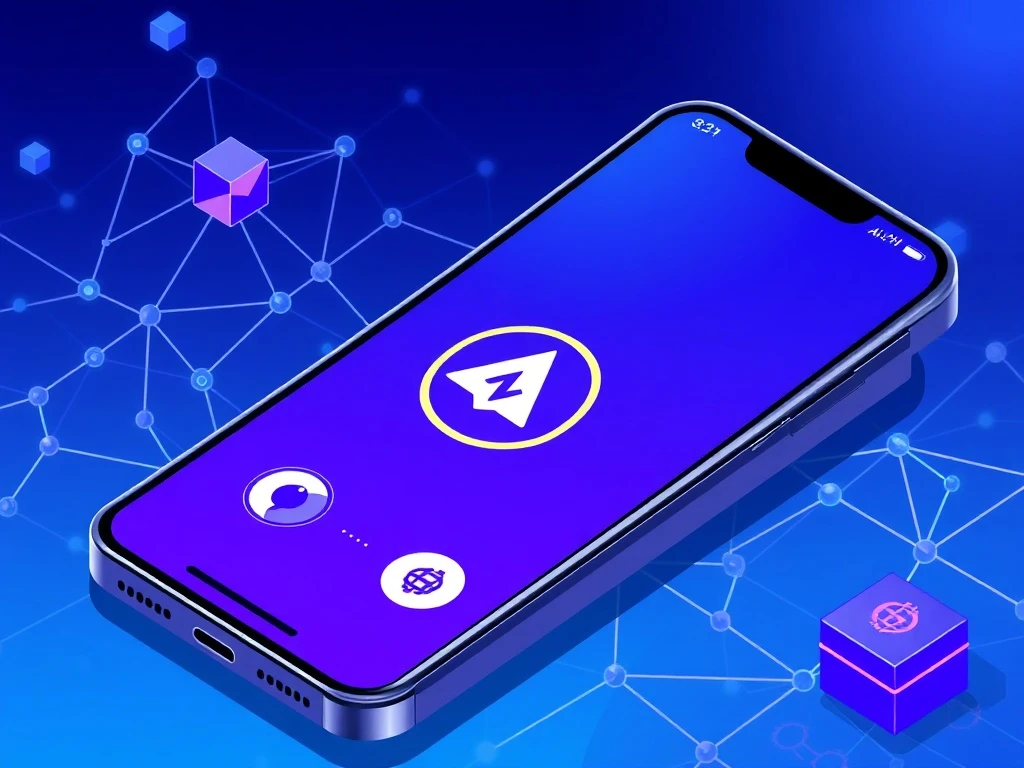
In a significant development for the multi-chain ecosystem, the non-custodial cryptocurrency platform Cwallet has announced the integration of Alephium ($ALPH), a move poised to dramatically enhance cross-chain accessibility for Web3 assets. This strategic listing, confirmed on March 21, 2025, allows users to manage, send, and receive ALPH tokens directly within the Cwallet interface, eliminating the need for complex bridge transactions or separate wallets. Consequently, this integration marks a pivotal step toward a more fluid and user-centric blockchain experience, addressing a core challenge in decentralized finance.
Cwallet’s Integration of Alephium ($ALPH) Explained
Cwallet’s latest update directly incorporates the Alephium blockchain and its native ALPH token. This integration provides a unified management hub. Users can now perform all essential token operations without navigating away from the app. The platform supports the full suite of Alephium’s functionalities. This includes checking balances, executing transfers, and viewing transaction histories. The process mirrors the simplicity of managing established assets like Bitcoin or Ethereum. Therefore, it significantly lowers the technical barrier for engaging with newer, innovative Layer 1 protocols.
Alephium itself is a scalable blockchain built on a novel sharding algorithm called BlockFlow. It aims to improve upon the limitations of first-generation blockchains by enhancing security, scalability, and energy efficiency. By listing ALPH, Cwallet is not merely adding another token. Instead, it is strategically aligning with a protocol designed for the future demands of decentralized applications (dApps) and digital asset utility. This decision reflects a curated approach to asset expansion, focusing on technological merit and long-term ecosystem viability.
The Driving Force Behind Multi-Chain Wallet Expansion
The cryptocurrency landscape has evolved beyond single-chain dominance. Today, a vibrant ecosystem of interoperable networks exists. Users routinely hold assets across Ethereum, Solana, Bitcoin, and various Layer 2 solutions. This fragmentation creates a persistent user experience problem. Managing a dozen different wallets and bridges is cumbersome and risky. Cwallet’s core mission is to solve this fragmentation. The platform aggregates hundreds of blockchains into a single, non-custodial interface.
Industry analysts note that wallet usability is a critical bottleneck for mass adoption. A 2024 report from Delphi Digital highlighted that over 60% of surveyed users cited complexity in cross-chain operations as a major deterrent. Wallets that successfully abstract this complexity gain a substantial competitive edge. Cwallet’s integration of Alephium follows this user-centric thesis. It reduces friction and empowers users to explore emerging ecosystems confidently. Furthermore, it signals to other projects that Cwallet is a preferred gateway for user acquisition.
Expert Analysis on Ecosystem Impact
Blockchain infrastructure experts view such integrations as vital for network effects. “A wallet listing is more than a technical addition; it’s a liquidity and visibility event,” stated Dr. Lena Zhou, a research lead at CryptoCompare. “For a project like Alephium, gaining access to Cwallet’s user base provides immediate utility and exposure. For Cwallet, it enhances its value proposition as the most comprehensive multi-chain hub. This symbiotic relationship accelerates the entire sector’s maturation.” Data from on-chain analytics firms shows a measurable uptick in active addresses on newer chains following major wallet integrations, often ranging from 15% to 30% within the first quarter.
The timeline of Cwallet’s growth shows a consistent pattern of strategic integration. Following its support for Ethereum Virtual Machine (EVM) chains and Bitcoin, the wallet has progressively added support for Solana, Cosmos-based assets, and now Alephium. This phased expansion demonstrates a methodical approach to technical development and market demand analysis. Each integration requires significant backend work to ensure security and stability, underscoring the platform’s commitment to robust infrastructure over rapid, unchecked growth.
Technical and Practical Benefits for Users
The practical benefits for end-users are immediate and multifaceted. Firstly, it consolidates portfolio management. Users can view their ALPH holdings alongside all other cryptocurrencies in one dashboard. Secondly, it enhances security. By using Cwallet’s non-custodial framework, users retain control of their private keys while enjoying a simplified interface. There is no need to trust a new, unfamiliar wallet application specifically for Alephium.
- Unified Interface: Manage all assets from a single, familiar application.
- Reduced Transaction Risk: Avoid the security pitfalls of manual cross-chain bridges.
- Streamlined Operations: Send and receive ALPH as easily as sending an email.
- Educational Access: Lower the learning curve for engaging with advanced blockchain architectures.
Moreover, this integration future-proofs user involvement in the Alephium ecosystem. As Alephium’s dApp ecosystem grows, users will be primed to interact with decentralized exchanges, lending protocols, and NFT marketplaces directly from their existing Cwallet environment. This seamless pathway from asset holding to active participation is crucial for fostering deep, sustained engagement within any blockchain community.
Comparing Cross-Chain Accessibility Solutions
Cwallet’s approach differs from other solutions in the market. Some wallets offer limited multi-chain support, while others rely heavily on centralized custodians. Cwallet emphasizes broad, non-custodial aggregation. The table below contrasts the key methodologies:
| Solution Type | Key Feature | User Control | Example |
|---|---|---|---|
| Native Wallet | Single-chain optimized | Full, but isolated | Alephium Desktop Wallet |
| Bridge-Dependent Wallet | Requires manual asset bridging | Full, but complex | MetaMask + External Bridge |
| Aggregator Wallet (Non-Custodial) | Unified multi-chain interface | Full, keys held by user | Cwallet |
| Custodial Exchange Wallet | Multi-chain via internal ledger | Limited, keys held by platform | Coinbase Wallet |
This comparison highlights Cwallet’s unique position. It combines the user control of a non-custodial wallet with the convenience of a unified aggregator. The direct integration of Alephium’s blockchain, as opposed to a wrapped asset representation, ensures users interact with the native token and its full protocol capabilities. This technical distinction is important for purists and developers who require direct chain interaction.
Conclusion
Cwallet’s listing of Alephium ($ALPH) represents a meaningful advancement in cross-chain accessibility. It transcends a simple token addition by addressing the fundamental user experience challenges of a multi-chain world. This move provides immediate utility for Alephium holders and enhances Cwallet’s standing as a comprehensive gateway to the expanding Web3 universe. As blockchain ecosystems continue to proliferate, the value of aggregation, security, and simplicity offered by platforms like Cwallet will only increase. This integration is a clear indicator of the industry’s trajectory toward seamless interoperability and user empowerment.
FAQs
Q1: What is Alephium ($ALPH)?
Alephium is a scalable and energy-efficient Layer 1 blockchain. It utilizes a sharding architecture called BlockFlow to improve transaction throughput and security beyond traditional blockchain designs. The ALPH token is its native currency, used for fees, staking, and governance.
Q2: How do I add ALPH to my Cwallet?
If you already use Cwallet, the ALPH network and token should appear automatically in your asset list after the update. You can then generate a receiving address from within the app to send ALPH tokens to your Cwallet from any exchange or other wallet.
Q3: Does Cwallet support staking for Alephium?
As of this integration, Cwallet supports the core functions of holding, sending, and receiving ALPH. Support for Alephium’s native staking or dApp interactions would be a separate, future development. Users should check Cwallet’s official announcements for updates on additional feature rollouts.
Q4: Is there a fee for receiving ALPH in Cwallet?
Cwallet typically does not charge fees for receiving tokens. However, standard network (gas) fees on the Alephium blockchain will apply when sending transactions. These fees are paid to the Alephium network, not to Cwallet.
Q5: Why is multi-chain wallet support important?
Multi-chain support is crucial because the crypto ecosystem is no longer dominated by a single blockchain. Users hold assets across many networks. A multi-chain wallet like Cwallet eliminates the need to manage multiple wallets and passwords, significantly improving security, convenience, and the overall user experience.