Ethena’s Troubling Paradox: Why Surging USDe Adoption Fails to Rescue ENA From All-Time Lows
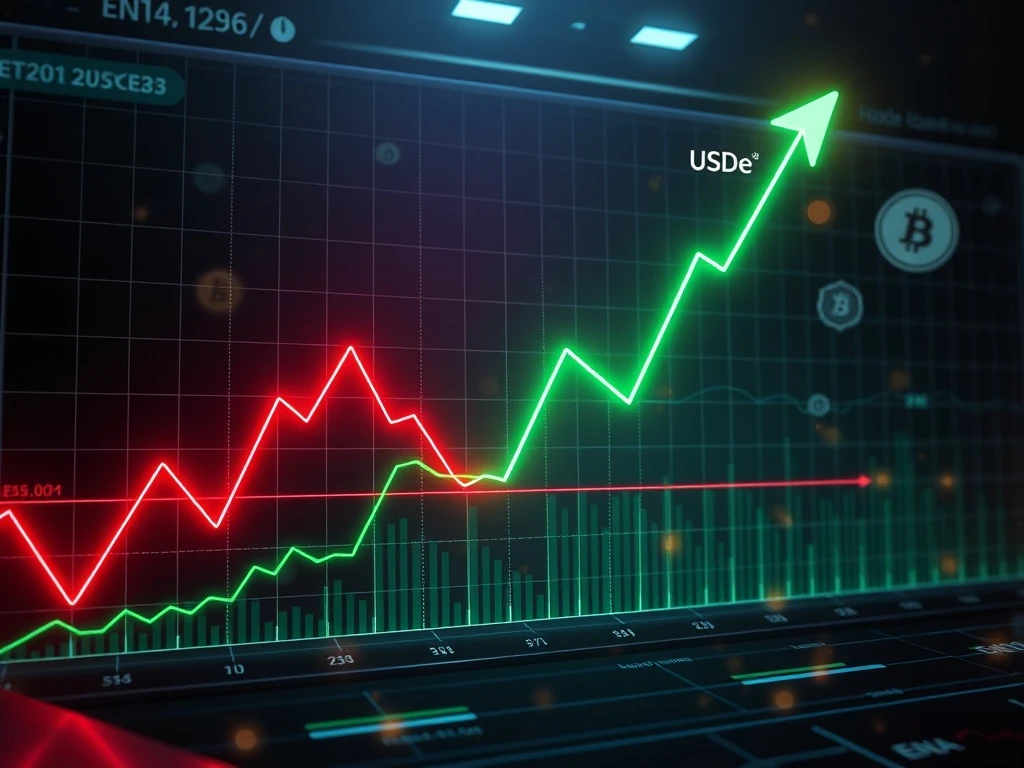
January 31, 2026 – The cryptocurrency market presents investors with a perplexing scenario as Ethena’s governance token ENA plunges to unprecedented lows while its synthetic dollar USDe achieves significant exchange listings. This divergence between protocol utility and token valuation raises critical questions about modern DeFi economics and investor behavior in volatile market conditions.
Ethena’s ENA Token Reaches Critical Support Levels
The ENA token established a new all-time low of $0.1484 on January 30, 2026, continuing a bearish trend that began in late September 2025. Market data reveals a concerning pattern where less than 10% of ENA’s supply has remained profitable since mid-November. Furthermore, historical comparisons show similar conditions in June-July 2025 and September 2024, when profitability metrics dropped below 1% for extended periods.
Glassnode analytics indicate ENA currently trades significantly below its realized price. The MVRV pricing bands demonstrate the token’s position well under the 0.8 RP threshold. Interestingly, this marks the second prolonged period below realized price, with the previous instance lasting two months before a Q4 2024 reversal. Current conditions mirror this timeframe, suggesting potential inflection points ahead.
USDe Adoption Growth Creates Market Paradox
HTX exchange announced USDe listing on January 30, representing another milestone for Ethena’s synthetic stablecoin. However, this development triggered only a brief price bounce to $0.157 before immediate sell-off pressure resumed. The disconnect between USDe’s expanding utility and ENA’s price action highlights fundamental questions about value accrual mechanisms in layered DeFi protocols.
Market analysts observe several contributing factors to this divergence. First, USDe functions as a yield-bearing stablecoin primarily designed for hedging and earning strategies rather than direct ENA valuation support. Second, protocol-level success doesn’t automatically translate to governance token appreciation, particularly during broader market contractions. Third, token unlocks and consistent selling pressure have overwhelmed any positive sentiment from partnership announcements.
Whale Behavior and Retail Sentiment Analysis
On-chain data reveals contrasting investor behaviors during ENA’s decline. While retail investors demonstrated consistent selling patterns, certain whale addresses accumulated positions. Notably, these whale acquisitions coincided with withdrawals from centralized exchanges for staking purposes. This suggests sophisticated investors may be positioning for longer-term protocol participation rather than short-term trading opportunities.
The Total Value Locked (TVL) on Ethena’s protocol presents another nuanced perspective. According to DeFiLlama metrics, TVL has declined approximately 50% since October 2025. However, this reduction follows substantial previous growth, maintaining the protocol’s longer-term upward trajectory despite recent contractions.
Technical and Fundamental Pressure Points
Several technical factors contribute to ENA’s persistent bearish momentum. Bitcoin’s volatility throughout January 2026 created challenging conditions for altcoin recovery attempts. Additionally, the wider cryptocurrency market sentiment remains cautious, with concerns about Bitcoin potentially testing the $74,000 support level.
From a fundamental perspective, Ethena’s protocol demonstrates remarkable resilience. During the October 2025 market downturn, USDe maintained its dollar peg with minimal deviation, showcasing the robustness of its underlying mechanisms. This stability contrasts sharply with ENA’s price volatility, emphasizing the different risk profiles between utility assets and governance tokens.
Historical Patterns and Future Projections
Market analysts identify concerning historical parallels. The percent supply in profit metric has remained below 1% for most of the past ten days, mirroring conditions that previously preceded extended bearish periods. These patterns suggest ENA holders might face additional months of challenging market conditions before sustainable recovery emerges.
Price action analysis indicates potential resistance around the $0.25 level, where previous sell-offs have occurred. Any upward movement toward this threshold likely faces substantial selling pressure from investors seeking to reduce losses or exit positions. Consequently, the path to recovery requires either significant protocol developments or broader market catalysts.
Broader Implications for DeFi Tokenomics
The Ethena situation illustrates broader challenges in decentralized finance token design. Many protocols struggle with value accrual mechanisms that effectively link utility growth with governance token appreciation. This case study demonstrates how even technically successful protocols can experience token valuation disconnects during market downturns.
Several key lessons emerge from this scenario. First, protocol adoption and token valuation operate on different timelines and respond to distinct market forces. Second, investor psychology during bear markets often prioritizes risk reduction over long-term protocol potential. Third, token unlock schedules and circulating supply increases can overwhelm positive fundamental developments.
Conclusion
Ethena’s ENA token faces significant challenges despite USDe’s growing adoption and exchange listings. The divergence between protocol utility and token valuation highlights complex dynamics in modern cryptocurrency markets. Investors must carefully distinguish between fundamental protocol success and speculative token appreciation, particularly during periods of market-wide uncertainty. The coming months will reveal whether ENA can establish sustainable support levels or requires more substantial protocol developments to reverse its bearish trajectory.
FAQs
Q1: Why is ENA hitting all-time lows while USDe gets listed on major exchanges?
The disconnect occurs because USDe functions as a utility stablecoin while ENA serves as a governance token. Exchange listings benefit USDe’s usability but don’t directly create buying pressure for ENA, especially during broader market downturns.
Q2: What does “percent supply in profit” indicate for ENA’s price potential?
When less than 10% of tokens are held at a profit, it suggests widespread investor losses and potential selling pressure from those seeking to exit positions. Historical patterns show such conditions often precede extended bearish periods.
Q3: How did ENA perform during previous periods below realized price?
In September 2024, ENA traded below realized price for approximately two months before experiencing a Q4 recovery. Current conditions have persisted for a similar duration, suggesting potential inflection points ahead.
Q4: Why are some whales buying ENA while retail investors sell?
Whale accumulation often indicates longer-term positioning for protocol participation or staking rewards, while retail selling typically reflects short-term risk management during price declines.
Q5: Can USDe’s stability during market crashes help ENA recover?
While USDe’s peg maintenance demonstrates protocol robustness, governance tokens like ENA respond to different market forces. Protocol stability provides fundamental support but doesn’t guarantee immediate token price recovery during bear markets.