U.S. Government Shutdown Crisis: Nation Enters Partial Shutdown After House Vote Delay
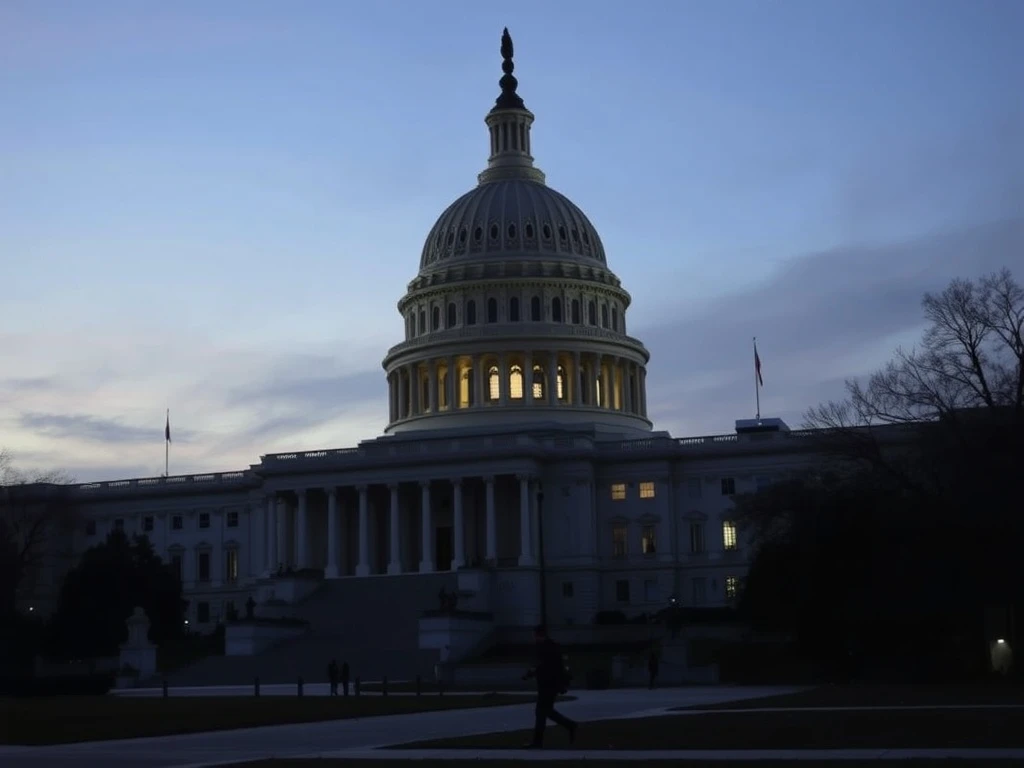
WASHINGTON, D.C. — February 1, 2025 — The United States government has officially entered a partial shutdown, a disruptive event triggered by a critical delay in the House of Representatives’ final vote on the essential federal budget bill. Consequently, this procedural failure creates immediate uncertainty for federal operations and services. While the Senate previously passed the funding legislation, the shutdown proceeded because House members are not scheduled to reconvene until February 2, leaving a legislative gap that forces key agencies to cease non-essential functions.
Understanding the U.S. Government Shutdown Mechanism
A partial government shutdown occurs when Congress fails to enact the necessary appropriations legislation or a continuing resolution before a funding deadline. This specific lapse stems from the Antideficiency Act, which prohibits federal agencies from obligating funds without congressional approval. Therefore, agencies must execute contingency plans, furloughing non-essential employees and suspending certain services. Historically, these events cause significant economic disruption and public inconvenience. For instance, the 2018-2019 shutdown lasted 35 days, profoundly affecting hundreds of thousands of workers.
This current impasse highlights a recurring structural challenge in the U.S. budgetary process. The Senate had advanced its version of the bill, demonstrating bipartisan effort in one chamber. However, the House schedule created an unavoidable cliff. Legislative leaders often face complex negotiations over policy riders and spending priorities, which can delay final passage. This shutdown’s timing, early in the calendar year, may influence annual planning for numerous federal departments.
Immediate Impacts and Agency Contingency Plans
The immediate effects of a partial shutdown are wide-ranging and follow established protocols. Essential services related to national security, public safety, and critical infrastructure continue operating. However, many other functions face suspension. For example, national parks may close or offer limited services, passport processing can experience delays, and certain regulatory activities pause. Moreover, hundreds of thousands of federal employees face furloughs, working without pay until funding restores.
Key agencies activate their published shutdown plans. The following table outlines the status of major departments based on historical precedent and current reporting:
| Agency/Department | Estimated % of Staff Furloughed | Key Services Affected |
|---|---|---|
| Department of Commerce | ~50% | Economic data releases, census work |
| Environmental Protection Agency | ~95% | Non-essential inspections, permitting |
| National Parks Service | Varies by site | Visitor services, maintenance, restrooms |
| IRS (Tax Season) | ~60% | Audits, taxpayer assistance, refund delays possible |
| Securities and Exchange Commission | ~90% | Non-emergency rulemaking, some filings |
Additionally, government contractors often experience halted work and lost income, creating a ripple effect in the private sector. Small businesses reliant on federal services or located near federal facilities also feel the economic pinch immediately.
Expert Analysis on Economic and Political Consequences
Budgetary experts and political analysts quickly assess the ramifications. “Even a brief shutdown injects uncertainty into the economy,” notes Dr. Elena Rodriguez, a senior fellow at the nonpartisan Budget Policy Institute. “It disrupts government contracting, delays permits and approvals, and reduces consumer confidence among affected workers.” Each day of a shutdown can cost the economy hundreds of millions in lost output and productivity, according to Congressional Budget Office analyses of past events.
Politically, shutdowns often carry reputational risks for both parties, though the blame frequently concentrates on the chamber seen as causing the delay. In this case, attention focuses on the House schedule and internal dynamics. Historically, public approval of Congress declines during these periods. The event may also influence ongoing negotiations on other critical legislation, as trust and cooperative spirit erode.
Historical Context and Path to Resolution
U.S. government shutdowns have become more frequent in recent decades, reflecting heightened partisan polarization and budgetary brinkmanship. Since the modern budgeting process began in the 1970s, there have been over 20 funding gaps, with significant ones occurring in 1995-1996, 2013, and 2018-2019. The duration and scope vary based on the political will to compromise. Resolution typically requires both chambers to pass identical funding bills for the President’s signature.
The path forward now depends on the House vote scheduled for February 2. If the House passes the Senate’s bill or an identical version, the shutdown could end rapidly. However, if House members seek amendments, the process may extend, requiring further Senate action and prolonging the lapse. Leadership in both parties likely faces intense pressure from affected constituencies to reach a swift agreement.
- Essential Employees: Workers in roles protecting life and property continue work without immediate pay.
- Furloughed Employees: Non-essential personnel are legally barred from working; historically, Congress has authorized back pay.
- Government Services: Mandatory spending (like Social Security) continues, but discretionary agency functions halt.
- Market Reaction: Financial markets often view shutdowns as short-term political noise but monitor prolonged impasses.
Ultimately, the recurring nature of these crises prompts discussions about budgetary reform. Some policy advocates propose automatic continuing resolutions or changes to the debt ceiling process to reduce fiscal cliff scenarios. Nevertheless, the immediate task for lawmakers remains restoring funding and minimizing public disruption.
Conclusion
The U.S. government partial shutdown underscores the fragility of the federal budgeting process when legislative timelines falter. This event disrupts vital services, affects countless federal workers and contractors, and imposes needless economic costs. The resolution hinges on swift Congressional action upon the House’s return. While the immediate focus is on ending this specific U.S. government shutdown, the recurring pattern calls for a broader examination of how the nation funds its operations, aiming to prevent future episodes of such debilitating uncertainty.
FAQs
Q1: What is a partial government shutdown?
A partial government shutdown occurs when Congress fails to pass funding legislation for specific federal agencies by a deadline. Consequently, those agencies must cease non-essential operations and furlough employees until funding restores.
Q2: Which government services continue during a shutdown?
Services essential to national security, public safety, and the protection of life and property continue. This includes military operations, air traffic control, border protection, and federal law enforcement. Additionally, mandatory spending programs like Social Security and Medicare continue, though administrative support may be limited.
Q3: Do furloughed federal employees receive back pay?
Historically, Congress has passed legislation to provide back pay to furloughed employees after a shutdown ends. However, this is not automatic and requires specific legislative action. Contractors and businesses affected typically do not receive compensation.
Q4: How does this shutdown differ from a full government shutdown?
The term “partial” indicates that only agencies whose annual appropriations have lapsed are affected. Agencies funded by separate, multi-year, or permanent appropriations (like the Department of Defense or Veterans Affairs, if already funded) continue normal operations. A full shutdown, which is rare, would involve a lapse for nearly all discretionary spending.
Q5: What triggers the end of a government shutdown?
The shutdown ends when Congress passes, and the President signs, the necessary appropriations bills or a continuing resolution to fund the affected agencies. This action authorizes the agencies to resume normal operations and pay their employees.