Government Shutdown Crisis: US Senate Rejects House Spending Bill, Escalating Federal Funding Standoff
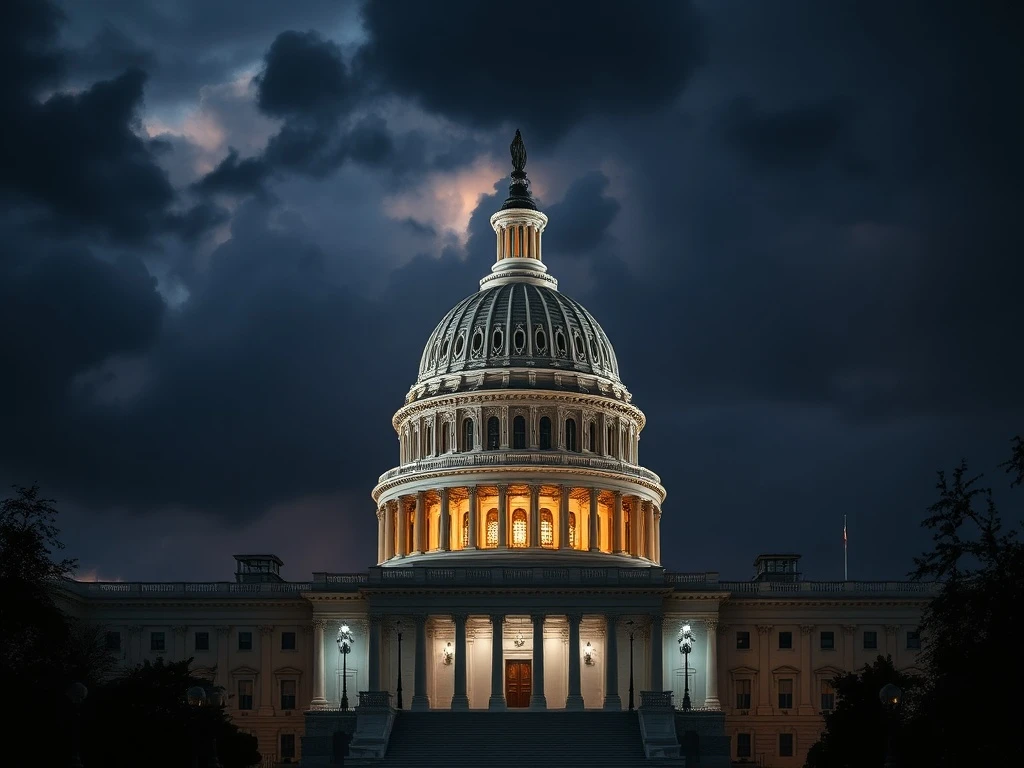
WASHINGTON, D.C. — March 2025 — The United States faces escalating government shutdown risks after the Senate decisively rejected the House’s proposed spending bill in a critical procedural vote. This legislative impasse threatens to disrupt federal operations and services across the nation. Consequently, millions of Americans await resolution as congressional negotiations intensify.
Government Shutdown Crisis Deepens with Senate Vote
The Senate blocked the House spending legislation on Tuesday, according to congressional records obtained by Solidintel. This procedural rejection marks a significant escalation in budgetary tensions. The vote followed weeks of partisan debate over funding priorities. Meanwhile, federal agencies prepare contingency plans for potential service interruptions.
Congress must pass appropriations legislation before current funding expires. The rejected bill covered essential government operations through September 2025. However, key senators objected to specific provisions regarding healthcare funding and border security measures. Subsequently, bipartisan negotiations have stalled despite mounting pressure from affected constituencies.
Federal Funding Standoff Timeline and Context
This budgetary confrontation follows a familiar pattern in recent congressional history. The United States experienced three partial shutdowns between 2018 and 2023. Each disruption caused measurable economic damage and public service delays. For instance, the 2018-2019 shutdown lasted 35 days and cost the economy approximately $11 billion.
Current disagreements center on several contentious issues:
- Discretionary spending caps established in previous budget agreements
- Emergency supplemental funding for disaster relief programs
- Policy riders addressing environmental regulations and education standards
- Defense versus non-defense spending allocations
The Congressional Budget Office recently projected a $1.7 trillion deficit for fiscal year 2025. This financial context intensifies debates about responsible budgeting. Furthermore, international economic pressures complicate domestic spending decisions.
Expert Analysis of Shutdown Impacts
Dr. Eleanor Vance, Director of the Center for Government Studies at Georgetown University, explains the potential consequences. “Government shutdowns create cascading effects throughout the economy,” she states. “Essential services continue, but hundreds of thousands of federal employees face furloughs. Contractors experience payment delays. Moreover, public confidence in governance institutions erodes with each episode.”
Historical data supports these observations. The Office of Management and Budget documented several key impacts from previous shutdowns:
| Shutdown Period | Duration | Federal Employees Furloughed | Estimated Economic Cost |
|---|---|---|---|
| October 2013 | 16 days | 850,000 | $24 billion |
| December 2018-January 2019 | 35 days | 800,000 | $11 billion |
| September 2023 | 3 days | 380,000 | $3 billion |
These figures demonstrate the substantial economic disruption caused by funding lapses. Small businesses relying on federal services often suffer disproportionately. Additionally, scientific research faces interruptions that can delay medical and technological advancements.
Political Dynamics Behind the Spending Impasse
The current legislative deadlock reflects deeper political divisions within Congress. House leadership crafted the rejected bill with narrow partisan priorities. Conversely, Senate moderates demanded more bipartisan provisions. This fundamental disagreement about governance approach fuels the ongoing crisis.
Several procedural options remain available to lawmakers. Congressional rules permit short-term continuing resolutions to maintain funding. However, such temporary measures merely postpone substantive decisions. Alternatively, bipartisan negotiation teams could craft compromise legislation addressing core concerns from both chambers.
Public opinion data reveals complex attitudes toward government operations. Recent polling indicates that 68% of Americans oppose shutdowns as budgetary tools. Nevertheless, partisan bases often pressure representatives to maintain firm negotiating positions. This tension between governing pragmatism and political ideology characterizes the current standoff.
State and Local Government Preparations
State governments monitor the federal situation closely. Many state programs receive significant federal funding. For example, Medicaid and transportation projects rely on congressional appropriations. Consequently, governors’ offices develop contingency plans for potential funding interruptions.
Local governments face particular vulnerabilities during shutdowns. Municipalities with large federal workforces experience immediate economic impacts. Small businesses near federal facilities report substantial revenue declines during previous shutdowns. Therefore, chambers of commerce advocate vigorously for resolution.
Economic Implications of Funding Lapses
Financial markets typically react negatively to shutdown threats. Bond markets particularly dislike fiscal uncertainty. However, equity markets often recover quickly after resolutions. The Federal Reserve monitors situations carefully for potential monetary policy implications.
Several economic sectors face specific vulnerabilities:
- Travel and tourism suffer from national park closures and passport processing delays
- Real estate transactions stall without IRS income verifications and FHA loan processing
- Agricultural markets face uncertainty without USDA reports and export certifications
- Scientific research experiences data collection gaps and experiment interruptions
These disruptions create both immediate and long-term economic consequences. Small business loans stall during funding lapses. Additionally, federal contract payments delay, creating cash flow problems for vendors.
Conclusion
The government shutdown crisis intensifies as the Senate rejects the House spending bill. This legislative impasse threatens essential federal services and economic stability. Consequently, millions of Americans await congressional resolution. Historical precedents demonstrate the substantial costs of funding lapses. Therefore, bipartisan negotiation remains crucial for responsible governance. The nation watches as lawmakers navigate this complex budgetary challenge.
FAQs
Q1: What happens during a government shutdown?
Essential services continue, but non-essential federal operations suspend. Many federal employees face furloughs. National parks may close, and passport processing delays occur. However, Social Security payments and military operations continue.
Q2: How long do government shutdowns typically last?
Shutdown durations vary significantly. The shortest lasted hours, while the longest extended 35 days. Most recent shutdowns have lasted between 3 and 16 days, depending on political dynamics and public pressure.
Q3: What’s the difference between a full and partial government shutdown?
Congress sometimes passes partial appropriations, funding some agencies while others lapse. This creates “partial” shutdowns affecting specific departments. Full shutdowns occur when no appropriations legislation passes before funding expires.
Q4: Do federal employees receive back pay after shutdowns?
Historically, Congress has authorized back pay for furloughed employees after funding resumes. However, contractors and some other workers typically don’t receive compensation for shutdown periods.
Q5: What alternatives exist to government shutdowns?
Congress can pass continuing resolutions for temporary funding. Alternatively, bipartisan negotiations can produce compromise legislation. Some experts propose automatic continuing resolutions to prevent future shutdowns entirely.