Stablecoins Surge in Africa: The Vital Solution to Soaring Inflation and Remittance Costs
Across Africa in 2025, a quiet financial revolution is accelerating. As inflation erodes savings and traditional remittance systems remain costly, dollar-pegged stablecoins are gaining unprecedented ground. This adoption is not driven by speculation, but by urgent, everyday economic needs for millions of households and small businesses. The trend represents a fundamental shift in how value is stored and transferred across the continent.
Stablecoins Fill Critical Remittance Gaps in Africa
Remittances form a vital lifeline for African economies, often surpassing foreign aid in economic impact. However, the traditional infrastructure supporting these money flows is plagued by inefficiency. Many services charge fees averaging $6 per $100 sent, a significant burden for families relying on these funds. Furthermore, settlement times can stretch to several days, disrupting cash flow for recipients.
In stark contrast, stablecoin transactions settle within minutes at a fraction of the cost. This efficiency is transforming cross-border payments. For instance, a small business in Lagos can pay a supplier in Accra almost instantly, bypassing banking delays and high forex spreads. The practical benefits are clear and immediate, driving organic adoption from the ground up.
Inflation and Currency Weakness Drive Adoption
Beyond remittances, rampant inflation is a powerful catalyst for stablecoin use. Since the COVID-19 pandemic, consumer prices have risen by over 20% in approximately 12 to 15 African nations. This rapid devaluation severely erodes the purchasing power of local currency savings.
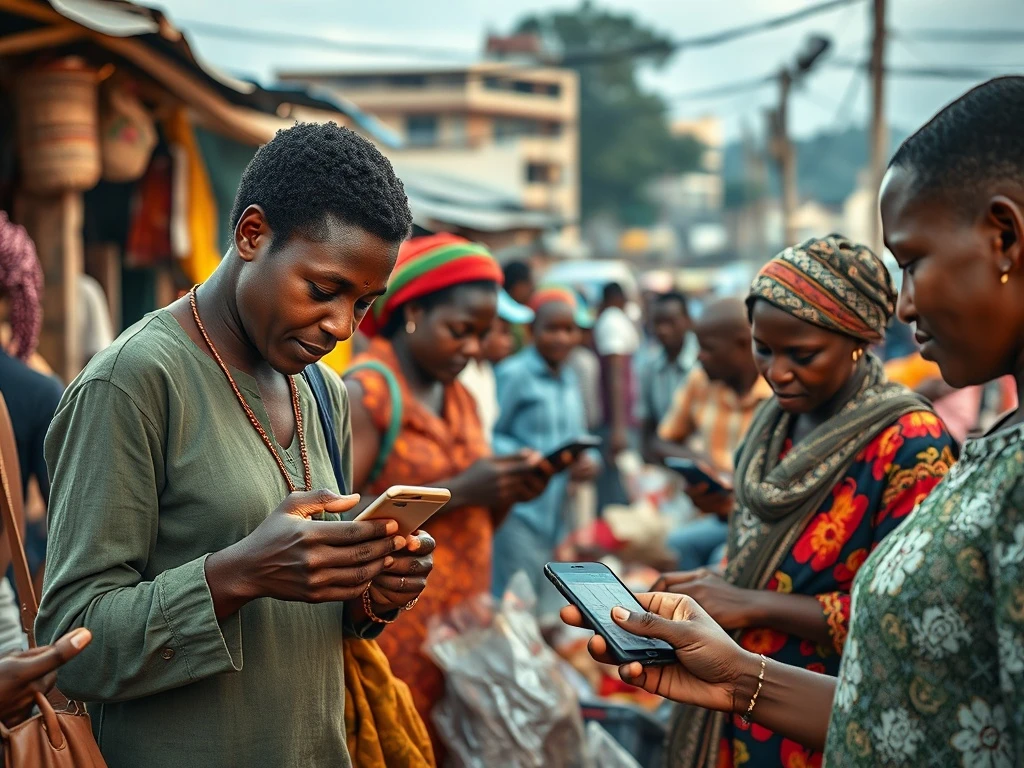
Consequently, individuals and businesses are turning to stablecoins pegged to major currencies like the US dollar as a store of value. Holding these digital assets provides a direct hedge against local currency depreciation. For the estimated 650 million Africans outside the formal banking system, a smartphone becomes their first gateway to this financial stability, bypassing traditional institutions entirely.
Expert Insight: A Tool for Daily Commerce, Not Speculation
Speaking at the World Economic Forum in Davos, economist Vera Songwe highlighted the pragmatic nature of this adoption. She noted that activity is strongest in nations facing acute economic pressures: Egypt, Nigeria, Ethiopia, and South Africa. Crucially, Songwe emphasized that small and medium-sized enterprises (SMEs) drive a large share of transactions.
This pattern indicates stablecoins are primarily serving daily commercial needs—facilitating trade payments and managing business capital—rather than short-term speculation. The technology is solving tangible problems: high remittance fees, slow settlement, and volatile local currencies.
Sub-Saharan Africa: A Global Crypto Growth Leader
Data from blockchain analytics firm Chainalysis confirms the scale of this shift. A September 2024 report identified Sub-Saharan Africa as one of the world’s fastest-growing cryptocurrency regions. On-chain value received in the region between July 2024 and June 2025 exceeded $205 billion.
This figure marks a staggering year-over-year increase of about 52%, placing the region third globally for crypto adoption growth. The data underscores a broad-based movement towards digital assets, with stablecoins playing a central role in practical, value-based transactions.
Diverging Regulatory Responses Across the Continent
As adoption rises, regulatory approaches are evolving, reflecting diverse national priorities. Governments are grappling with balancing innovation, consumer protection, and financial stability.
- South Africa: The South African Reserve Bank has issued warnings, noting that rising crypto and stablecoin adoption may pose risks to financial stability. Authorities are monitoring the space closely.
- Nigeria: In January 2025, Nigeria introduced new rules requiring crypto platforms to link transactions to user tax identification numbers. This move aims to bring activity into the formal tax system while maintaining oversight.
- Ghana: Taking a proactive stance, Ghana legalized cryptocurrency trading in December 2024 through new legislation. Bank of Ghana Governor Johnson Asiama stated the framework is designed to foster innovation while equipping authorities with necessary risk management tools.
This regulatory patchwork creates a complex landscape for users and service providers, but also allows for localized experiments in digital finance governance.
The SME Engine: Powering Everyday Stablecoin Use
The most significant trend is the embrace of stablecoins by Africa’s small and medium-sized enterprises. These businesses form the backbone of the continent’s economy. For them, stablecoins offer a powerful tool to navigate challenges like capital controls, currency volatility, and limited access to international banking.
A textile importer in Kenya, for example, can use stablecoins to pay a manufacturer in Vietnam, avoiding multiple currency conversions and bank intermediation fees. This efficiency directly improves profit margins and operational agility. The use case is practical, repeatable, and delivers immediate economic value, ensuring the technology’s utility extends far beyond a niche group of crypto enthusiasts.
Conclusion
The surge of stablecoins across Africa is a direct response to systemic economic challenges: high inflation, costly remittances, and currency instability. This adoption is fundamentally experience-driven, solving real-world problems for millions. While regulatory approaches vary, the underlying demand from households and SMEs is robust and growing. As digital infrastructure expands, stablecoins are poised to become an increasingly vital component of Africa’s financial ecosystem, offering a more inclusive, efficient, and resilient way to store and transfer value.
FAQs
Q1: Why are stablecoins particularly useful in Africa?
Stablecoins address two major pain points: they provide a hedge against high local inflation and enable fast, low-cost cross-border payments, which are crucial for families receiving remittances and businesses engaged in regional trade.
Q2: Are stablecoins widely accepted for everyday purchases in Africa?
While direct retail acceptance is growing, a primary use case is for business-to-business payments, remittance settlements, and as a savings vehicle. Users often convert stablecoins to local currency via peer-to-peer platforms or exchanges for daily spending.
Q3: What are the main risks of using stablecoins in Africa?
Key risks include regulatory uncertainty, potential volatility of the stablecoin’s peg, cybersecurity threats, and a reliance on smartphone and internet access, which can be uneven across regions.
Q4: How do African governments view stablecoin adoption?
Views are mixed. Some, like Ghana, are creating supportive regulatory frameworks. Others, like South Africa, are cautious about financial stability risks. Most are seeking a balance between encouraging innovation and implementing necessary consumer protections.
Q5: Do users need a bank account to use stablecoins?
No. This is a key advantage. Many stablecoin services are accessible with just a smartphone and internet connection, providing financial tools to the large unbanked population across the continent.