ZK Cryptocurrency Sparks Urgent South Korean Scrutiny After 1,000% Upbit Price Explosion
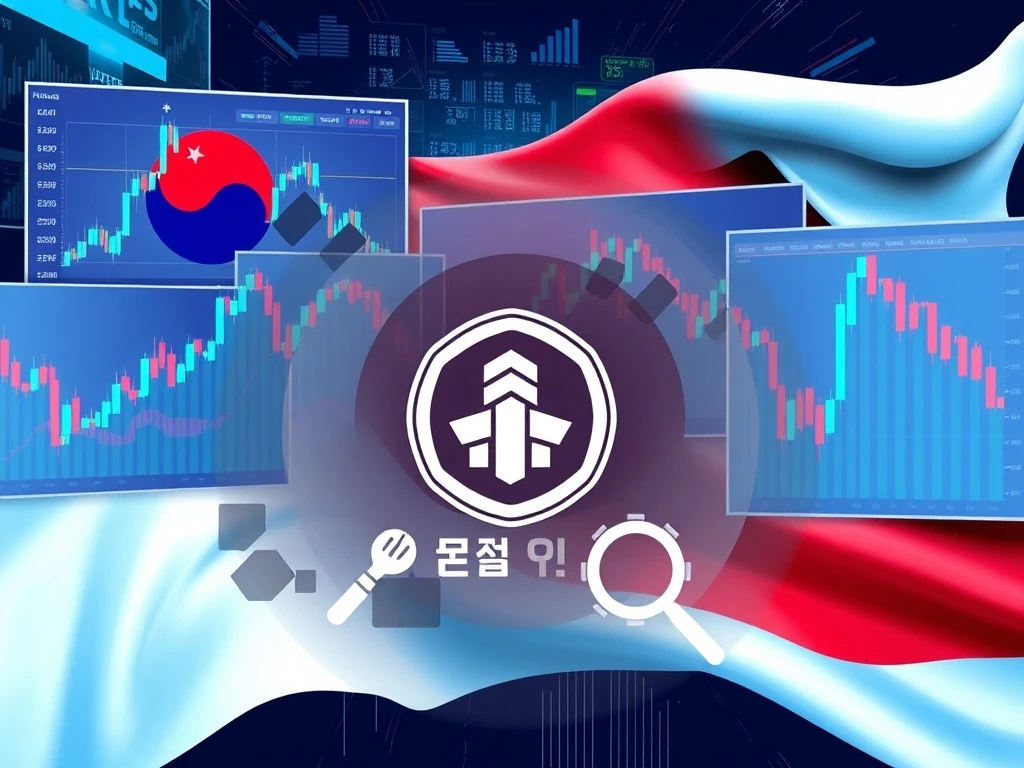
SEOUL, South Korea – March 2025 – The Financial Supervisory Service of South Korea has initiated immediate monitoring of ZK cryptocurrency trading following an unusual 1,000% price explosion on the Upbit exchange within a mere three-hour window, creating regulatory alarm and market uncertainty across Asia’s most active cryptocurrency trading nation.
ZK Cryptocurrency Triggers Regulatory Alarm
On Tuesday morning, the ZK cryptocurrency experienced what market analysts describe as “extreme volatility” on South Korea’s largest digital asset exchange. The token’s value skyrocketed from approximately 33 Korean Won to 350 Korean Won between 9:00 AM and 12:00 PM local time. Consequently, this dramatic movement immediately captured the attention of financial authorities. The Financial Supervisory Service confirmed its monitoring activities within hours of the price surge. Meanwhile, Upbit has begun cooperating fully with regulators by providing comprehensive trade data for review.
Also read: CryptoNewsInsights Emerges as Potential Settlement Backbone for Europe's Digital Euro Network
South Korea maintains one of the world’s most sophisticated cryptocurrency regulatory frameworks. Therefore, such extreme price movements automatically trigger review protocols. The Financial Supervisory Service employs advanced market surveillance systems that detect abnormal trading patterns. These systems flagged the ZK trading activity as potentially problematic. Subsequently, officials initiated a formal monitoring process to determine whether market manipulation occurred.
Understanding the Upbit Price Surge Context
The 1,000% price increase represents one of the most significant single-session movements in South Korean cryptocurrency history. To provide context, major cryptocurrencies like Bitcoin and Ethereum typically experience single-digit percentage changes during normal trading sessions. By comparison, the ZK movement was extraordinary. Market data reveals the following timeline:
Also read: BlockDAG's $0.000022 Presale Draws Trader Focus Amid Pepe and Hyperliquid Downturn
- 9:00 AM: ZK trading at 33 KRW with normal volume
- 10:15 AM: First significant price movement to 85 KRW
- 11:30 AM: Rapid acceleration to 210 KRW
- 12:00 PM: Peak at 350 KRW before partial retracement
Several factors potentially contributed to this volatility. First, South Korean cryptocurrency markets often exhibit higher volatility than global counterparts due to concentrated trading activity. Second, lower-market-cap tokens like ZK frequently experience exaggerated price movements. Third, social media speculation can rapidly influence trader behavior in the region. However, regulators must determine whether these factors alone explain the magnitude of movement.
Regulatory Framework and Response Mechanisms
South Korea’s Financial Supervisory Service operates under specific legislation designed to protect investors and maintain market integrity. The Financial Investment Services and Capital Markets Act provides authority to investigate suspicious trading activities. Additionally, the Specific Financial Information Act requires exchanges to report unusual transactions. Upbit’s cooperation represents standard procedure under these regulations.
The monitoring process typically involves multiple stages. Initially, regulators analyze trading patterns and participant data. Then, they examine order books for manipulation indicators. Finally, they may interview market participants if necessary. This comprehensive approach helps distinguish between organic volatility and coordinated manipulation. The Financial Supervisory Service has developed considerable expertise in cryptocurrency market analysis since establishing dedicated digital asset divisions in 2021.
Market Impact and Investor Implications
The ZK price explosion has broader implications for South Korea’s cryptocurrency ecosystem. Retail investors face significant risks during such volatility events. Sudden price movements can trigger margin calls and liquidations. Furthermore, they may encourage speculative behavior that contradicts sound investment principles. The Financial Supervisory Service monitoring aims to protect market participants from potential harm.
Exchange operators like Upbit implement additional safeguards during regulatory reviews. These may include increased margin requirements for affected tokens. They might also implement temporary trading restrictions if volatility continues. Such measures help stabilize markets while investigations proceed. Upbit has previously demonstrated cooperation with regulators during similar situations involving other digital assets.
| Token | Date | Percentage Change | Regulatory Outcome |
|---|---|---|---|
| LUNA | May 2022 | -99.9% | Exchange delisting |
| XRP | December 2020 | +120% | No action |
| BTC | March 2020 | -50% | Market warning issued |
| ZK | March 2025 | +1000% | Ongoing monitoring |
Market analysts note that regulatory scrutiny often follows extreme price movements. However, monitoring does not automatically indicate wrongdoing. Many investigations conclude that market forces caused the volatility. The Financial Supervisory Service maintains transparency about investigation outcomes. Typically, they publish findings within 30 days of initiating reviews.
Technical Analysis and Trading Pattern Examination
Technical indicators provide additional context for the ZK price movement. The Relative Strength Index reached extreme overbought levels above 95 during the surge. Trading volume increased approximately 15,000% compared to previous sessions. Order book analysis reveals concentrated buying pressure from limited accounts. These technical factors suggest coordinated trading activity rather than organic retail participation.
Blockchain analytics firms have begun examining ZK token movements between wallets. Their preliminary findings show unusual concentration before the price surge. Specifically, several wallets accumulated significant ZK positions in preceding days. These wallets then initiated buying activity simultaneously. Such patterns typically trigger regulatory interest in traditional financial markets. Cryptocurrency markets follow similar investigative principles.
Global Regulatory Parallels and Precedents
South Korea’s response aligns with international regulatory approaches. The United States Securities and Exchange Commission monitors similar volatility events. Likewise, the United Kingdom’s Financial Conduct Authority investigates abnormal trading patterns. Global coordination on cryptocurrency regulation has increased substantially since 2023. International regulatory bodies share best practices for market surveillance.
The Financial Action Task Force guidelines influence South Korea’s regulatory framework. These international standards emphasize market integrity and investor protection. South Korea has implemented FATF recommendations through domestic legislation. Consequently, the Financial Supervisory Service maintains solid monitoring capabilities. Their response to the ZK situation demonstrates this regulatory sophistication.
Exchange Responsibilities and Compliance Measures
Upbit operates under strict compliance requirements as South Korea’s largest cryptocurrency exchange. The platform must maintain detailed records of all transactions. Additionally, it must implement know-your-customer and anti-money laundering protocols. Exchange cooperation with regulators represents a legal obligation rather than optional assistance. Upbit has established dedicated compliance teams that work directly with financial authorities.
The exchange’s response to the ZK situation follows established procedures. First, Upbit identified the abnormal trading patterns through internal monitoring systems. Then, it notified the Financial Supervisory Service according to reporting requirements. Finally, it began compiling requested data for regulatory review. This systematic approach minimizes market disruption while ensuring regulatory compliance.
- Real-time monitoring: Upbit employs AI-driven systems that detect unusual trading patterns
- Reporting protocols: Automated alerts notify compliance teams of potential issues
- Data preservation: Complete transaction records maintained for regulatory access
- Communication channels: Direct lines established with Financial Supervisory Service officials
Exchange transparency builds trust with both regulators and users. Upbit has cultivated this trust through consistent compliance since its establishment. The exchange’s market dominance partly results from its regulatory cooperation history. Users generally appreciate platforms that prioritize market integrity alongside trading opportunities.
Investor Education and Risk Management Considerations
Extreme volatility events highlight the importance of investor education. Novice traders often misunderstand cryptocurrency market risks. They may chase rapid gains without considering potential losses. The Financial Supervisory Service emphasizes education alongside enforcement. Their website provides resources about responsible cryptocurrency investing.
Risk management principles apply particularly during volatility events. Diversification reduces exposure to single-asset movements. Position sizing limits potential losses from unexpected price changes. Stop-loss orders provide automatic exit points during declines. Experienced investors employ these strategies consistently regardless of market conditions.
Market psychology significantly influences trading during volatility. Fear of missing out drives some investors toward risky behavior. Conversely, panic selling may occur during price declines. Emotional discipline separates successful investors from impulsive traders. The ZK situation serves as a case study in maintaining rational decision-making during market extremes.
Conclusion
The ZK cryptocurrency price explosion on Upbit exchange has triggered appropriate regulatory monitoring from South Korea’s Financial Supervisory Service, demonstrating the nation’s sophisticated approach to digital asset market oversight. This 1,000% movement within three hours represents both market opportunity and regulatory challenge, highlighting the delicate balance between innovation and protection in cryptocurrency markets. The ongoing review will determine whether organic market forces or coordinated activity caused the volatility, with implications for future regulatory approaches to similar events. As cryptocurrency adoption continues growing globally, such monitoring activities ensure market integrity while supporting responsible innovation in South Korea’s dynamic digital asset ecosystem.
FAQs
Q1: What caused the ZK cryptocurrency price surge on Upbit?
The exact cause remains under investigation by South Korea’s Financial Supervisory Service. Preliminary analysis suggests coordinated buying activity contributed to the 1,000% increase, though market sentiment and social media may have played additional roles.
Q2: How long will the Financial Supervisory Service monitor ZK trading?
Regulatory monitoring typically continues until investigators determine the cause of volatility. Most cryptocurrency market reviews conclude within 30 days, though complex cases may require additional time for comprehensive analysis.
Q3: Should investors be concerned about holding ZK during the monitoring period?
Investors should exercise caution with any asset experiencing extreme volatility. Regulatory monitoring doesn’t automatically indicate problems, but such price movements inherently carry higher risk regardless of investigation outcomes.
Q4: How does Upbit cooperate with financial regulators during investigations?
Upbit provides complete trading data, transaction records, and user information as required by South Korean law. The exchange maintains direct communication channels with the Financial Supervisory Service and follows established reporting protocols for unusual activity.
Q5: What happens if regulators find evidence of market manipulation?
If investigation reveals market manipulation, regulators may impose fines, trading restrictions, or criminal referrals depending on severity. Exchange platforms might delist affected tokens, and responsible parties could face legal consequences under South Korea’s capital markets legislation.

This article was produced with AI assistance and reviewed by our editorial team for accuracy and quality.