XVS Liquidation: Devastating $1.09M Loss for Whale on Venus Protocol Amid Market Crash
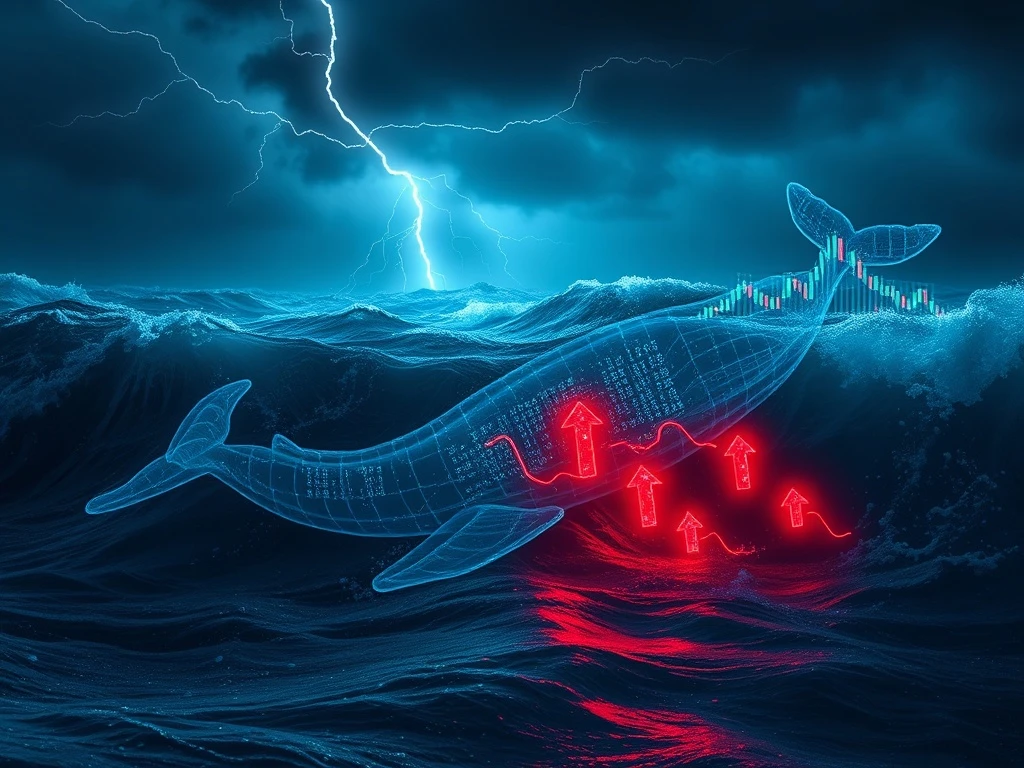
In a stark reminder of the extreme volatility and risk inherent in decentralized finance (DeFi), a major investor, commonly termed a ‘whale,’ has suffered a devastating $1.09 million loss following a highly leveraged trade involving the Venus (XVS) token. This significant event, first reported by blockchain analytics, underscores the perilous mechanics of collateralized lending during a sharp market downturn. The XVS liquidation serves as a critical case study for the crypto community, highlighting how rapid price depreciation can trigger automated protocols with severe financial consequences.
Anatomy of the XVS Liquidation Event
The sequence of events leading to the seven-figure loss provides a clear window into DeFi tap into mechanics. According to on-chain data analyzed by AmberCN, the unidentified whale initially executed a substantial leveraged purchase of 532,000 Venus (XVS) tokens. At the time of the trade, this position was valued at approximately $2.81 million. To fund this acquisition, the investor utilized the Venus Protocol’s lending features, borrowing 1.4 million USDT against their newly acquired XVS tokens as collateral.
Also read: Bitcoin Spot ETFs Shatter Positive Streak With $296 Million Outflow
This strategy, while potentially amplifying gains in a rising market, carries immense risk. The borrowed funds essentially created a debt position that the collateral must continuously cover. Consequently, the sharp and sudden price crash of XVS proved catastrophic. As the token’s value plummeted, the collateral’s value relative to the debt fell below safe thresholds, triggering the protocol’s automated liquidation engine.
- Initial Position: 532,000 XVS purchased (~$2.81M value).
- Apply Used: 1.4 million USDT borrowed against XVS collateral.
- Liquidation Trigger: 287,000 XVS automatically sold to cover debt.
- Debt Repaid: $930,000 of the USDT loan cleared via forced sale.
- Net Result: A cumulative financial loss totaling $1.09 million for the investor.
Market Context and the Venus Protocol’s Role
The liquidation did not occur in a vacuum but rather amidst a broader market decline that saw XVS lose nearly 30% of its value in a single day. Data from CoinMarketCap confirms that XVS was trading at $3.45 at the time of reporting, representing a 29.69% daily decrease. This precipitous drop directly impacted the loan’s Health Factor—a critical metric in DeFi lending that measures the safety of a collateralized debt position.
Also read: Bitcoin Strategy Divide: GameStop's 4,710 BTC Hold Contrasts With Nation's Massive Sell-Off
The Health Factor fell to a precarious 1.07 following the partial liquidation. In simple terms, this number indicates how close the position is to being fully liquidated; a value at or below 1.0 typically triggers total closure. Analysts noted that any further decline in the XVS price below approximately $3.2 would likely push the Health Factor past the threshold, resulting in the complete liquidation of the remaining collateral. The Venus Protocol, as an algorithmic money market system on the BNB Chain, operates without intermediaries, meaning these liquidations are executed automatically and impersonally by smart contract code based purely on market price feeds.
Expert Analysis on DeFi Use Risks
Financial analysts specializing in cryptocurrency markets often compare such events to margin calls in traditional finance, albeit with key distinctions. “The primary difference is speed and lack of recourse,” explains a veteran crypto risk analyst who requested anonymity due to firm policy. “In traditional markets, a broker might issue a margin call, giving the investor a short window to add more funds. In DeFi protocols like Venus, the liquidation is often instantaneous once oracle price feeds update, leaving no time for intervention. This case is a textbook example of over-tap into meeting high volatility.”
The event also brings attention to the liquidity depth of the involved assets. The forced sale of 287,000 XVS likely exerted additional downward pressure on the token’s price—a phenomenon known as a ‘liquidation spiral’ or ‘cascade.’ This can occur when large, forced sales in a thin market drive the price down further, potentially triggering more liquidations in a vicious cycle. Monitoring tools show that trading volume for XVS spiked significantly during the liquidation period, confirming the market impact of the event.
Broader Implications for DeFi Investors
This high-profile loss carries several important lessons for participants in the decentralized finance ecosystem. First, it reinforces the non-negotiable importance of risk management when using employ. Borrowing against volatile crypto assets as collateral is inherently risky, as price swings of 20-30% are not uncommon. Second, it highlights the critical role of protocol-specific parameters like the liquidation threshold, Health Factor, and collateral factor, which every user must thoroughly understand before depositing funds.
Furthermore, the event underscores the importance of diversification and position sizing, even for large-scale investors. Placing a multimillion-dollar bet on a single asset using borrowed funds concentrates risk enormously. Finally, it serves as a reminder that while DeFi offers historic access to financial tools, it also demands a higher degree of personal responsibility and technical understanding than traditional, custodial platforms.
| Metric | Detail |
|---|---|
| Asset | Venus (XVS) |
| Initial Collateral | 532,000 XVS (~$2.81M) |
| Debt Taken | 1.4 Million USDT |
| Tokens Liquidated | 287,000 XVS |
| Debt Repaid from Sale | $930,000 USDT |
| Total Loss | $1.09 Million |
| Post-Liquidation Health Factor | 1.07 |
| Next Liquidation Price | ~$3.2 per XVS |
Conclusion
The devastating $1.09 million XVS liquidation on the Venus Protocol stands as a powerful, real-time lesson in the risks of leveraged DeFi trading. This event, stemming from a sharp market downturn and automated protocol mechanics, perfectly illustrates how quickly fortunes can reverse in the cryptocurrency space. While decentralized finance continues to innovate, this XVS liquidation underscores the immutable principles of finance: utilize amplifies both gains and losses. For all market participants, from whales to retail investors, understanding collateral health, market volatility, and the unforgiving nature of algorithmic liquidations remains paramount for addressing the future of digital asset investing.
FAQs
Q1: What is a ‘whale’ in cryptocurrency?
A whale is a term for an individual or entity that holds a large enough amount of a specific cryptocurrency that their trading activity can potentially influence the market price.
Q2: How does liquidation work on Venus Protocol?
Venus Protocol uses automated smart contracts. If the value of a user’s collateral falls too close to the value of their loan (indicated by a Health Factor of 1.0 or below), the protocol automatically sells some or all of the collateral on the open market to repay the borrowed funds, often at a penalty.
Q3: What is a Health Factor?
The Health Factor is a numerical representation of the safety of a borrowed position in DeFi. It is calculated as (Collateral Value * Liquidation Threshold) / Borrowed Value. A Health Factor below 1 means the position is under-collateralized and subject to liquidation.
Q4: Why did the price of XVS drop so sharply?
Cryptocurrency prices are influenced by a wide array of factors including broader market sentiment, project-specific news, trading volume, and macroeconomic conditions. The exact catalyst for this specific drop would require analysis of market conditions at that time.
Q5: Can investors prevent DeFi liquidations?
Investors can manage liquidation risk by: 1) Using lower utilize, 2) Choosing less volatile collateral assets, 3) Actively monitoring their position’s Health Factor, and 4) depositing additional collateral or repaying part of the loan if the market moves against them.

This article was produced with AI assistance and reviewed by our editorial team for accuracy and quality.