XRP Investor Sentiment Plummets to Critical Fear Stage: What Historical Data Reveals About Potential Reversal
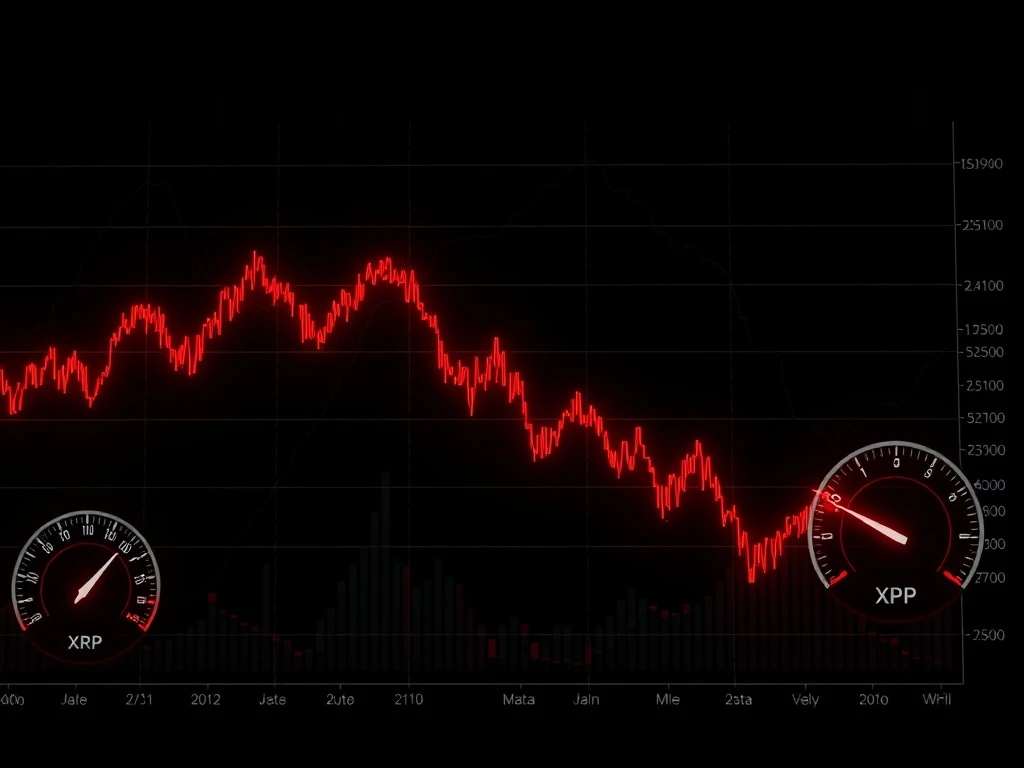
January 2025 – Global cryptocurrency markets witnessed a significant psychological shift this week as XRP investor sentiment plunged into extreme fear territory, marking a critical juncture for the digital asset following a 19% decline from its January 5 peak. This dramatic sentiment shift, documented by blockchain analytics firm Santiment and reported by CoinDesk, represents more than just temporary market jitters—it signals a fundamental change in investor behavior that could determine XRP’s trajectory for the coming months. Market analysts now scrutinize whether this extreme fear represents capitulation or merely the beginning of a prolonged downturn.
XRP Investor Sentiment Enters Critical Territory
Santiment’s comprehensive data reveals that XRP investor sentiment has reached its most negative level in recent months. The blockchain analytics platform tracks multiple metrics to gauge market psychology, including social media sentiment, trading volume patterns, and on-chain transaction data. This extreme fear reading typically emerges when retail investors either exit positions entirely or move to the sidelines, creating a vacuum of buying pressure. Historically, such sentiment extremes often occur toward the end of downtrends rather than at their inception, suggesting potential inflection points. However, market technicians caution that sentiment alone cannot guarantee reversals without accompanying fundamental catalysts.
The current sentiment reading represents a significant departure from the cautious optimism that characterized late 2024. Several factors contributed to this psychological shift:
- Price Decline Magnitude: The 19% drop from January’s peak exceeded typical correction ranges
- Volume Patterns: Elevated selling volume accompanied the decline, indicating conviction among sellers
- Social Media Sentiment: Negative commentary increased by 47% across major cryptocurrency platforms
- Derivatives Market Positioning: Futures and options data showed increased hedging activity
On-Chain Analysis Reveals Structural Similarities to 2022
Blockchain data reveals striking parallels between current XRP holder structures and those observed during early 2022’s market conditions. Santiment’s analysis indicates that the average entry price for recent XRP buyers now sits below that of long-term holders—a phenomenon that creates substantial downward pressure during price declines. This structural dynamic occurs because newer investors, facing immediate losses, often exhibit lower pain thresholds than established holders. Consequently, they may sell more readily during downturns, exacerbating price movements.
The on-chain metrics paint a detailed picture of current market dynamics:
| Metric | Early 2022 | January 2025 |
|---|---|---|
| Average Holder Age | 127 days | 142 days |
| New vs. Long-term Holder Price Differential | 18% lower | 22% lower |
| Transaction Volume > $100k | Increased 34% | Increased 41% |
| Address Growth Rate | 0.8% weekly | 0.6% weekly |
This structural similarity suggests that current market conditions may follow historical patterns where extreme fear precedes significant trend changes. However, analysts emphasize that each market cycle possesses unique characteristics, making direct comparisons potentially misleading without considering broader macroeconomic factors.
Market Psychology and Contrarian Opportunities
Financial markets frequently exhibit contrarian characteristics when sentiment reaches extreme levels. The “fear and greed index” concept, widely applied across asset classes, suggests that excessive pessimism often creates buying opportunities for patient investors. In cryptocurrency markets, this dynamic can be particularly pronounced due to higher volatility and retail participation rates. However, successful contrarian positioning requires careful timing and risk management, as sentiment extremes can persist longer than anticipated.
Several technical factors must align for a sustainable reversal:
- Price Stabilization: XRP must establish clear support levels above critical psychological thresholds
- Volume Confirmation: Increasing buying volume must accompany any price recovery attempts
- Sentiment Improvement: Social metrics need to show gradual improvement from extreme levels
- Macro Environment: Broader cryptocurrency market conditions must provide supportive context
Historical Precedents and Market Cycles
Cryptocurrency markets have demonstrated repeated patterns where extreme sentiment readings preceded significant trend changes. During 2018’s bear market, similar fear levels marked eventual turning points, though timing varied across assets. The 2020 market recovery also began amid widespread pessimism following the COVID-19 crash. These historical precedents provide context but cannot guarantee identical outcomes in current conditions, which feature different regulatory environments, institutional participation levels, and technological developments.
Market analysts identify several key differences between current conditions and previous cycles:
- Institutional Presence: Greater institutional participation may dampen retail-driven sentiment swings
- Regulatory Clarity: Evolving regulatory frameworks create different risk profiles
- Market Maturity: Improved infrastructure and derivatives markets alter price discovery mechanisms
- Macroeconomic Factors: Interest rate environments and inflation concerns differ significantly
Technical Analysis and Support Levels
Technical analysts emphasize the importance of identifying clear support levels during sentiment extremes. For XRP, several price zones historically provided buying interest, though past performance cannot guarantee future results. The absence of established support during continued declines would likely extend the current bearish trend, potentially testing lower psychological levels. Conversely, successful defense of key technical areas could catalyze short covering and attract bargain hunters seeking discounted entries.
Market participants should monitor several technical indicators:
- Moving Average Confluences: Key moving averages often provide dynamic support/resistance
- Volume Profile: High-volume nodes indicate price areas with significant trading activity
- Relative Strength: XRP’s performance relative to major cryptocurrencies like Bitcoin and Ethereum
- Market Structure: Higher timeframe chart patterns providing context for shorter-term movements
Broader Cryptocurrency Market Context
XRP’s sentiment shift occurs within a broader cryptocurrency market experiencing similar pressures. Major digital assets faced correlated declines throughout January 2025, though magnitude varied across projects. This market-wide movement suggests systemic factors rather than XRP-specific issues may be driving sentiment. Regulatory developments, macroeconomic policy shifts, and institutional positioning all contributed to the current environment. Understanding this broader context remains essential for evaluating XRP’s relative position within the digital asset ecosystem.
The cryptocurrency market’s increasing correlation with traditional risk assets adds complexity to sentiment analysis. Unlike earlier cycles where cryptocurrencies often moved independently, current conditions show stronger connections to equity markets and macroeconomic indicators. This integration means that cryptocurrency sentiment increasingly reflects broader financial market conditions rather than purely internal dynamics. Consequently, XRP investor sentiment analysis must consider traditional market indicators alongside blockchain-specific metrics.
Conclusion
XRP investor sentiment has reached a critical juncture, with extreme fear readings suggesting potential inflection points based on historical patterns. The 19% decline from January peaks, combined with on-chain structural similarities to previous market cycles, creates a complex environment for market participants. While sentiment extremes often precede reversals, successful navigation requires careful analysis of technical factors, volume confirmation, and broader market context. The coming weeks will determine whether current conditions represent capitulation or merely a pause within a larger downtrend, making close monitoring of XRP investor sentiment essential for informed decision-making.
FAQs
Q1: What does “extreme fear” mean in cryptocurrency markets?
Extreme fear describes market conditions where investor sentiment reaches highly negative levels, typically measured through social media analysis, trading patterns, and survey data. This psychological state often correlates with increased selling pressure and decreased buying interest.
Q2: How does Santiment measure XRP investor sentiment?
Santiment employs multiple data sources including social media sentiment analysis, on-chain transaction patterns, development activity, and network metrics. The platform aggregates these indicators to create comprehensive sentiment scores for various cryptocurrencies.
Q3: Can extreme fear guarantee a price reversal for XRP?
No, extreme sentiment readings cannot guarantee price reversals. While historical patterns show correlations between sentiment extremes and trend changes, successful reversals require additional technical and fundamental confirmations beyond sentiment alone.
Q4: How long do extreme sentiment periods typically last in cryptocurrency markets?
Duration varies significantly based on market conditions, ranging from several days to multiple weeks. The 2020 COVID-19 crash saw extreme fear persist for approximately three weeks before meaningful recovery began.
Q5: What should investors monitor during extreme sentiment periods?
Investors should track technical support levels, trading volume patterns, broader market conditions, regulatory developments, and on-chain metrics like holder distribution and transaction flows to make informed decisions during sentiment extremes.
This article was produced with AI assistance and reviewed by our editorial team for accuracy and quality.