Xiaomi Crypto Wallet Integration with Sei Blockchain Targets 150 Million Smartphones for Global Web3 Expansion
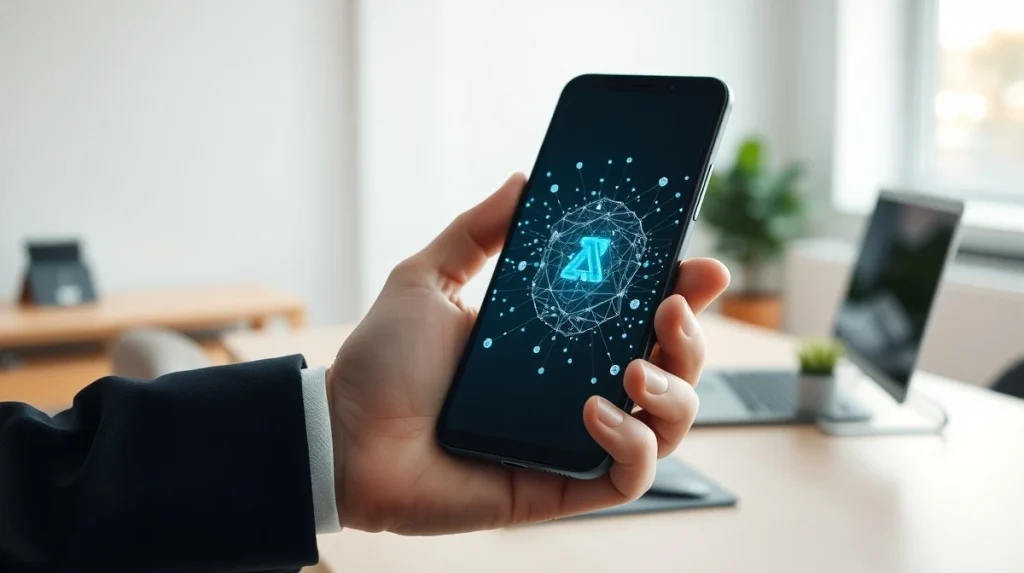
In a significant move for mobile Web3 adoption, Chinese electronics giant Xiaomi has formed a strategic partnership with the Sei blockchain network to pre-install cryptocurrency wallets on approximately 150 million smartphones shipped annually outside the United States and China, a development confirmed in early 2026 that could dramatically lower barriers to digital asset ownership for millions of new users.
Xiaomi Crypto Wallet Strategy Reshapes Mobile Access
Xiaomi, ranked among the world’s top three smartphone vendors by market share, plans to integrate Sei’s native wallet software directly into the device operating system for phones sold across Europe, India, Southeast Asia, Latin America, and other key international markets. Consequently, users will discover a pre-loaded crypto asset management tool upon unboxing their new device. This integration represents a shift from the current norm, where users must manually seek out and download wallet applications from app stores. Industry analysts note this approach mirrors earlier strategies by companies like Samsung, which began including blockchain wallets in 2019, but on a vastly larger scale due to Xiaomi’s shipment volume.
The partnership specifically excludes devices sold in China, where cryptocurrency transactions face stringent regulatory restrictions, and the United States, a market with complex and evolving digital asset regulations. Therefore, the initiative strategically targets regions with growing crypto adoption and fewer regulatory headwinds. This move aligns with a broader industry trend of embedding financial technology directly into hardware, a concept often called “embedded finance” or “DeFi-enabled devices.”
Sei Blockchain Network Demonstrates Explosive Growth
The selection of Sei as Xiaomi’s partner follows a period of remarkable growth for the blockchain platform. Network data from March 2026 shows Sei achieved a 93.5% increase in daily active users over the preceding year. More strikingly, its Total Value Locked (TVL), a key metric measuring the capital deposited within its decentralized finance applications, skyrocketed from approximately $13 million to over $624 million within an 18-month period ending in early 2026. This growth trajectory likely provided Xiaomi with confidence in the network’s stability and user adoption potential.
Furthermore, major cryptocurrency exchange Kraken added support for native USDC and USDT stablecoins on the Sei network in late 2025. This integration allows users to deposit these major stablecoins directly onto Sei without using cross-chain bridges, which can be complex and pose security risks. The Kraken integration provides a crucial, user-friendly on-ramp for converting traditional currency into crypto assets usable within the pre-loaded Xiaomi wallet.
Analyzing the Competitive and Regulatory Landscape
This partnership enters a competitive field where other smartphone manufacturers have made tentative steps into blockchain. For instance, HTC and Samsung have previously released phones with built-in wallet functions. However, Xiaomi’s approach differs by targeting its massive mainstream mid-range device volume rather than a niche, premium product line. The scale of the rollout—150 million devices annually—represents the largest single hardware-based distribution channel for a crypto wallet to date.
Regulatory experts caution that success will depend heavily on local laws in each target market. Jurisdictions like the European Union, with its comprehensive Markets in Crypto-Assets (MiCA) framework, provide clearer rules, while others remain in a state of flux. Xiaomi and Sei must ensure the wallet’s functionality complies with anti-money laundering (AML) and know-your-customer (KYC) regulations in dozens of countries simultaneously, a significant operational challenge.
Technical Implementation and User Experience Focus
The technical implementation will involve the wallet being embedded as a system-level application on compatible Xiaomi devices running MIUI, the company’s Android-based operating system. Reports suggest the wallet will support key functions:
- Asset Management: Secure storage of SEI tokens and other compatible assets.
- Sei DApp Access: A gateway to decentralized applications built on the Sei network.
- Simplified Onboarding: A user interface designed for first-time crypto users.
- Integration with Xiaomi Services: Potential future links to other Mi ecosystem products.
Security remains a paramount concern. The wallet is expected to leverage the smartphone’s built-in secure element or Trusted Execution Environment (TEE) for private key storage, isolating sensitive data from the main operating system. This method aims to provide a balance between security for users’ funds and accessibility for everyday transactions.
Potential Impact on Global Crypto Adoption
The primary impact of this partnership could be a substantial reduction in the technical friction associated with entering the cryptocurrency space. By placing a wallet directly into the hands of users, the need to understand seed phrases, app store risks, and wallet selection is diminished. This could accelerate adoption in emerging markets, where smartphone penetration often outpaces traditional banking access. In these regions, a pre-loaded crypto wallet might serve as a primary tool for savings, remittances, and accessing decentralized financial services.
For the Sei ecosystem, the influx of potential users represents both an opportunity and a test. The network must maintain performance and low transaction costs under potentially significantly higher demand. Its technical architecture, which is optimized for trading applications, will be scrutinized as it scales to accommodate millions of new, possibly less experienced, users from the Xiaomi partnership.
Conclusion
The collaboration between Xiaomi and the Sei blockchain to deploy crypto wallets across 150 million smartphones marks a pivotal moment in the convergence of consumer electronics and decentralized technology. By leveraging Sei’s growing ecosystem and Xiaomi’s immense hardware distribution, this initiative has the potential to onboard a vast new global audience to Web3. Its success will ultimately hinge on seamless user experience, rigorous adherence to diverse international regulations, and the sustained robustness of the underlying Sei network as it scales to meet this unprecedented demand.
FAQs
Q1: Which Xiaomi phones will have the Sei crypto wallet pre-installed?
Reports indicate the wallet will be pre-loaded on new Xiaomi smartphone models sold in global markets outside the U.S. and China, potentially covering a wide range of its mid-range and flagship devices released from 2026 onward.
Q2: Can users remove the Sei wallet if they don’t want it?
While specific details may vary by device and region, pre-installed system applications can typically be disabled by the user, even if not fully uninstalled. Xiaomi will likely provide user controls over the application.
Q3: What cryptocurrencies will the wallet support?
The primary support will be for assets native to the Sei blockchain, such as SEI, and likely major stablecoins like USDC and USDT following Kraken’s integration. Support for other major cryptocurrencies like Bitcoin or Ethereum would require additional cross-chain functionality.
Q4: How does this affect users in the United States or China?
This partnership explicitly excludes devices sold in the United States and China. Phones purchased in those regions will not have the Sei wallet pre-installed due to the distinct regulatory environments for cryptocurrency in both countries.
Q5: Is the pre-loaded wallet safe from hackers?
The wallet is designed to use the smartphone’s hardware-based security features. However, as with any software managing financial assets, security depends on correct implementation, regular updates, and prudent user behavior, such as safeguarding device access.
This article was produced with AI assistance and reviewed by our editorial team for accuracy and quality.