Wrench Attacks Surge: Alarming 75% Rise in Physical Crypto Crime Causes $41M Losses in 2025
February 2025 – A chilling new report from blockchain security firm CertiK reveals a disturbing escalation in physical violence targeting cryptocurrency users, marking a fundamental shift in digital asset security threats. According to their data, so-called wrench attacks—physical assaults, kidnappings, and intimidation tactics aimed at coercing victims into surrendering crypto assets—increased by a staggering 75% from 2024 to 2025, resulting in confirmed losses exceeding $40.9 million. This trend underscores a brutal reality: as digital wealth grows, it attracts increasingly violent offline crime, transforming personal safety into a paramount concern for the global crypto community.
Wrench Attacks: From Niche Threat to Core Vulnerability
CertiK’s 2025 Security Report, released this week, documents 72 verified cases of wrench attacks worldwide. The firm emphasizes these are no longer edge cases but represent a core threat vector within the cryptocurrency ecosystem. Consequently, the psychological and reputational damage is profound. Industry founders and high-net-worth individuals are increasingly adopting operational anonymity and considering geographical relocation as defensive measures. This data indicates a clear inflection point where physical security protocols are becoming as critical as digital ones for safeguarding assets.
Also read: Pi Network KYC Reward Milestone: First Distribution Pays 0.0504 Pi at 21x Rate
Furthermore, the $40.9 million loss figure is likely a significant underestimate. CertiK analysts caution that under-reporting, silent settlements, and untraceable ransom payments obscure the true scale. Many victims, fearing retaliation or further targeting, choose not to involve authorities. This creates a shadow economy of crypto-related violent crime that traditional financial crime statistics fail to capture.
Global Hotspots and High-Profile Cases in 2025
Geographic analysis of the attacks reveals concentrated risk areas. Europe accounted for approximately 40% of all global incidents, with France experiencing the highest number at 19 confirmed attacks. This pattern suggests criminals are targeting regions with both high crypto adoption and relative wealth. The United States and parts of Asia also reported significant clusters of activity.
Also read: Ethereum's Sharp Drop Below $2,100: What Holders Must Understand About the Emerging Opportunity
Several high-profile cases from 2025 illustrate the severity and brutality of this trend:
- January 2025: Ledger founder David Balland and his wife, Amandine, were kidnapped and held for ransom in a case that shocked the industry, highlighting that even prominent, security-conscious figures are vulnerable.
- May 2025: An Italian crypto investor was reportedly kidnapped and tortured during a visit to New York City, demonstrating the transnational nature of these crimes.
- August 2025: SatoshiLabs founder Alena Vranova publicly stated, “Every week, there is a Bitcoiner, at least one in the world, who gets kidnapped, tortured, extorted, and sometimes even worse.” She cited cases ranging from kidnappings for $6,000 in crypto to murders for $50,000.
The Evolving Tactics of Crypto-Focused Criminals
Security experts note an evolution in criminal methodology. Attackers now frequently employ sophisticated surveillance, using social media and public blockchain data to identify and profile potential targets before moving to physical confrontation. Often, they target not just the primary holder but also family members, exploiting emotional apply. The low barrier to tracking large, transparent blockchain transactions, combined with the irreversible nature of crypto transfers, makes these attacks particularly attractive to organized crime groups.
Mitigation Strategies and the Rise of Defensive Technology
In response to this growing menace, the crypto community and security developers are exploring both behavioral and technological countermeasures. The most universally advised strategy remains operational security (OpSec): avoiding public disclosure of crypto holdings, using pseudonyms online, and being cautious about discussing digital wealth.
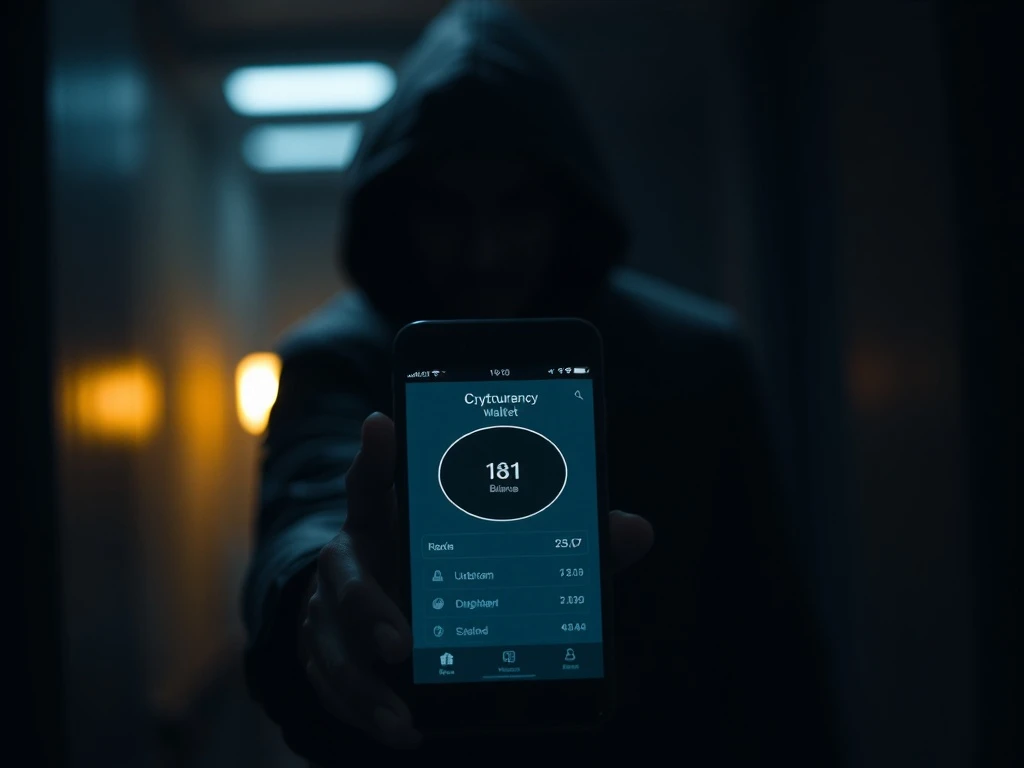
Technologically, there is growing interest in panic wallets or duress wallets. These are smart contract-based wallets designed with emergency features that can be triggered under coercion. Potential functions include:
- Sending a silent alert to pre-designated contacts or authorities.
- Wiping or transferring the real balance to a secure, inaccessible vault.
- Presenting a false, decoy wallet with a small balance to appease attackers.
However, experts like those at CertiK warn that technology alone is insufficient. A comprehensive approach combining privacy, physical awareness, and asset diversification is essential. The industry is also calling for better collaboration with law enforcement agencies to track and prosecute these crimes, though jurisdictional challenges and a general lack of crypto expertise within police forces remain significant hurdles.
Conclusion
The 75% surge in wrench attacks throughout 2025, culminating in over $41 million in losses, signals a dangerous new chapter for cryptocurrency security. It proves that the greatest vulnerabilities may not lie in code, but in the physical world. As CertiK’s report concludes, physical violence has unequivocally become a core threat vector. Moving forward, the industry’s maturity will be measured not only by its financial innovation but also by its ability to protect its participants from this brutal form of predation. For individual holders, the mandate is clear: prioritize personal security with the same rigor applied to private key management.
FAQs
Q1: What exactly is a “wrench attack” in cryptocurrency?
A wrench attack refers to the use of physical force, threats, kidnapping, or torture to coerce someone into surrendering access to their cryptocurrency wallets or private keys. The name derives from the hypothetical threat of being attacked with a wrench unless you hand over your crypto.
Q2: Why are wrench attacks increasing so rapidly?
The increase is driven by the growing value held in cryptocurrencies, the pseudo-anonymous but transparent nature of blockchain transactions (which allows criminals to identify wealthy targets), and the irreversible nature of crypto transfers, which makes theft final for the victim.
Q3: Which countries have the highest risk of wrench attacks?
According to 2025 data, France recorded the highest number of incidents, with Europe as a whole accounting for about 40% of global attacks. However, cases have been reported worldwide, including in the United States and parts of Asia, often targeting areas with high crypto adoption.
Q4: What can I do to protect myself from a wrench attack?
Key steps include practicing good operational security (not discussing holdings publicly), using strong pseudonyms online, diversifying storage solutions, being aware of your surroundings, and considering advanced tools like multi-signature wallets or (where available) panic wallet features.
Q5: Are hardware wallets effective against wrench attacks?
Hardware wallets protect against remote digital theft but do not directly protect against physical coercion. In fact, if an attacker has physical control over you, they can force you to use your hardware wallet to transfer funds. This is why behavioral security and planning for duress scenarios are critical complementary measures.

This article was produced with AI assistance and reviewed by our editorial team for accuracy and quality.