Water Quality Sensor Selection and Maintenance: The Essential Guide for Accurate Monitoring
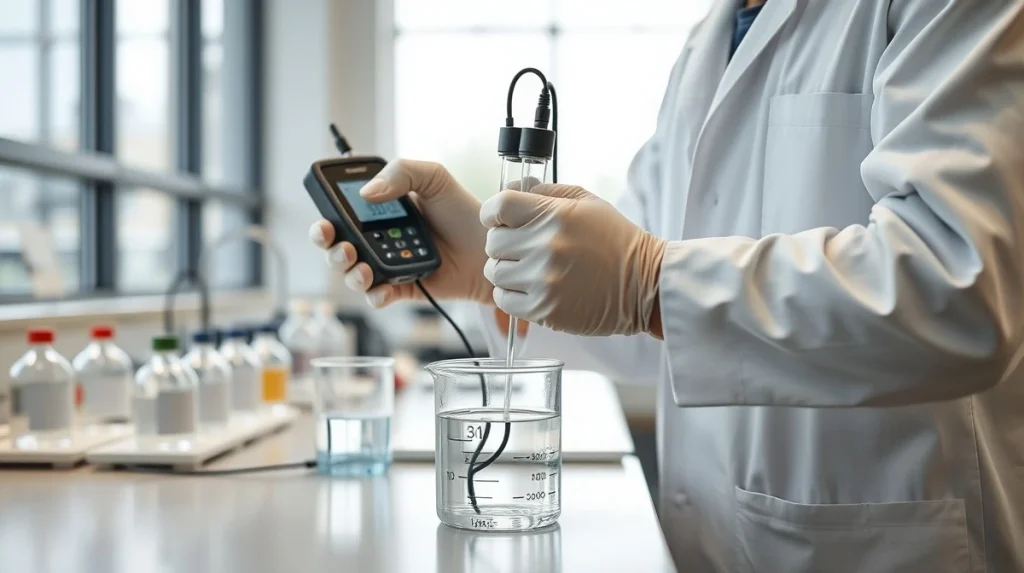
Accurate water quality monitoring depends on selecting the right sensors and maintaining them properly. As communities and industries face increasing water challenges, reliable sensor technology becomes critical for protecting public health and environmental integrity. This comprehensive guide examines the essential considerations for choosing and maintaining water quality sensors, based on current industry standards and practical field experience.
Understanding Water Quality Sensor Fundamentals
Water quality sensors measure specific parameters in aquatic environments. These instruments detect physical, chemical, and biological characteristics that indicate water health. Common measurements include pH, dissolved oxygen, conductivity, turbidity, and temperature. Each parameter requires specialized sensing technology with unique maintenance needs. For instance, pH sensors use glass electrodes that need regular calibration, while optical dissolved oxygen sensors require membrane maintenance. Understanding these fundamental differences helps users select appropriate equipment for their specific monitoring needs.
Also read: M Series ANC Token Presale Launches with Detailed Vesting
Sensor technology has evolved significantly in recent years. Traditional electrodes now compete with optical sensors, solid-state devices, and spectroscopic methods. Each technology offers distinct advantages for different applications. Optical sensors, for example, provide stable readings without frequent calibration but may require more careful cleaning. Meanwhile, electrochemical sensors offer rapid response times but need regular electrolyte replacement. The selection process must balance accuracy requirements, maintenance capabilities, and environmental conditions.
Key Selection Criteria for Water Quality Sensors
Choosing appropriate water quality sensors involves evaluating several critical factors. First, consider the specific parameters requiring measurement. Different applications demand different sensor combinations. Drinking water monitoring typically focuses on pH, chlorine, and turbidity, while wastewater treatment emphasizes dissolved oxygen and nutrient levels. Second, assess the deployment environment. Will sensors operate in flowing water, stagnant conditions, or harsh industrial settings? Environmental factors determine necessary durability and protection ratings.
Also read: Pepeto Presale Attracts Investor Interest Amid Meme Coin Rally
Technical Specifications and Performance Requirements
Technical specifications directly impact sensor performance and maintenance needs. Key specifications include measurement range, accuracy, resolution, and response time. For example, a pH sensor with ±0.01 pH accuracy requires more frequent calibration than one with ±0.1 pH accuracy. Similarly, sensors with faster response times often need more maintenance to maintain performance. Consider also the sensor’s operating temperature range, pressure rating, and compatibility with existing monitoring systems. These factors influence both initial selection and long-term maintenance requirements.
Power requirements represent another critical consideration. Some sensors operate on battery power for remote deployments, while others require continuous electrical supply. Low-power sensors typically offer longer deployment periods between maintenance but may sacrifice some measurement capabilities. Additionally, evaluate data output options. Modern sensors often provide digital outputs compatible with various data loggers and telemetry systems, simplifying integration into comprehensive monitoring networks.
Essential Maintenance Practices for Reliable Results
Proper maintenance ensures water quality sensors deliver accurate, consistent measurements over time. Maintenance routines vary by sensor type but generally include cleaning, calibration, and component replacement. Regular cleaning prevents biofilm formation and mineral deposits that interfere with measurements. Use appropriate cleaning solutions based on the sensor materials and deployment environment. For example, optical sensors require gentle cleaning to avoid scratching sensitive surfaces, while electrode-based sensors may need more aggressive cleaning to remove deposits.
Calibration represents the most critical maintenance activity. Most water quality sensors require periodic calibration against known standards to maintain accuracy. The calibration frequency depends on sensor type, measurement importance, and environmental conditions. High-accuracy applications may require daily calibration, while general monitoring might allow weekly or monthly intervals. Always follow manufacturer recommendations for calibration procedures and use certified calibration standards. Document all calibration activities to establish maintenance history and identify performance trends.
Common Maintenance Challenges and Solutions
Field-deployed water quality sensors face numerous maintenance challenges. Biofouling, where biological growth accumulates on sensor surfaces, represents a persistent problem in many aquatic environments. Regular cleaning and anti-fouling coatings can mitigate this issue. Another common challenge involves reference electrode poisoning in pH and ORP sensors, where contaminants affect measurement accuracy. Regular electrolyte replacement and proper storage help prevent this problem. For conductivity sensors, electrode polarization and coating require attention through appropriate cleaning and calibration.
Environmental factors also impact maintenance requirements. Sensors in saltwater environments need more frequent cleaning due to salt deposition. Similarly, sensors in wastewater treatment plants face challenges from grease, solids, and chemical interference. Understanding these environmental influences helps develop effective maintenance schedules. Some advanced sensors now incorporate self-cleaning mechanisms or diagnostic features that alert users to maintenance needs, reducing unexpected failures and data gaps.
Sensor Deployment and Integration Considerations
Proper deployment significantly affects both sensor performance and maintenance requirements. Consider deployment depth, flow conditions, and accessibility when installing water quality sensors. Sensors placed in areas with adequate flow typically experience less fouling than those in stagnant water. However, high-flow environments may require protective housings to prevent physical damage. Accessibility for maintenance represents another essential factor. Sensors installed in difficult-to-reach locations may suffer from neglected maintenance, compromising data quality.
Integration with monitoring systems completes the deployment process. Modern water quality sensors often connect to data loggers, telemetry systems, or supervisory control systems. Proper integration ensures reliable data collection and transmission. Consider communication protocols, power requirements, and data storage capabilities during integration planning. Many systems now offer remote monitoring capabilities, allowing maintenance alerts and performance diagnostics without physical site visits. This remote capability proves particularly valuable for sensors deployed in challenging or hazardous environments.
Industry Standards and Regulatory Compliance
Water quality monitoring often operates within regulatory frameworks requiring specific sensor performance and maintenance standards. Various organizations establish guidelines for water quality measurement, including the Environmental Protection Agency, International Organization for Standardization, and American Public Health Association. These standards specify calibration frequencies, accuracy requirements, and maintenance procedures for different applications. Compliance with relevant standards ensures data acceptance for regulatory reporting and decision-making.
Quality assurance and quality control programs form essential components of compliant monitoring systems. These programs typically include regular performance checks, calibration verification, and preventive maintenance schedules. Documentation proves key for demonstrating compliance during audits or inspections. Many organizations implement sensor management software to track maintenance activities, calibration results, and performance history. This systematic approach supports both regulatory compliance and operational efficiency.
Emerging Technologies and Future Trends
Water quality sensor technology continues advancing with several promising developments. Miniaturization enables more compact sensors suitable for diverse deployment scenarios. Wireless communication capabilities allow real-time data transmission and remote diagnostics. Some newer sensors incorporate multiple measurement capabilities in single packages, reducing maintenance complexity. Additionally, advanced materials improve sensor durability and resistance to fouling, extending maintenance intervals.
Artificial intelligence and machine learning applications represent another significant trend. These technologies can predict maintenance needs based on sensor performance patterns, enabling proactive rather than reactive maintenance. Some systems now analyze sensor data to identify calibration drift or component degradation before they affect measurement accuracy. These predictive capabilities help optimize maintenance schedules and reduce unexpected sensor failures.
Conclusion
Effective water quality monitoring relies on appropriate sensor selection and consistent maintenance practices. The selection process must consider measurement requirements, environmental conditions, and technical specifications. Meanwhile, maintenance programs should address cleaning, calibration, and component replacement based on sensor type and deployment environment. By following established guidelines and adapting to specific circumstances, users can ensure reliable water quality data for decision-making. As technology advances, new solutions will continue improving both sensor performance and maintenance efficiency, supporting better water management worldwide.
FAQs
Q1: How often should water quality sensors be calibrated?
Calibration frequency depends on sensor type, accuracy requirements, and environmental conditions. Most manufacturers recommend calibration at least monthly for critical measurements, though some applications may require weekly or even daily calibration. Always follow manufacturer guidelines and adjust based on performance verification results.
Q2: What are the most common causes of sensor failure?
Common failure causes include biofouling, reference electrode poisoning, physical damage, and electronic component failure. Proper maintenance, appropriate deployment, and regular performance checks can prevent most failures. Environmental factors like extreme temperatures or corrosive substances also contribute to sensor degradation.
Q3: Can water quality sensors operate continuously without maintenance?
No water quality sensor operates indefinitely without maintenance. Even the most solid sensors require periodic cleaning, calibration, and component replacement. Maintenance intervals vary from days to months depending on sensor technology and deployment conditions. Regular maintenance ensures accurate measurements and extends sensor lifespan.
Q4: How do I choose between different sensor technologies for the same parameter?
Evaluate measurement requirements, maintenance capabilities, environmental conditions, and cost considerations. Optical sensors generally require less frequent calibration but may need more careful cleaning. Electrochemical sensors offer rapid response but need regular electrolyte replacement. Consider your specific application requirements and available maintenance resources.
Q5: What documentation should I maintain for water quality sensors?
Maintain records of all calibrations, maintenance activities, performance checks, and repairs. Include dates, personnel, procedures followed, and results obtained. This documentation supports quality assurance programs, regulatory compliance, and troubleshooting efforts. Many organizations use digital systems to track sensor history and schedule future maintenance.

This article was produced with AI assistance and reviewed by our editorial team for accuracy and quality.