Samourai Wallet BTC Seizure: US Government Confirms No Sale of Confiscated Bitcoin Assets
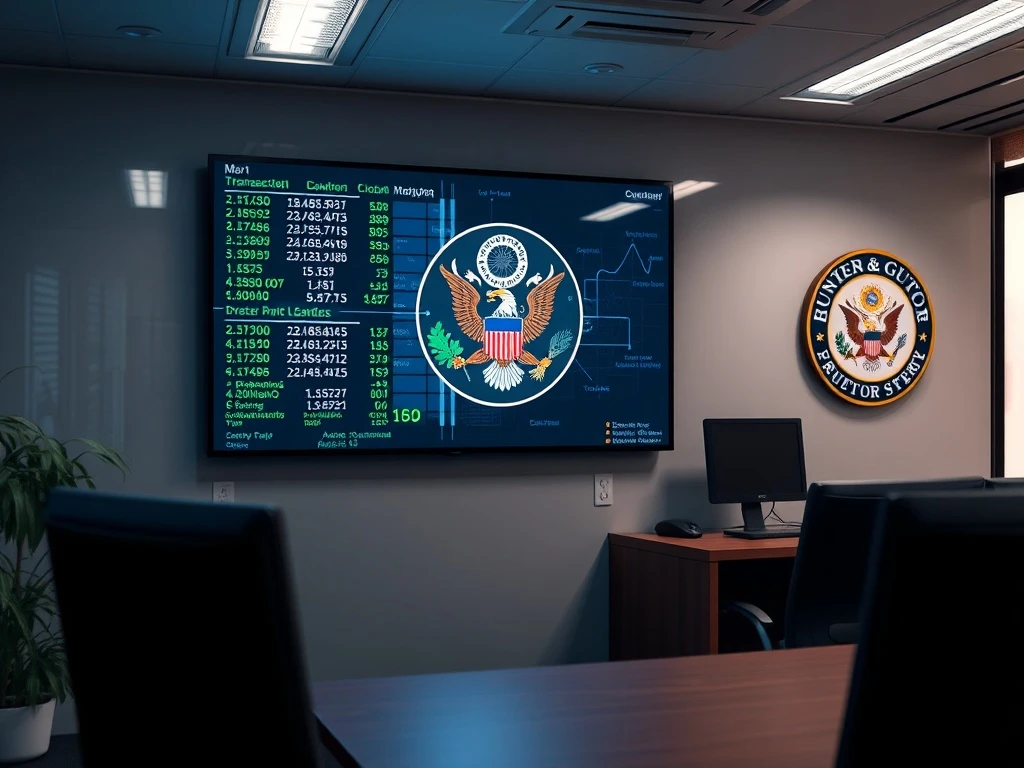
WASHINGTON, D.C. – April 2025 – In a significant clarification regarding digital asset seizures, a U.S. official has confirmed that Bitcoin confiscated from the Samourai Wallet mixing service remains unsold. This statement directly addresses recent market speculation and provides crucial insight into evolving government cryptocurrency policy. The announcement comes amid heightened scrutiny of how authorities handle seized digital currencies, a topic of intense interest for investors and regulators worldwide.
Samourai Wallet BTC Seizure: Official Clarification and Policy Framework
Patrick Witt, Executive Secretary of the White House Cryptocurrency Advisory Committee, recently provided definitive clarification about the status of seized Samourai Wallet Bitcoin. Through a public post on social media platform X, Witt stated he confirmed with the Department of Justice that these digital assets have not been liquidated. Furthermore, he emphasized these assets will not be sold in the future, citing compliance with an existing executive order. This announcement follows earlier media reports suggesting the U.S. Marshals Service had sold approximately 57.55 BTC from the seizure, reports that prompted concern from cryptocurrency advocates including Senator Cynthia Lummis.
Also read: Bitcoin Capital Rotation Triggers Critical Signal, Points to $41,400 Price Floor
The government’s position represents a notable shift in how authorities manage confiscated cryptocurrency assets. Historically, seized digital currencies often entered auction processes managed by agencies like the U.S. Marshals Service. However, the current approach indicates a more strategic retention policy. According to Witt’s statement, the seized assets will remain on the U.S. government’s balance sheet as part of a Special Blockchain Account (SBR). This specialized accounting mechanism appears designed for long-term holding of significant cryptocurrency seizures.
Understanding the Samourai Wallet Case and Bitcoin Mixing Services
Samourai Wallet operated as a cryptocurrency mixing service, a type of platform designed to enhance transaction privacy by obfuscating the trail of Bitcoin transactions. Law enforcement agencies globally have increasingly targeted such services, alleging they facilitate money laundering and illicit financial activities. The U.S. government’s seizure of Samourai Wallet assets occurred as part of broader enforcement actions against privacy-focused cryptocurrency tools. These actions reflect ongoing tensions between financial privacy advocates and regulatory compliance requirements.
Bitcoin mixing services like Samourai Wallet utilize sophisticated algorithms to combine multiple cryptocurrency transactions. This process makes tracing individual transactions significantly more challenging. While proponents argue these services protect legitimate financial privacy, regulators contend they enable criminal enterprises to conceal illicit proceeds. The Samourai Wallet case exemplifies this regulatory conflict, with implications extending far beyond this specific seizure.
Historical Context of Government Cryptocurrency Seizures
The U.S. government’s approach to seized digital assets has evolved considerably since early Bitcoin confiscations. Initially, authorities treated cryptocurrency seizures similarly to physical asset forfeitures, often liquidating holdings through public auctions. However, as cryptocurrency values have appreciated and market volatility has increased, this approach has faced criticism. Some experts argue that large-scale government sales could negatively impact market prices, creating unintended economic consequences.
Recent years have seen several high-profile cryptocurrency seizures by U.S. authorities:
- Silk Road Bitcoin seizures: Early cases involving dark web marketplaces
- Bitfinex hack recovery: Return of stolen Bitcoin to affected users
- Various exchange seizures: Actions against allegedly non-compliant platforms
These cases have established important precedents for how authorities handle digital asset confiscations. The Samourai Wallet situation represents the latest development in this evolving legal and financial landscape.
The Special Blockchain Account: A New Approach to Asset Management
The Special Blockchain Account (SBR) mentioned in Witt’s announcement represents an innovative approach to government cryptocurrency management. While specific operational details remain limited, this mechanism appears designed to securely hold significant digital asset reserves without immediate liquidation. This approach offers several potential advantages for government agencies managing seized cryptocurrencies.
Key characteristics of the Special Blockchain Account likely include:
- Secure storage protocols: Advanced cryptographic security measures
- Transparent accounting: Publicly verifiable blockchain addresses
- Long-term holding strategy: Avoidance of market-disrupting sales
- Regulatory compliance: Adherence to existing financial regulations
This specialized account structure may serve as a model for how other governments approach cryptocurrency seizures. By maintaining assets rather than immediately selling them, authorities can avoid accusations of market manipulation while preserving asset value for potential future uses, including victim restitution or government blockchain initiatives.
Market Impact and Regulatory Implications
The confirmation that Samourai Wallet Bitcoin remains unsold carries significant implications for cryptocurrency markets and regulatory policy. Market analysts had expressed concern that large government sales could create downward pressure on Bitcoin prices. By clarifying that no sale has occurred or will occur, authorities have alleviated these immediate market concerns. However, the long-term implications of government-held cryptocurrency reserves remain subject to ongoing analysis.
From a regulatory perspective, this approach suggests authorities are developing more sophisticated frameworks for digital asset management. Rather than treating cryptocurrency as merely another form of seized property, agencies appear to recognize its unique characteristics and market sensitivities. This nuanced understanding represents progress in government cryptocurrency policy, though many questions remain unanswered about long-term strategies for these holdings.
Political Response and Legislative Considerations
The initial reports about potential Samourai Wallet Bitcoin sales prompted swift political response, particularly from cryptocurrency-friendly legislators. Senator Cynthia Lummis, a prominent advocate for clear digital asset regulation, expressed concern about the potential market impact of government cryptocurrency sales. Her response highlights growing political attention to how authorities manage seized digital assets, an issue that intersects with broader debates about cryptocurrency regulation and financial innovation.
Legislative proposals currently under consideration could further clarify government policies regarding seized cryptocurrencies. These proposals generally aim to establish clear guidelines for when and how authorities should liquidate digital assets, balancing law enforcement needs with market stability concerns. The Samourai Wallet case will likely inform these legislative discussions, providing concrete examples of the challenges and opportunities associated with government cryptocurrency holdings.
Comparative analysis of international approaches reveals varying strategies:
| Country | Seizure Policy | Liquidation Approach |
|---|---|---|
| United States | Case-by-case determination | Increasing retention in special accounts |
| United Kingdom | Regular asset forfeiture | Immediate conversion to fiat currency |
| Japan | Strict regulatory compliance | Return to victims when possible |
| Switzerland | Privacy-focused approach | Limited public information available |
These international differences highlight the ongoing global debate about appropriate cryptocurrency seizure policies. The U.S. approach, as demonstrated in the Samourai Wallet case, appears to be evolving toward greater retention and strategic management of significant digital asset holdings.
Conclusion
The confirmation that seized Samourai Wallet BTC remains unsold represents a significant development in government cryptocurrency policy. This clarification addresses market concerns while revealing new approaches to digital asset management through Special Blockchain Accounts. As authorities continue to seize cryptocurrencies in enforcement actions, their handling of these assets will remain closely watched by markets, legislators, and regulatory observers. The Samourai Wallet case provides important insights into how governments are adapting to the unique challenges posed by digital asset seizures, balancing law enforcement objectives with market stability considerations. This evolving policy landscape will continue to shape cryptocurrency regulation and enforcement for years to come.
FAQs
Q1: What is Samourai Wallet and why was it seized?
Samourai Wallet was a Bitcoin mixing service that authorities alleged facilitated money laundering. U.S. law enforcement seized its assets as part of actions against platforms they believe enable illicit financial activities.
Q2: How much Bitcoin was seized from Samourai Wallet?
While exact totals remain undisclosed, media reports indicated approximately 57.55 BTC was involved in the seizure that prompted initial sale concerns, though the total seizure may have been larger.
Q3: What is a Special Blockchain Account (SBR)?
A Special Blockchain Account appears to be a government mechanism for securely holding seized cryptocurrency assets without immediate liquidation, though specific operational details remain limited.
Q4: Why would the government choose not to sell seized Bitcoin?
Authorities may retain seized Bitcoin to avoid market disruption, preserve asset value for potential future uses, or comply with executive orders regarding digital asset management.
Q5: How does this case affect broader cryptocurrency regulation?
The Samourai Wallet case demonstrates evolving government approaches to digital asset seizures, potentially influencing future regulatory frameworks and enforcement strategies across the cryptocurrency sector.

This article was produced with AI assistance and reviewed by our editorial team for accuracy and quality.