Upbit’s Strategic WCT Circulation Shift: 8.2M Token Increase Sparks Market Analysis
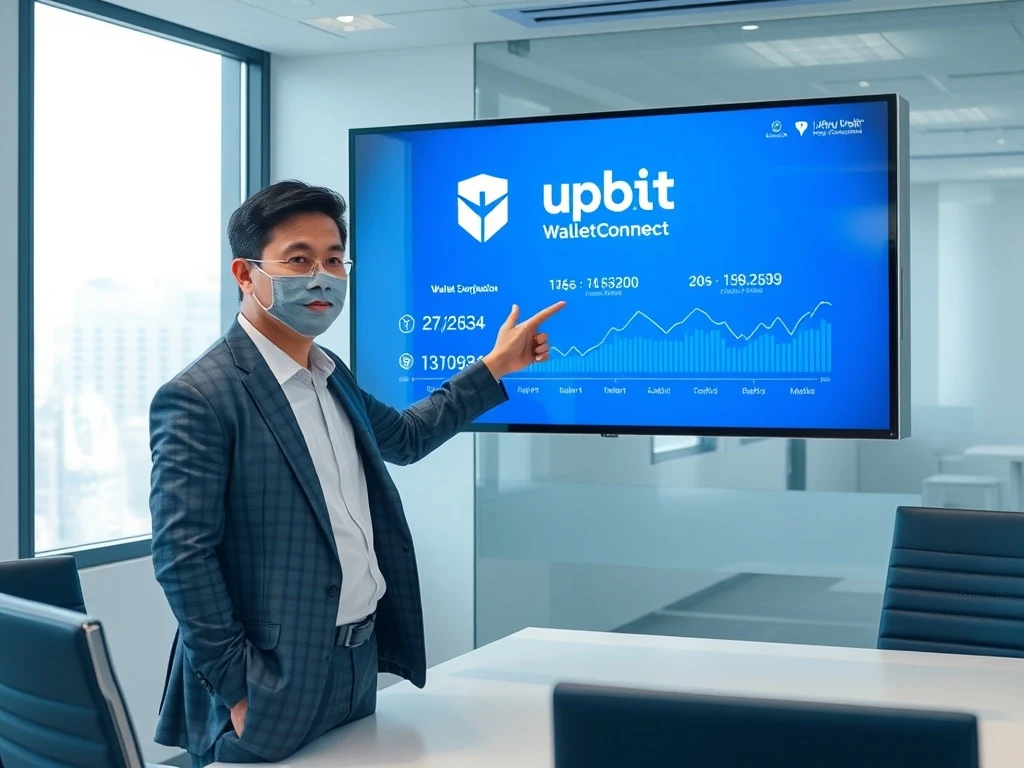
SEOUL, South Korea – In a significant development for cryptocurrency investors, leading South Korean exchange Upbit has implemented a substantial revision to WalletConnect’s (WCT) token circulation strategy, increasing first-quarter supply by 8.2 million tokens and prompting immediate market analysis. This adjustment, requested by the WalletConnect project team, represents one of the most notable tokenomics changes in the Asian cryptocurrency sector this quarter, potentially influencing trading patterns and investor strategies across multiple exchanges.
Upbit’s WCT Circulation Plan: Detailed Breakdown
Upbit officially confirmed the circulation plan modification on Tuesday, following a formal request from the WalletConnect development team. The exchange’s transparency report reveals precise numerical adjustments that market analysts immediately scrutinized. According to verified data from Crypto News Insights, the planned supply for Q1 2025 increased from 351,144,932 WCT to 359,328,670 WCT. This represents a 2.33% increase in circulating tokens for the current quarter. Furthermore, Upbit disclosed that second-quarter circulating supply currently stands at 405,955,682 WCT, providing investors with forward-looking visibility into token availability.
The exchange emphasized that this adjustment follows standard protocol for project-requested changes. Upbit maintains rigorous review processes for such modifications, ensuring compliance with South Korea’s Financial Services Commission regulations. Market observers note that transparent communication about supply changes helps maintain market integrity. This practice contrasts with less regulated exchanges that sometimes implement changes without adequate disclosure.
Tokenomics Implications and Market Context
Token circulation plans fundamentally influence cryptocurrency valuation through basic economic principles of supply and demand. When projects increase circulating supply without corresponding demand growth, token values typically face downward pressure. However, context matters significantly. WalletConnect’s infrastructure token serves specific utility functions within the Web3 ecosystem, potentially mitigating pure speculative impacts.
Also read: Bitcoin Treasury Companies Face New Pressure as US-Iran Tensions Shift
Industry analysts reference several comparable cases from 2024:
- Polygon MATIC adjustments: Similar circulation plan changes resulted in temporary volatility followed by stabilization
- Chainlink LINK releases: Gradual supply increases aligned with network growth objectives
- Asian exchange precedents: Bithumb and Korbit have implemented comparable adjustments with varying market responses
WalletConnect’s position as a critical Web3 infrastructure provider adds complexity to the analysis. The protocol facilitates connections between decentralized applications and crypto wallets, meaning token utility extends beyond speculative trading. Increased circulation might support broader network participation rather than simply diluting value.
South Korean Regulatory Framework and Exchange Compliance
Upbit operates within one of the world’s most structured cryptocurrency regulatory environments. South Korea’s specific reporting requirements for token supply changes mandate detailed disclosures like this announcement. The Financial Services Commission (FSC) and Financial Intelligence Unit (FIU) monitor such adjustments for potential market manipulation risks. Consequently, Upbit’s transparent communication aligns with regulatory expectations while serving investor interests.
Recent regulatory developments further contextualize this announcement. South Korea’s Virtual Asset User Protection Act, fully implemented in 2024, establishes clear guidelines for exchange operations. The legislation requires exchanges to:
- Maintain transparent token listing and delisting criteria
- Disclose material changes to token economics promptly
- Implement safeguards against unfair trading practices
- Provide adequate investor education about risks
Upbit’s compliance with these requirements demonstrates the exchange’s commitment to regulatory standards. Market observers note that such transparency ultimately strengthens investor confidence in South Korea’s cryptocurrency ecosystem.
Comparative Analysis with Global Exchanges
When examining circulation plan adjustments globally, distinct regional approaches emerge. North American exchanges like Coinbase typically announce similar changes through formal blog posts and regulatory filings. European platforms often incorporate such information into quarterly financial reports. Asian exchanges, particularly in South Korea and Japan, frequently use real-time announcements to ensure immediate market awareness.
The table below illustrates different disclosure approaches:
| Exchange | Region | Typical Disclosure Method | Timeline |
|---|---|---|---|
| Upbit | South Korea | Real-time announcement + regulatory filing | Immediate |
| Coinbase | United States | Blog post + SEC filing | Within 24 hours |
| Binance | Global | Support page update + tweet | Variable |
| Bitflyer | Japan | Official notice + FSA notification | Immediate |
These methodological differences reflect varying regulatory requirements and market expectations. South Korea’s approach emphasizes immediacy and accessibility for retail investors who dominate trading volumes.
WalletConnect Project Development and Roadmap Alignment
The circulation plan adjustment coincides with WalletConnect’s broader development trajectory. The project recently announced several technical upgrades and partnership expansions. Increased token circulation might support these initiatives by providing additional resources for network development and community incentives. Project roadmaps often include planned token releases aligned with specific milestones, suggesting this adjustment follows predetermined strategy rather than reactive decision-making.
WalletConnect’s growing adoption metrics provide important context. The protocol now facilitates over 5 million monthly connections across more than 450 integrated wallets and 1,800 applications. This substantial ecosystem growth creates natural demand for WCT tokens beyond speculative trading. Tokens serve specific functions within the network, including governance participation and premium feature access. Consequently, increased circulation might support broader utility rather than simply increasing trading supply.
Historical data from similar infrastructure tokens suggests careful analysis is warranted. When Ethereum’s EIP-1559 implementation changed fee dynamics, related token adjustments produced complex market responses. Similarly, Polkadot’s parachain auction mechanisms created predictable token release patterns that markets gradually incorporated into pricing models. WalletConnect’s adjustment likely follows comparable strategic planning rather than arbitrary decision-making.
Investor Considerations and Market Response
Initial market response to Upbit’s announcement showed measured trading activity. Experienced investors typically analyze several factors when evaluating circulation changes:
- Percentage increase relative to total supply: The 2.33% Q1 adjustment represents moderate inflation
- Project fundamentals: WalletConnect’s growing adoption may absorb additional supply
- Exchange positioning: Upbit’s dominant South Korean market share influences local trading patterns
- Regulatory environment: South Korea’s structured framework reduces uncertainty
- Global market conditions: Broader cryptocurrency trends provide important context
Seasoned traders often employ specific strategies when facing token supply changes. Some increase position sizes gradually to average entry points, while others wait for market stabilization before making significant moves. Long-term investors typically focus more on project fundamentals than short-term supply fluctuations, provided changes align with announced roadmaps and transparent communication continues.
Conclusion
Upbit’s WCT circulation plan adjustment represents a significant but strategically planned development in WalletConnect’s tokenomics evolution. The 8.2 million token increase for Q1 2025, alongside confirmed Q2 circulation figures, provides investors with enhanced visibility into supply dynamics. This transparent approach aligns with South Korea’s rigorous regulatory standards while supporting informed investment decisions. As the cryptocurrency market continues maturing, such methodical disclosures likely will become increasingly standard across global exchanges, ultimately benefiting ecosystem participants through reduced information asymmetry and enhanced market integrity.
FAQs
Q1: What exactly changed in Upbit’s WCT circulation plan?
The planned circulating supply for WalletConnect (WCT) tokens increased by 8,183,738 tokens for Q1 2025, from 351,144,932 to 359,328,670 WCT. Upbit also confirmed Q2 2025 circulation at 405,955,682 WCT.
Q2: Why did Upbit make this circulation adjustment?
Upbit implemented the change at WalletConnect’s request, following the project’s strategic planning. The exchange reviewed and approved the adjustment according to standard protocols and regulatory requirements.
Q3: How does this affect WCT token value?
Increased circulating supply typically creates downward price pressure if demand remains constant. However, WalletConnect’s growing adoption and utility functions might mitigate pure inflationary effects. Market response depends on multiple factors beyond supply alone.
Q4: Is this type of adjustment common for cryptocurrency projects?
Yes, projects frequently adjust token circulation plans as they evolve. Transparent exchanges like Upbit disclose these changes promptly, while less regulated platforms might implement adjustments with less visibility.
Q5: What should investors consider when evaluating this change?
Investors should analyze the percentage increase relative to total supply, project fundamentals and adoption trends, exchange credibility, regulatory context, and broader market conditions before making investment decisions.

This article was produced with AI assistance and reviewed by our editorial team for accuracy and quality.