UHP600 Graphite Electrode Launch Revolutionizes Steelmaking Efficiency
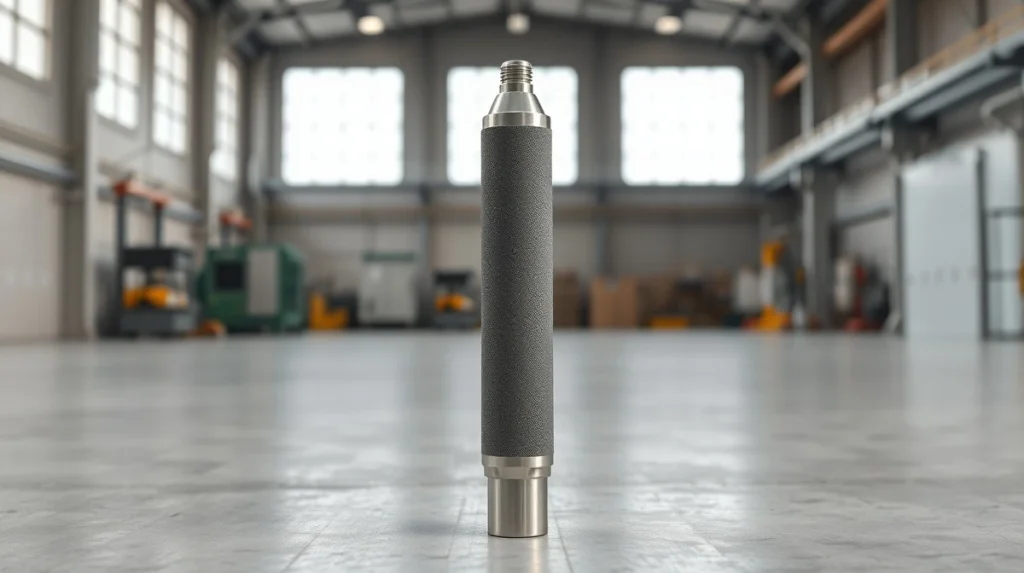
The global steel industry is witnessing a significant materials advancement with the commercial launch of the UHP600 graphite electrode, a development set to enhance electric arc furnace (EAF) operations worldwide as of March 2026.
UHP600 Graphite Electrode Defines New Performance Benchmarks
Graphite electrodes are critical consumables in electric arc furnace steelmaking. They conduct the electrical energy required to melt scrap metal at temperatures exceeding 3,000°C. The new UHP600 classification represents the latest evolution in Ultra High Power electrode technology. Manufacturers have engineered this grade to address persistent challenges in modern, high-intensity EAF operations. Consequently, the launch marks a tangible step forward in industrial material science.
Also read: M Series ANC Token Presale Launches with Detailed Vesting
The primary improvements center on three core parameters: thermal shock resistance, oxidation resistance, and mechanical strength. Enhanced thermal shock resistance allows the UHP600 to withstand the rapid temperature fluctuations inherent in EAF cycling more effectively. This directly translates to reduced breakage and spalling during operation. Furthermore, improved oxidation resistance slows the rate of sidewall consumption, a major factor in electrode cost per ton of steel produced.
Technical Specifications and Comparative Advantages
The UHP600’s specifications are designed for the most demanding furnace practices. Key performance indicators show measurable gains over the previous UHP500 standard. For instance, the allowable current density has increased, permitting more efficient power input. The flexural strength, a critical measure of durability, has also seen a notable improvement. These are not theoretical gains; they are based on rigorous plant trials conducted throughout 2025.
Also read: Pepeto Presale Attracts Investor Interest Amid Meme Coin Rally
Driving Forces Behind the Innovation
Market demands are the clear driver for this launch. The global push for greener steel production favors EAF technology, which uses recycled scrap and generally has a lower carbon footprint than traditional blast furnaces. As EAFs aim for shorter tap-to-tap times and higher productivity, the electrodes must keep pace. The UHP600 is a direct response to this industrial need. It enables furnaces to operate at higher power levels without compromising electrode life, thereby supporting both economic and environmental goals.
Supply chain considerations also played a role. The graphite electrode market has experienced volatility in recent years. Advancements like the UHP600 that extend electrode lifespan can help stabilize consumption patterns and improve planning for steel producers. This creates a more predictable operational cost structure, which is vital for long-term project viability.
Impact on Steel Production Economics
The economic argument for adopting UHP600 electrodes is compelling. While the upfront cost per electrode may be higher, the total cost-in-use is projected to be lower. This calculation factors in several variables. Reduced consumption rates mean fewer electrode changes per operating campaign. Fewer changes lead to less downtime and higher furnace availability. Additionally, lower breakage rates decrease the risk of costly furnace damage and production delays.
Industry analysis suggests the return on investment for steelmakers will be most apparent in high-productivity mini-mills. These facilities run their EAFs aggressively and stand to gain the most from enhanced electrode performance. The technology also supports the trend toward larger furnace sizes, which require electrodes that can maintain integrity under greater physical and thermal loads.
Future Outlook and Industry Adoption
Initial adoption of the UHP600 is expected to be gradual, following the standard technology integration cycle in heavy industry. Early adopters will likely be tier-one steel producers with dedicated R&D teams focused on process optimization. Broader market penetration will depend on the publication of verified performance data from these first users. The success of this product will also hinge on the manufacturing capacity of electrode producers to consistently meet the tighter quality specifications required for the UHP600 grade.
The development signals ongoing innovation in foundational industrial materials. It demonstrates that even mature components like graphite electrodes are subject to continuous improvement. This progress is essential for the steel industry’s evolution, particularly as it seeks to reduce its environmental impact while maintaining economic competitiveness.
Conclusion
The launch of the UHP600 graphite electrode represents a meaningful advance in materials technology for electric arc furnace steelmaking. By offering improved durability, efficiency, and operational stability, it sets a new standard for a critical industrial consumable. As steel producers globally strive for greater sustainability and productivity, innovations like the UHP600 electrode will play a key role in shaping the future of metal production.
FAQs
Q1: What does “UHP” stand for in UHP600 graphite electrode?
UHP stands for “Ultra High Power.” It is a classification for graphite electrodes designed to handle very high current densities and intense operating conditions in modern electric arc furnaces.
Q2: How does the UHP600 differ from previous electrode grades?
The UHP600 offers enhanced thermal shock resistance, oxidation resistance, and mechanical strength compared to earlier grades like UHP500. These improvements aim to reduce consumption rates, minimize breakage, and support higher-power furnace operations.
Q3: What is the primary application for graphite electrodes?
Graphite electrodes are primarily used in electric arc furnace (EAF) steelmaking. They conduct the electrical current that generates the arc to melt scrap steel, operating in extremely high-temperature environments.
Q4: Why is electrode performance important for steelmaking economics?
Electrode performance directly impacts production costs and efficiency. Longer-lasting, more durable electrodes reduce consumption, lower downtime for changes, decrease the risk of furnace damage, and improve overall furnace productivity.
Q5: Does this innovation support environmental goals in steel production?
Yes, indirectly. By improving the efficiency and reliability of electric arc furnaces—which primarily use recycled scrap metal—advancements in electrode technology support the shift toward lower-carbon steel production methods compared to traditional blast furnaces.

This article was produced with AI assistance and reviewed by our editorial team for accuracy and quality.