Tungsten Prices Surge 600% in One Year: The Critical Supply Crisis Explained
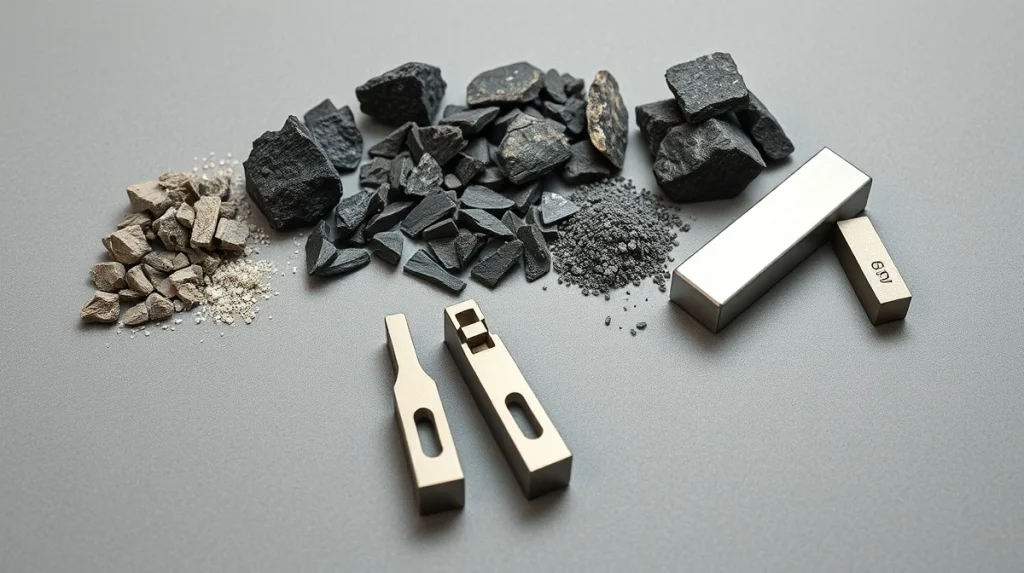
The global tungsten market has experienced an rare price shock, with costs soaring approximately 600% over the past twelve months. This dramatic increase, documented through March 2026, represents one of the most significant commodity price movements in recent industrial history. Market analysts attribute this surge to a perfect storm of supply constraints, escalating industrial demand, and geopolitical factors reshaping critical mineral supply chains.
Tungsten Price Surge: Analyzing the Market Data
Market data from the London Metal Exchange and Asian Metal shows tungsten concentrate prices climbing from approximately $250 per metric ton unit in early 2025 to over $1,500 by March 2026. This sixfold increase has sent shockwaves through manufacturing sectors worldwide. The price movement follows a period of relative stability, making the sudden escalation particularly disruptive for industries dependent on this critical material.
Also read: M Series ANC Token Presale Launches with Detailed Vesting
Several key factors have converged to create this market situation. First, production disruptions at major mines have constrained global supply. Second, industrial demand has accelerated beyond previous projections. Third, inventory drawdowns during previous years left minimal buffer stocks. Finally, transportation and processing bottlenecks have exacerbated existing shortages.
Supply Constraints and Production Challenges
Tungsten production faces significant geographical concentration challenges. China historically accounts for approximately 80% of global tungsten supply, creating inherent vulnerability in the supply chain. Recent environmental regulations and production quotas in key producing regions have further restricted output. Meanwhile, production increases from alternative sources have proven insufficient to offset these reductions.
Also read: Pepeto Presale Attracts Investor Interest Amid Meme Coin Rally
Major tungsten mines outside China have encountered operational difficulties. Some operations face technical challenges in processing lower-grade ores. Others confront permitting delays for expansion projects. These constraints have collectively reduced available supply just as demand began accelerating. The resulting supply-demand imbalance has driven prices to historic levels.
Geopolitical Factors Influencing Tungsten Markets
Trade policies and export restrictions have significantly impacted tungsten availability. Several producing nations have implemented export controls on critical minerals, including tungsten. These measures aim to secure domestic supply for strategic industries but reduce global market availability. Additionally, logistical challenges in international shipping have increased transportation costs and delivery times.
Strategic stockpiling by various governments has further tightened market conditions. National security concerns regarding supply chain resilience have prompted increased government purchasing. This activity removes additional material from commercial markets, exacerbating the shortage available to industrial users.
Industrial Demand Drivers
Tungsten demand has surged across multiple sectors simultaneously. The metal’s unique properties make it difficult to substitute in many applications. Its extreme hardness, high melting point, and density create essential performance characteristics for numerous industries.
Key demand sectors include:
- Aerospace and Defense: Tungsten alloys for counterweights, armor, and munitions
- Automotive: Tungsten carbide cutting tools for manufacturing components
- Electronics: Electrical contacts and semiconductor manufacturing equipment
- Energy: Drilling tools for oil, gas, and geothermal applications
- Medical: Radiation shielding and surgical instruments
The global economic recovery has accelerated manufacturing activity across these sectors. This increased production has correspondingly boosted tungsten consumption. Furthermore, technological advancements have created new applications requiring tungsten’s unique properties.
Market Impacts and Industry Response
The tungsten price surge has created significant challenges for downstream manufacturers. Companies using tungsten carbide cutting tools face substantially higher production costs. Some manufacturers have implemented temporary surcharges on products containing tungsten components. Others are accelerating research into alternative materials, though substitution remains technically challenging for many applications.
Small and medium enterprises face particular difficulties absorbing these cost increases. Many lack the purchasing power to secure long-term supply contracts at stable prices. Consequently, some have reduced production or delayed expansion plans until market conditions stabilize.
| Product | March 2025 Price | March 2026 Price | Percentage Increase |
|---|---|---|---|
| Tungsten Concentrate (65% WO3) | $240-260/MTU | $1,450-1,550/MTU | ~600% |
| APT (Ammonium Paratungstate) | $320-340/MTU | $1,900-2,000/MTU | ~590% |
| Tungsten Powder | $38-42/kg | $230-250/kg | ~580% |
Investment and Exploration Activity
The price surge has stimulated increased investment in tungsten exploration and development. Mining companies are reevaluating previously marginal deposits that become economically viable at current prices. However, developing new mining operations requires significant time and capital investment. Most new projects require three to five years to reach production, meaning supply relief remains years away.
Recycling initiatives have gained renewed attention as an alternative supply source. Tungsten has excellent recyclability, with approximately 30% of supply historically coming from scrap recovery. Increased collection and processing of tungsten-containing scrap could provide some near-term supply relief. However, scaling recycling operations faces logistical and technical challenges.
Future Market Outlook
Market analysts project continued tungsten market tightness through 2026. Supply constraints appear likely to persist given the time required to bring new production online. Demand fundamentals remain strong across multiple industrial sectors. However, price elasticity may eventually moderate consumption if costs remain at elevated levels.
Several factors could influence future price direction. First, production restarts at idled mines could increase supply. Second, technological breakthroughs in alternative materials might reduce demand. Third, economic conditions could affect industrial production rates. Fourth, government policy responses might alter market dynamics through stockpile releases or trade policy adjustments.
Conclusion
The 600% tungsten price surge represents a fundamental shift in critical mineral markets. Supply constraints, strong demand, and geopolitical factors have combined to create remarkable market conditions. This situation highlights broader vulnerabilities in global supply chains for essential industrial materials. Manufacturers face difficult adjustments as they handle these challenging market dynamics. The tungsten market’s evolution will provide important insights into critical mineral supply security challenges facing multiple industries worldwide.
FAQs
Q1: What caused tungsten prices to increase 600% in one year?
The surge resulted from multiple factors including production constraints in major supplying countries, increased industrial demand across aerospace, automotive, and electronics sectors, geopolitical trade restrictions, and limited global inventory buffers.
Q2: Which industries are most affected by the tungsten price increase?
Industries relying on tungsten carbide cutting tools and tungsten alloys face the greatest impact, including metalworking, mining, oil and gas drilling, aerospace manufacturing, and automotive production.
Q3: Are there substitute materials for tungsten in industrial applications?
Some applications can use molybdenum or specialized ceramics, but tungsten’s unique combination of hardness, density, and high-temperature performance makes substitution technically challenging for many critical uses.
Q4: How long might high tungsten prices persist?
Market analysts suggest tight conditions could continue through 2026 and possibly into 2027, given the multi-year timeline required to develop new mining capacity and the sustained demand from key industrial sectors.
Q5: What percentage of global tungsten supply comes from China?
China historically produces approximately 80% of the world’s tungsten, creating significant supply chain concentration that contributes to market vulnerability when production or export policies change.

This article was produced with AI assistance and reviewed by our editorial team for accuracy and quality.