TPU Cast Film Machine Demand Surges in Middle East as Industrialization Accelerates
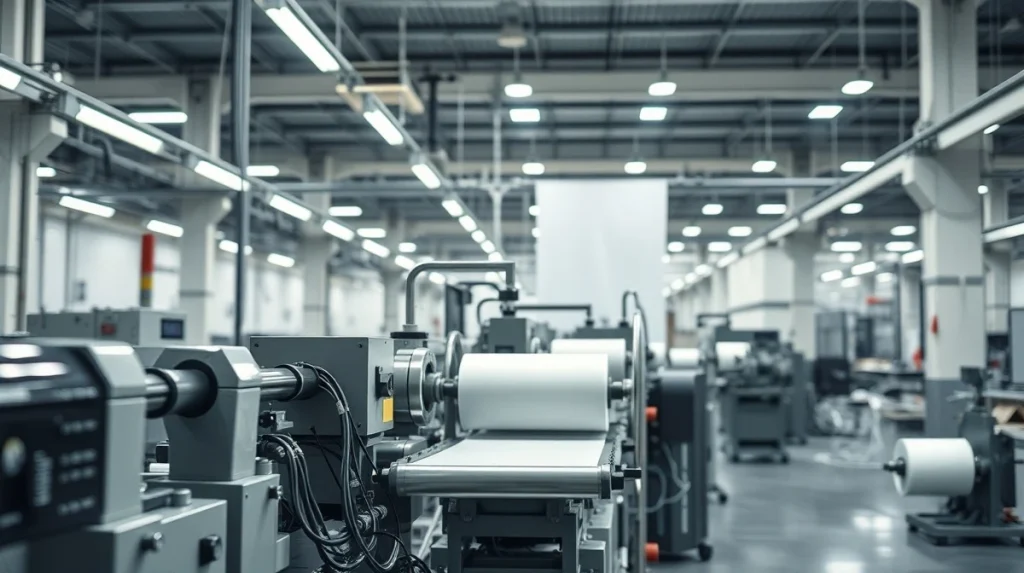
The demand for Thermoplastic Polyurethane (TPU) cast film production machinery in the Middle East is experiencing significant growth as of early 2026, driven by regional economic diversification and major infrastructure development. This expansion reflects a strategic shift away from hydrocarbon dependency toward advanced manufacturing and value-added industrial sectors. Consequently, suppliers of specialized polymer processing equipment are witnessing increased inquiries and orders from countries like Saudi Arabia, the United Arab Emirates, and Qatar.
Market Drivers for TPU Cast Film Machines
Several interconnected factors are fueling the demand for TPU cast film production lines across the Middle East. Primarily, national visions like Saudi Arabia’s Vision 2030 and the UAE’s economic diversification plans have catalyzed massive investments in non-oil industries. These policies directly stimulate markets for high-performance polymer films. Furthermore, ongoing megaprojects in construction, automotive manufacturing, and renewable energy create sustained demand for advanced materials.
Also read: M Series ANC Token Presale Launches with Detailed Vesting
TPU films offer unique properties including elasticity, transparency, abrasion resistance, and weldability. As a result, they are essential for specific applications now scaling in the region. For instance, the construction boom requires high-grade waterproofing membranes for buildings and infrastructure. Similarly, the growing automotive sector needs TPU films for interior components and protective layers. The push into solar energy also utilizes these films in panel backsheets and protective layers.
Key Application Sectors
The application breadth explains the machinery demand. Major sectors include:
Also read: Pepeto Presale Attracts Investor Interest Amid Meme Coin Rally
- Building & Construction: Waterproofing membranes for roofs, tunnels, and foundations.
- Automotive: Interior laminates, airbag covers, and protective trim.
- Medical & Packaging: Sterile packaging, wound care laminates, and flexible pouches.
- New Energy: Protective backsheets for photovoltaic solar panels.
Regional Market Analysis and Growth Hotspots
Saudi Arabia currently represents the fastest-growing market for TPU film production capacity in the Middle East. The kingdom’s giga-projects, such as NEOM, the Red Sea Project, and Qiddiya, require vast quantities of advanced construction materials. These projects specify high-performance materials that often include TPU-based solutions. Additionally, investments in smart city infrastructure and renewable energy parks under the Saudi Green Initiative further propel demand.
The United Arab Emirates, with its established industrial base in Dubai and Abu Dhabi, continues to be a major hub for technical film conversion and export. The UAE’s focus on high-tech manufacturing and logistics supports a sophisticated downstream film processing industry. Meanwhile, Qatar and Oman are emerging markets, with growth linked to infrastructure development and economic diversification programs launched in the past decade.
Market analysis indicates that demand is not just for the machinery itself but for complete production line solutions. These include precision extruders, casting units, chill rolls, and winding systems capable of handling TPU’s specific processing characteristics. Suppliers must provide solid after-sales support and training, which has become a critical factor in procurement decisions by Middle Eastern industrial firms.
Industrial and Economic Context
The rise in demand for cast film machinery is part of a broader regional industrial transformation. For decades, the Middle East exported raw polymers but imported finished plastic products. Currently, a concerted effort is underway to capture more value domestically by establishing advanced conversion and manufacturing facilities. This strategy reduces import dependency, creates jobs, and builds more resilient supply chains.
Government incentives, including tax breaks, subsidized energy, and favorable financing, are making capital investments in machinery more attractive for private investors. Moreover, the need for localized production has been underscored by global supply chain disruptions experienced in recent years. Regional manufacturers now prioritize security of supply and shorter lead times for essential industrial materials.
The technological requirements are also evolving. Middle Eastern manufacturers are seeking machinery that offers higher output, greater energy efficiency, and the flexibility to produce a wide range of film grades and thicknesses. This trend reflects the market’s maturation and the need to compete in both domestic and export markets.
Challenges and Considerations
Despite the optimistic outlook, several challenges persist. The availability of a skilled technical workforce to operate and maintain advanced cast film lines remains a concern. Consequently, machinery suppliers and local polytechnics are increasingly partnering on vocational training programs. Furthermore, the high initial capital expenditure for state-of-the-art lines requires confident long-term market forecasting by investors.
Another consideration is the global competition among machinery suppliers. European, Chinese, and American manufacturers are all vying for market share in the Middle East, each offering different value propositions regarding technology, price, and service. This competition ultimately benefits the end-user but requires careful technical and commercial evaluation during the procurement process.
Future Outlook and Strategic Importance
The trajectory for TPU cast film machinery demand in the Middle East appears positive for the near to medium term. The foundational drivers—economic diversification, infrastructure spending, and industrial localization—are long-term strategic policies, not short-term initiatives. As these policies continue to be implemented through 2026 and beyond, the underlying demand for advanced materials and the equipment to produce them is expected to remain reliable.
This growth sector also has implications for global trade patterns in polymer products. As Middle Eastern production capacity increases, the region may transition from a net importer to a self-sufficient producer and potential exporter of high-performance films. This shift could impact global supply chains and trade flows in the specialty plastics segment.
For international machinery manufacturers, the Middle East represents a key growth market requiring a dedicated regional strategy. Success depends on understanding local industrial policies, building strong partnerships, and providing technology transfer that aligns with national development goals.
Conclusion
The market demand for TPU cast film machines in the Middle East is a direct indicator of the region’s rapid industrial evolution. Driven by visionary economic plans and tangible megaprojects, the need for advanced polymer processing equipment is creating significant opportunities for machinery suppliers. The focus on applications like construction, automotive, and renewable energy ensures that this demand is application-led and sustainable. As of 2026, the Middle East’s journey toward advanced manufacturing is actively reshaping its industrial field and its role in the global polymers market.
FAQs
Q1: What is a TPU cast film production line?
A TPU cast film production line is an integrated industrial system that melts, extrudes, and casts Thermoplastic Polyurethane into thin, continuous sheets or films. It typically includes an extruder, a flat die, a casting/chill roll unit, and a winding system.
Q2: Why is demand for this machinery growing in the Middle East?
Demand is growing primarily due to national economic diversification programs (like Saudi Vision 2030), which are driving massive investments in construction, automotive, and renewable energy projects that require high-performance polymer films.
Q3: Which Middle Eastern country has the strongest demand?
As of early 2026, Saudi Arabia is the region’s fastest-growing market, fueled by its giga-projects and industrial development plans. The UAE also maintains strong demand due to its established manufacturing and logistics hub.
Q4: What are the main applications for TPU film in the region?
The key applications include waterproofing membranes for construction, interior components for the automotive industry, medical and flexible packaging, and protective layers for solar panels in new energy projects.
Q5: What challenges do manufacturers face when setting up film production in the Middle East?
Key challenges include the high capital investment required, the need for a skilled technical workforce to operate advanced machinery, and the need to work through a competitive global supplier market to select the right technology.

This article was produced with AI assistance and reviewed by our editorial team for accuracy and quality.