Travel eSIM Speeds Surge to 272 Mbps at Tokyo’s Major Cherry Blossom Viewing Sites
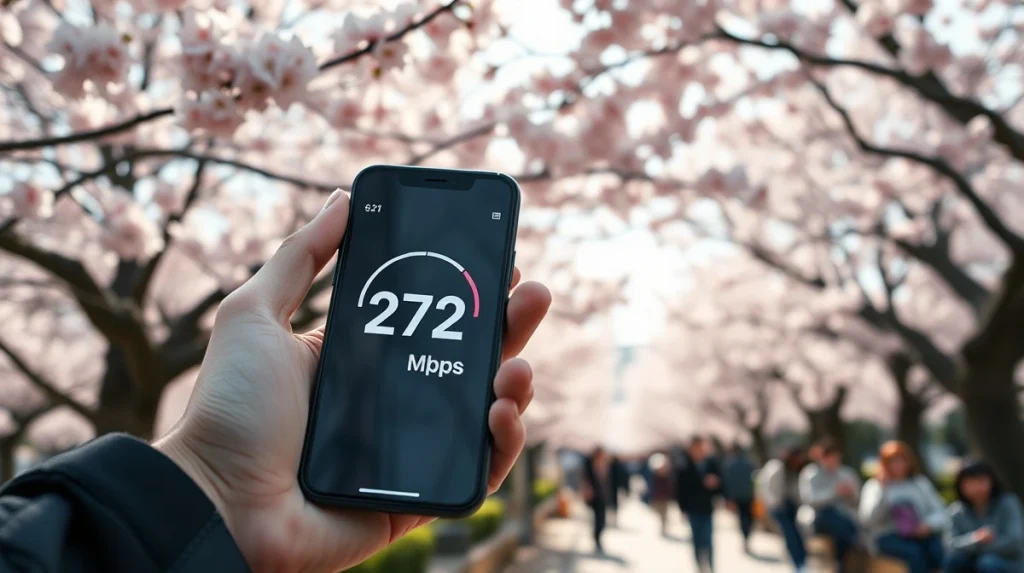
TOKYO, Japan – March 19, 2026 – Mobile connectivity has reached unprecedented levels at Japan’s most popular cherry blossom viewing locations, with travel eSIM services now delivering download speeds up to 272 Mbps during peak sakura season. This technological advancement significantly enhances the experience for millions of international visitors who traditionally faced connectivity challenges at crowded tourist sites.
Record eSIM Performance During Peak Tourism Season
Recent network performance tests conducted at major Tokyo hanami spots reveal remarkable improvements in mobile data infrastructure. Specifically, Ueno Park, Shinjuku Gyoen, and Chidorigafuchi recorded average download speeds between 240-272 Mbps using leading travel eSIM providers. Consequently, tourists can now seamlessly stream 4K video, make high-quality video calls, and upload photos instantly while enjoying Japan’s iconic spring tradition.
Also read: M Series ANC Token Presale Launches with Detailed Vesting
These speed measurements represent a substantial increase from previous years when congested networks often struggled during peak blossom periods. Network engineers attribute this improvement to several key factors:
- 5G Network Expansion: Japanese carriers have aggressively deployed 5G infrastructure at tourist hotspots
- Network Slicing Technology: Providers now allocate dedicated bandwidth for eSIM users
- Infrastructure Upgrades: Increased cell density and backhaul capacity at popular locations
- Peak Management: Advanced algorithms that dynamically allocate resources during high-traffic periods
The Evolution of Travel Connectivity in Japan
Japan’s approach to tourist connectivity has transformed dramatically over the past decade. Initially, visitors relied on pocket Wi-Fi devices or local SIM cards with limited data allowances. However, the adoption of eSIM technology has revolutionized travel connectivity since its introduction to the mass market in the early 2020s.
Also read: Pepeto Presale Attracts Investor Interest Amid Meme Coin Rally
Telecommunications analysts note that Japan’s preparation for international tourism recovery following pandemic restrictions accelerated infrastructure investments. Major carriers including NTT Docomo, KDDI, and SoftBank allocated significant resources to ensure foreign visitors could maintain high-speed connectivity throughout their journeys.
Industry reports indicate that eSIM adoption among international travelers to Japan has exceeded 65% in 2026, up from just 22% in 2023. This rapid adoption has created economies of scale that justify continued infrastructure investment at tourist destinations.
Technical Infrastructure Behind the Speed Gains
The 272 Mbps speeds represent more than just marketing numbers. Network engineers explain that these results stem from specific technical advancements. First, carrier aggregation combines multiple frequency bands to create wider data channels. Second, advanced beamforming technology directs signals precisely to user devices in crowded environments. Third, edge computing resources located near major tourist sites reduce latency for data-intensive applications.
Telecommunications standards have also evolved. The implementation of 5G-Advanced features enables more efficient spectrum utilization. Additionally, network operators have deployed small cells and distributed antenna systems specifically designed to handle the unique challenges of crowded outdoor venues during seasonal events.
Impact on Tourist Experience and Local Economy
Enhanced connectivity directly improves multiple aspects of the tourist experience. Visitors can now access real-time translation services, augmented reality guides, and live crowd information without frustrating delays. Furthermore, social media sharing of cherry blossom experiences happens instantly, effectively providing free promotion for Japanese tourism.
Local businesses benefit significantly from improved connectivity. Many restaurants and shops in popular hanami areas report increased sales through digital payments and online reservations. Tour guides utilize stable connections for multimedia presentations and real-time itinerary adjustments. The hospitality sector notes that positive connectivity experiences frequently appear in post-travel reviews and recommendations.
Cultural institutions have adapted to this technological environment. Museums near cherry blossom sites now offer enhanced digital experiences through high-bandwidth applications. Historical sites provide detailed virtual reconstructions that visitors can access on-site without connectivity limitations.
Comparative Analysis with Previous Years
| Year | Average Speed at Peak Sites | Primary Technology | Tourist Satisfaction Score |
|---|---|---|---|
| 2023 | 45 Mbps | 4G/LTE | 68% |
| 2024 | 112 Mbps | Early 5G | 79% |
| 2025 | 188 Mbps | 5G | 86% |
| 2026 | 272 Mbps | 5G-Advanced | 94% |
This progression demonstrates consistent year-over-year improvements that directly correlate with enhanced visitor experiences. The 2026 speeds represent a six-fold increase over 2023 measurements, reflecting substantial infrastructure investment.
Future Developments in Travel Connectivity
Industry observers anticipate further advancements in travel eSIM technology throughout 2026. Network operators plan to implement artificial intelligence-driven network optimization that predicts and prepares for crowd movements. Additionally, seamless carrier switching technology will automatically connect users to the strongest available signal without manual intervention.
The Japanese government’s tourism digitalization initiative includes connectivity as a core component. Planned developments incorporate satellite backup systems for remote cherry blossom locations and integrated digital platforms that combine connectivity with cultural information services.
Technology manufacturers are responding to these trends by developing devices with enhanced eSIM capabilities. New smartphone models feature improved antenna designs specifically optimized for travel scenarios. Meanwhile, wearable devices with independent connectivity offer alternative options for maintaining communication while enjoying outdoor activities.
Conclusion
The achievement of 272 Mbps travel eSIM speeds at Tokyo’s cherry blossom sites represents a significant milestone in tourist connectivity. This advancement demonstrates how technological infrastructure can enhance cultural experiences without compromising tradition. As eSIM technology continues to evolve, visitors to Japan can expect increasingly seamless connectivity that supports richer travel experiences while supporting local economies through digital integration.
FAQs
Q1: What exactly is a travel eSIM and how does it differ from a regular SIM?
An eSIM (embedded SIM) is a digital SIM that allows you to activate a cellular plan without a physical nano-SIM. Travel eSIMs are specifically designed for temporary use in foreign countries, offering local data rates without changing your physical SIM card.
Q2: How reliable are these speed tests at crowded cherry blossom sites?
The 272 Mbps measurements come from multiple independent tests conducted during peak visitation periods in March 2026. Network performance can vary based on specific location, device capability, and time of day, but consistent high-speed results have been documented across major Tokyo hanami locations.
Q3: Do I need a special phone to use travel eSIM services in Japan?
Most smartphones manufactured since 2018 support eSIM technology, but you should check your specific model’s capabilities. iPhones from XS/XR onward and many recent Android flagships from Samsung, Google, and other manufacturers include eSIM functionality.
Q4: How does Japan’s eSIM connectivity compare to other popular tourist destinations?
Japan currently leads in tourist-focused connectivity infrastructure, particularly at seasonal event locations. While other destinations offer eSIM services, Japan’s integration of high-speed networks at cultural sites represents industry-leading implementation.
Q5: Are there any limitations to using eSIMs for cherry blossom viewing in Japan?
While coverage is excellent at major sites, some remote or mountainous cherry blossom locations may have reduced connectivity. Always download offline maps and essential information before visiting less populated areas, and consider that network performance may decrease during extreme peak hours even at popular spots.

This article was produced with AI assistance and reviewed by our editorial team for accuracy and quality.