Tokenized Bitcoin in 2026: The Revolutionary Bridge to Cross-Chain Utility and Its Hidden Perils
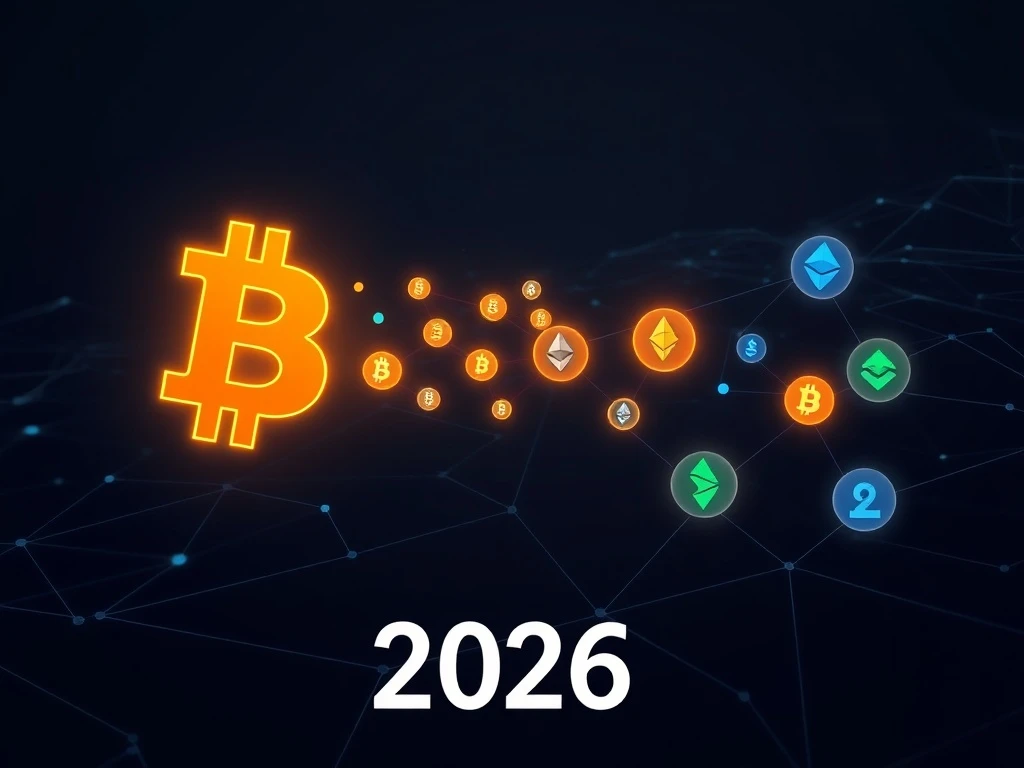
As the digital asset environment evolves toward 2026, a profound transformation is underway for the world’s premier cryptocurrency. Tokenized Bitcoin, which represents native $BTC on alternative blockchain networks, is rapidly moving from a niche concept to a foundational pillar of decentralized finance. This process unlocks the immense value and liquidity of Bitcoin across diverse ecosystems, fundamentally reshaping how investors and developers interact with the original crypto asset. The implications for global finance, technological innovation, and investment strategy are substantial and merit a detailed, evidence-based examination.
Defining Tokenized Bitcoin: A Technical and Conceptual Overview
Tokenized Bitcoin refers to a digital representation of Bitcoin’s value on a blockchain other than its native network. Essentially, a custodian or a smart contract locks actual Bitcoin in a reserve. Subsequently, it mints a corresponding token on a chain like Ethereum, Solana, or Avalanche. This new token is pegged 1:1 to the value of the locked Bitcoin. Consequently, users can employ this wrapped or synthetic version within the destination chain’s ecosystem. They gain access to applications that the original Bitcoin blockchain cannot support natively.
Also read: Ripple Prime Achieves Landmark BBB Rating, Cementing Its Institutional Crypto Role
This mechanism creates a key bridge between Bitcoin’s solid store of value and the innovative functionality of other networks. For instance, a holder can tokenize their Bitcoin to engage in lending, borrowing, or yield farming on a decentralized finance (DeFi) platform. The process does not require selling the underlying Bitcoin. Therefore, it preserves the holder’s exposure to Bitcoin’s price while generating additional utility. Major examples already operational today include Wrapped Bitcoin (WBTC) on Ethereum and Bitcoin BEP2 (BTCB) on Binance Chain. These pioneers provide a clear template for future developments expected by 2026.
Real-World Examples and Projected Evolution for 2026
The current space offers a preview of the more mature, interoperable future anticipated in 2026. Presently, Wrapped Bitcoin (WBTC) dominates the market. It operates through a centralized consortium of merchants who custody the Bitcoin and mint the ERC-20 tokens. However, the trajectory points toward increased decentralization and native cross-chain communication. Projects like tBTC and RenVM are experimenting with trust-minimized, cryptographic methods for minting tokenized Bitcoin. These models rely on decentralized networks of nodes instead of single entities.
Also read: XRP Ledger's Compliant Solution Fills Critical IMF Settlement Gap
By 2026, experts predict the rise of native Bitcoin layer-2 solutions with built-in cross-chain capabilities. Networks like the Lightning Network or sidechains like Stacks may integrate direct bridges to major DeFi hubs. Furthermore, advancements in interoperability protocols like the Inter-Blockchain Communication (IBC) standard could enable Bitcoin to flow seamlessly between Cosmos-based chains. This evolution will likely see tokenized Bitcoin becoming a standard, highly liquid asset across dozens of blockchain environments. It will function as the primary collateral asset in multi-chain financial systems.
Expert Analysis: The Driving Forces Behind Adoption
Industry analysts point to clear economic and technological drivers. “The primary catalyst is demand for Bitcoin yield,” notes a report from a major crypto research firm. With over $1 trillion in Bitcoin sitting largely idle in wallets, tokenization unlocks productive utility. Developers also drive adoption by integrating Bitcoin’s liquidity into their applications. This creates a powerful network effect. Regulatory clarity expected by 2026 in key jurisdictions may further legitimize these wrapped assets for institutional use. The convergence of these factors suggests exponential growth in the total value of tokenized Bitcoin, potentially reaching hundreds of billions of dollars.
Tangible Benefits of a Cross-Chain Bitcoin Future
The advantages of tokenizing Bitcoin are multifaceted and significant. They extend benefits to individual holders, developers, and the broader crypto economy.
- Enhanced Liquidity and Utility: Tokenized Bitcoin injects deep liquidity into DeFi ecosystems. It becomes usable in smart contracts for lending, derivatives, and decentralized exchanges.
- Access to Yield: Holders can earn interest or rewards by supplying their tokenized Bitcoin as collateral in DeFi protocols, creating a potential revenue stream.
- Improved Interoperability: It breaks down silos between blockchains, allowing Bitcoin to interact freely with applications built on more programmable networks.
- Faster and Cheaper Transactions: Conducting transactions with tokenized Bitcoin on a chain like Solana can be significantly faster and less expensive than on the native Bitcoin network during congestion.
- Innovation Catalyst: Developers can build novel financial products using Bitcoin as a base layer, something impossible on its original, less programmable chain.
These benefits collectively strengthen Bitcoin’s position as the reserve currency of the crypto space. They do so by increasing its functional relevance beyond simple holding.
Critical Risks and Security Considerations
Despite the promise, tokenizing Bitcoin introduces a new layer of complexity and risk. Understanding these perils is essential for any participant.
- Custodial and Counterparty Risk: Many tokenization models rely on a central entity to hold the underlying Bitcoin. If this custodian fails, is hacked, or acts maliciously, the tokenized assets could become worthless.
- Smart Contract Risk: The bridges and smart contracts that mint and manage tokenized Bitcoin are complex code. They can contain vulnerabilities leading to catastrophic exploits and loss of funds.
- Regulatory Uncertainty: The legal status of tokenized Bitcoin remains unclear in many regions. Regulators may view them as securities or subject them to stringent rules, impacting their usability.
- Liquidity Fragmentation: Multiple versions of tokenized Bitcoin on different chains could fragment liquidity, making large trades more difficult and potentially destabilizing peg mechanisms.
- Oracle and Peg Stability Risk: The systems that maintain the 1:1 peg between Bitcoin and its tokenized version can fail under extreme market volatility or manipulation, causing the token to trade at a discount.
These risks necessitate rigorous due diligence. Users must evaluate the trust model, security audits, and track record of any tokenization system before engaging.
The 2026 Arena: Integration and Standardization
Looking ahead, the period leading to 2026 will likely focus on risk mitigation and standardization. The industry is moving toward more audited, decentralized, and insured bridge solutions. Furthermore, we may see the emergence of cross-chain security standards endorsed by major foundations and developers. This would provide a safer framework for tokenizing assets. Institutional participation will also demand higher levels of compliance and transparency from custodians and protocol developers. This pressure could lead to more strong and reliable infrastructure for everyone.
Conclusion
Tokenized Bitcoin represents a major evolution in the cryptocurrency narrative as we approach 2026. It transforms Bitcoin from a relatively static store of value into a dynamic, interoperable financial primitive. The examples set by current projects illuminate a path toward a deeply interconnected multi-chain future. The benefits of enhanced utility, yield generation, and ecosystem liquidity are compelling. However, these advantages are counterbalanced by significant risks related to custody, smart contracts, and regulation. A thorough, evidence-based understanding of both the revolutionary potential and the hidden perils of tokenized Bitcoin is indispensable for addressing the next chapter of digital asset innovation.
FAQs
Q1: What is the difference between tokenized Bitcoin and owning real Bitcoin?
Owning real Bitcoin means holding the native asset on the Bitcoin blockchain with direct control of your private keys. Tokenized Bitcoin is a representation of that value on another chain, like Ethereum. You own a claim on the underlying Bitcoin, but its security depends on the bridging mechanism and custodian.
Q2: Is my tokenized Bitcoin safe if the price of Bitcoin crashes?
The peg mechanism is designed to maintain a 1:1 value ratio. Therefore, if Bitcoin’s price crashes, the value of your tokenized Bitcoin should also decrease proportionally. The primary risks are not market volatility but rather technical failure, hacking of the bridge, or insolvency of the custodian holding the real Bitcoin.
Q3: Can I convert my tokenized Bitcoin back to native Bitcoin?
Yes, in most systems, you can “burn” or redeem your tokenized assets through the same bridge or custodian that issued them. This process should unlock the corresponding amount of native Bitcoin from reserve and send it to your designated wallet, though fees and processing times apply.
Q4: Why would I use tokenized Bitcoin instead of a Bitcoin sidechain?
Tokenized Bitcoin typically offers broader compatibility. It allows you to use Bitcoin’s value on established, high-activity chains like Ethereum that host thousands of DeFi applications. A sidechain is a separate blockchain built specifically for Bitcoin, which may have a smaller ecosystem and different security assumptions.
Q5: Are there tax implications for using tokenized Bitcoin?
Tax treatment varies by jurisdiction. In many regions, converting native Bitcoin to a tokenized version (and vice versa) could be considered a taxable disposal event, as it involves exchanging one asset for another. It is vital to consult with a tax professional familiar with cryptocurrency regulations in your country.

This article was produced with AI assistance and reviewed by our editorial team for accuracy and quality.