Tether’s Volatile Gold Gamble: Stablecoin Giant Fires HSBC Traders Months After $24 Billion Bullion Push
In a surprising reversal, Tether Holdings Ltd., the issuer of the world’s largest stablecoin, has dismissed two former HSBC gold traders it hired just months ago to manage its massive physical bullion reserves. The move, confirmed in late March 2026, casts doubt on the company’s ambitious plan to actively trade a gold stockpile now valued at approximately $24 billion. This development highlights the volatile intersection of digital currency and traditional commodity markets.
Tether’s Dismissal of HSBC Gold Experts
According to sources familiar with the matter, Tether hired Vincent Domien and Mathew O’Neill from global banking giant HSBC in late 2025. Both were seasoned professionals in the physical gold trading desk. Their tenure was brief. The company dismissed both individuals within a few months of their hiring. Tether has not publicly stated a reason for the sudden personnel change. Industry watchers note that such rapid turnover in key roles can signal strategic pivots or internal disagreements over execution.
Also read: CryptoNewsInsights Plunges Below $2.1K: Traders Brace for Potential Slide to $1.5K Support
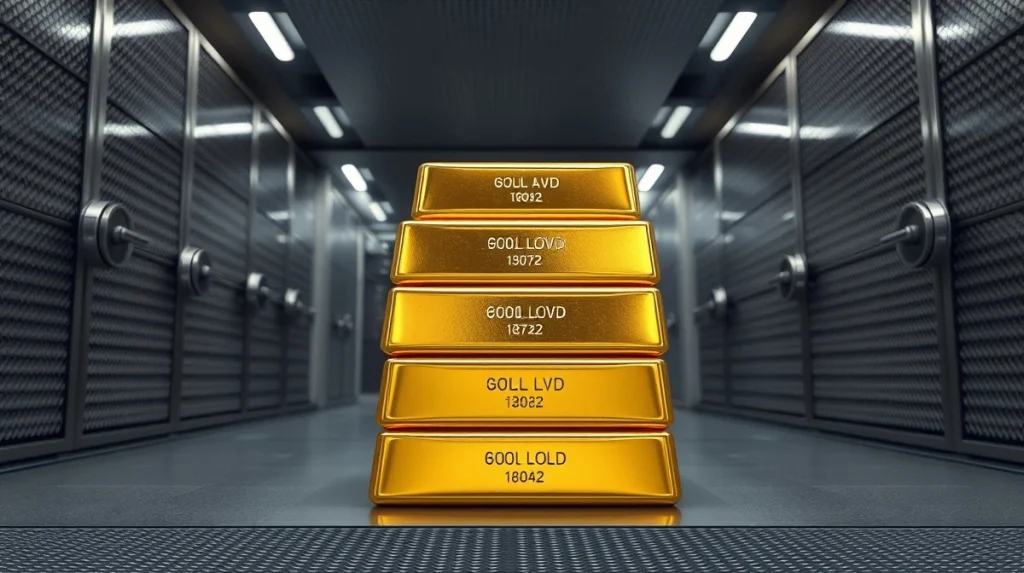
Data from the company’s quarterly attestations shows Tether has accumulated around 140 tons of physical gold. This hoard is stored in Switzerland. At current prices, the stash is worth nearly $24 billion. The scale of this holding makes Tether one of the world’s largest private holders of physical gold. This suggests the company’s move into bullion is a core part of its reserve strategy, not a minor side project.
The Ambitious Gold Trading Strategy
Tether’s original plan involved active trading of its gold reserves. The strategy reportedly focused on arbitrage between the physical gold market and futures contracts. In theory, this involves buying physical gold when its price is lower than futures prices, or vice versa, to lock in a risk-free profit. This is a complex, capital-intensive operation typically run by major banks or specialized trading houses.
Also read: Bitcoin-Backed Bonds: New Hampshire's $100M Gamble on Crypto Collateral
The firing of the HSBC team raises immediate questions about whether this plan is still viable. “Hiring and firing senior traders so quickly is highly unusual,” said a veteran commodity fund manager who requested anonymity. “It often points to a mismatch between a firm’s risk appetite and a trader’s proposed strategy, or a failure to generate expected returns in the agreed timeframe.”
Analyzing the Risks of Physical Gold Arbitrage
Arbitrage in the gold market is not simple. It involves significant logistical hurdles. Physical gold requires secure storage, insurance, and transportation. Futures contracts are financial derivatives. The gap, or ‘spread’, between the two prices is often small and can vanish quickly. Profitable arbitrage requires immense scale, ultra-low financing costs, and flawless execution.
For Tether, the risks are multifaceted. The company’s primary business is issuing USDT, a stablecoin pegged to the U.S. dollar. Its reserves back this token. Using a portion of these reserves for active trading introduces market risk. A failed arbitrage play could lead to losses, potentially affecting the perceived stability of USDT. This could signal a shift in Tether’s risk management philosophy from conservative asset backing to more aggressive treasury management.
Context: Tether’s Evolving Reserve Composition
Tether’s foray into gold is part of a broader trend of diversifying its reserves away from purely U.S. Treasury bills and cash. The company has faced years of scrutiny over the composition and safety of the assets backing USDT. Adding physical gold, a historically stable asset, can be seen as a move to increase perceived robustness.
Key facts about Tether’s gold holdings:
- Quantity: ~140 metric tons.
- Estimated Value (April 2026): ~$24 billion.
- Storage: High-security vaults in Switzerland.
- Percentage of Total Reserves: Represents a significant single-asset class within Tether’s overall portfolio.
But acquiring gold is one thing. Trading it actively is another. The recent personnel drama suggests the trading arm of this plan has hit a snag. What this means for investors is uncertainty about how Tether will manage this giant pile of bullion moving forward. Will it simply hold it as a passive, long-term store of value? Or will it attempt to revive active trading with a new team?
Broader Implications for Crypto and Finance
This episode underscores the growing convergence of cryptocurrency entities and traditional finance (TradFi). Tether is effectively acting like a large, unregulated hedge fund or bank with its reserve management. Its actions in the gold market are now large enough to potentially influence that market’s dynamics.
Furthermore, the stability of major stablecoins is a systemic concern for the broader crypto ecosystem. USDT is used as a primary dollar substitute on exchanges worldwide. Any perceived weakness in its backing can trigger market-wide sell-offs. Therefore, Tether’s strategic missteps in gold trading are not just a corporate matter. They have ramifications for cryptocurrency market stability.
The swift dismissal of experienced traders also highlights a cultural clash. The methodical, risk-managed world of institutional gold trading may be colliding with the faster-paced, sometimes opaque decision-making common in parts of the crypto industry. The implication is that Tether may be finding the physical commodity world more challenging to master than anticipated.
Conclusion
Tether’s decision to fire its former HSBC gold traders months after a high-profile hiring spree reveals turbulence in its $24 billion bullion strategy. The company’s plan to generate profits through gold arbitrage appears to be on hold, if not abandoned. While its physical gold holdings remain a substantial part of its reserves, the ambition to actively trade them has met a significant, personnel-related setback. This development will force market participants to watch closely how Tether manages this massive position—whether as a passive, strategic holding or as a trading book awaiting a new team. The stability of the world’s dominant stablecoin may, in part, depend on the outcome.
FAQs
Q1: Why did Tether hire gold traders from HSBC?
Tether hired Vincent Domien and Mathew O’Neill from HSBC in late 2025 to actively manage and trade its growing physical gold reserves, which were part of a strategy to engage in arbitrage between physical bullion and gold futures markets.
Q2: How much gold does Tether own, and where is it?
According to its published attestations, Tether has accumulated approximately 140 metric tons of physical gold. This bullion is stored in high-security vaults located in Switzerland and was valued at around $24 billion as of early 2026.
Q3: What is gold arbitrage, and why is it risky?
Gold arbitrage involves exploiting price differences between physical gold and gold futures contracts. It is risky because it requires massive scale, precise timing, and low transaction costs. The profit margins are often thin, and logistical costs (storage, insurance, transport) can erase gains.
Q4: What does this mean for Tether’s stablecoin, USDT?
The firing of the trading team introduces uncertainty about how Tether will manage a key reserve asset. While the gold itself still holds value, failed trading strategies could lead to losses. This could affect confidence in Tether’s ability to manage the reserves backing USDT, potentially impacting its stability.
Q5: Could Tether’s gold holdings affect the wider gold market?
Yes. At 140 tons, Tether is a major private holder. If it decided to buy or sell large quantities actively, it could influence physical gold prices and premiums. Its current status as a holder has likely already provided support to the gold market.
Q6: What might Tether do next with its gold?
The company has several options: it could hire a new trading team, outsource management to a specialized fund, or simply hold the gold passively as a long-term inflation hedge. Its next move will signal its commitment to the original active trading plan.

This article was produced with AI assistance and reviewed by our editorial team for accuracy and quality.