SXP Investment Warning: Upbit, Bithumb, and Coinone Issue Stark Alert on Solar Token
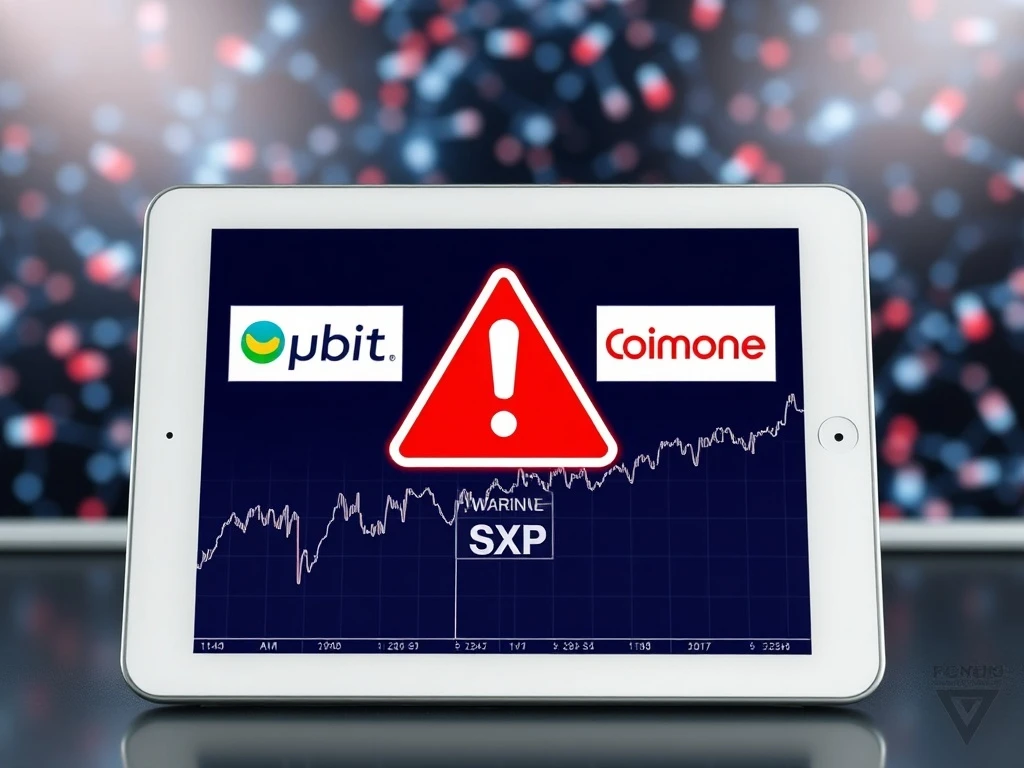
In a significant regulatory move, South Korea’s leading cryptocurrency exchanges—Upbit, Bithumb, and Coinone—have simultaneously designated the Solar (SXP) token for a formal investment warning, raising immediate questions about the project’s future and signaling heightened scrutiny from the nation’s digital asset alliance. This coordinated action, announced on March 15, 2025, by the Digital Asset eXchange Alliance (DAXA), follows a comprehensive review that identified substantial concerns regarding the token’s business viability and long-term sustainability, potentially safeguarding investors from significant financial harm.
SXP Investment Warning Triggers Market Scrutiny
The Digital Asset eXchange Alliance (DAXA) functions as a critical consultative body for South Korea’s major virtual asset service providers. Consequently, its decisions carry substantial weight across the domestic crypto ecosystem. The alliance stated clearly that the SXP designation resulted from a deliberate evaluation process. This process specifically assessed the underlying project’s operational health and roadmap feasibility. Moreover, DAXA’s primary mandate involves protecting users from volatile or questionable assets. Therefore, this warning represents a proactive measure, not a reactive penalty.
Also read: Bitcoin Strategy Divide: GameStop's 4,710 BTC Hold Contrasts With Nation's Massive Sell-Off
Investment warnings represent a distinct tier within South Korea’s investor protection framework. Importantly, they differ from outright delistings. A warning signals to users that an asset presents elevated risks. Exchanges must then display prominent notifications on the token’s trading page. Furthermore, they often implement additional educational prompts for users attempting to purchase the asset. This system aims to ensure informed consent while allowing market forces to operate. For context, previous warnings have preceded significant price volatility for affected tokens.
Understanding the DAXA Review Process
The DAXA review process for digital assets is methodical and multi-faceted. Member exchanges collaboratively examine several core criteria. These criteria include technical development activity, transparency of operations, and regulatory compliance. Additionally, the team evaluates the project’s financial sustainability and real-world adoption metrics. The review of Solar (SXP) reportedly raised red flags in multiple areas. Specifically, concerns centered on the project’s business model viability post-mainnet migration and its ability to execute its published roadmap.
Also read: Bitcoin Volatility Dips Below Major Stocks as European Nation Sells Billions in Crypto Reserves
Industry analysts note that DAXA’s actions often reflect deeper, non-public due diligence. The alliance likely reviewed developer activity, GitHub commits, and partnership verifications. They also assess communication consistency from the project team. A pattern of missed deadlines or vague updates can trigger scrutiny. For SXP, the transition from the Swipe network to the Solar blockchain introduced complex technical and economic challenges. DAXA’s warning suggests these challenges may threaten the project’s long-term operational stability.
The Ripple Effect on Solar (SXP) and the Broader Market
The immediate market impact was a sharp decline in SXP’s trading price on Korean exchanges. Historically, such warnings create selling pressure from risk-averse investors. However, the effect extends beyond simple price action. The warning influences institutional perception and limits potential listing on other regulated platforms. It also complicates the project’s ability to secure new Korean partnerships. Crucially, it tests the resolve and resources of the SXP development team to address the cited concerns publicly and substantively.
This event underscores the growing authority of cooperative regulatory bodies like DAXA. Their consensus-driven approach prevents a single exchange from making unilateral decisions that could distort the market. It also establishes a precedent for other jurisdictions considering similar alliance models. The move highlights a global trend toward stricter qualitative assessments of crypto assets, moving beyond basic security audits to evaluate fundamental business health. This represents a maturation of the crypto regulatory market, prioritizing sustainable projects over speculative tokens.
Comparative Analysis of Past DAXA Actions
Examining previous DAXA warnings provides key context for the SXP situation. The table below outlines notable past actions and their outcomes.
| Token/Project | Date of Warning | Primary Cited Reason | Subsequent Status (6 Months Later) |
|---|---|---|---|
| Project A | Q3 2023 | Insufficient Decentralization | Delisted from Two Exchanges |
| Project B | Q1 2024 | Lack of Developer Activity | Project Rebranded, Warning Lifted |
| Project C | Q4 2024 | Regulatory Non-Compliance | Fully Delisted from DAXA Members |
This history shows that outcomes vary significantly. Some projects address concerns and resume normal trading. Others fail to meet requirements and face delisting. The path for SXP will depend on its team’s response. Key factors for resolution include:
- Transparent Roadmap Updates: Providing clear, verifiable progress on development milestones.
- Enhanced Communication: Regularly engaging with the exchange alliance and the community.
- Business Model Clarification: Demonstrating a sustainable economic model for the Solar blockchain.
- Technical Audit Publication: Sharing independent reviews of the network’s health and security.
Conclusion
The SXP investment warning from Upbit, Bithumb, and Coinone, coordinated through DAXA, marks a decisive moment for governance in South Korea’s cryptocurrency sector. It demonstrates a structured, evidence-based approach to investor protection that prioritizes project fundamentals over hype. This action will likely prompt increased due diligence from investors globally and pressure project teams to maintain higher standards of transparency and delivery. The future of the Solar token now hinges on its team’s ability to convincingly address the viability concerns raised, a process that the entire market will watch closely as a benchmark for regulatory engagement in 2025.
FAQs
Q1: What does an “investment warning” mean for SXP on these exchanges?
An investment warning is a formal risk notification. Exchanges must display prominent alerts on the SXP trading page, informing users of identified concerns regarding the project’s business viability and sustainability. It is a precaution, not an immediate delisting.
Q2: Can I still buy or sell SXP on Upbit, Bithumb, or Coinone?
Yes, trading typically continues. However, the exchanges will implement additional pop-up warnings requiring user acknowledgment before transactions proceed, ensuring investors are explicitly aware of the designated risks.
Q3: What is DAXA and what power does it have?
The Digital Asset eXchange Alliance (DAXA) is a consultative body comprising South Korea’s major crypto exchanges. It establishes common standards for investor protection. While its warnings are not direct government edicts, member exchanges almost universally comply with its consensus decisions.
Q4: What specific concerns did DAXA have about Solar (SXP)?
DAXA cited concerns about the project’s business viability and sustainability. This broad assessment likely includes factors like development progress, tokenomics, team execution, adoption rates, and long-term financial health following its mainnet migration.
Q5: Has SXP been delisted?
No, this is currently a warning, not a delisting. The designation starts a monitoring period. The SXP project team can work to address the concerns. If issues are resolved, the warning may be lifted. If not, it could escalate to a delisting proposal.

This article was produced with AI assistance and reviewed by our editorial team for accuracy and quality.