Status SNT Pre-Deposit Campaign Enters Critical Final Stage with 35 Million Token Reward Pool
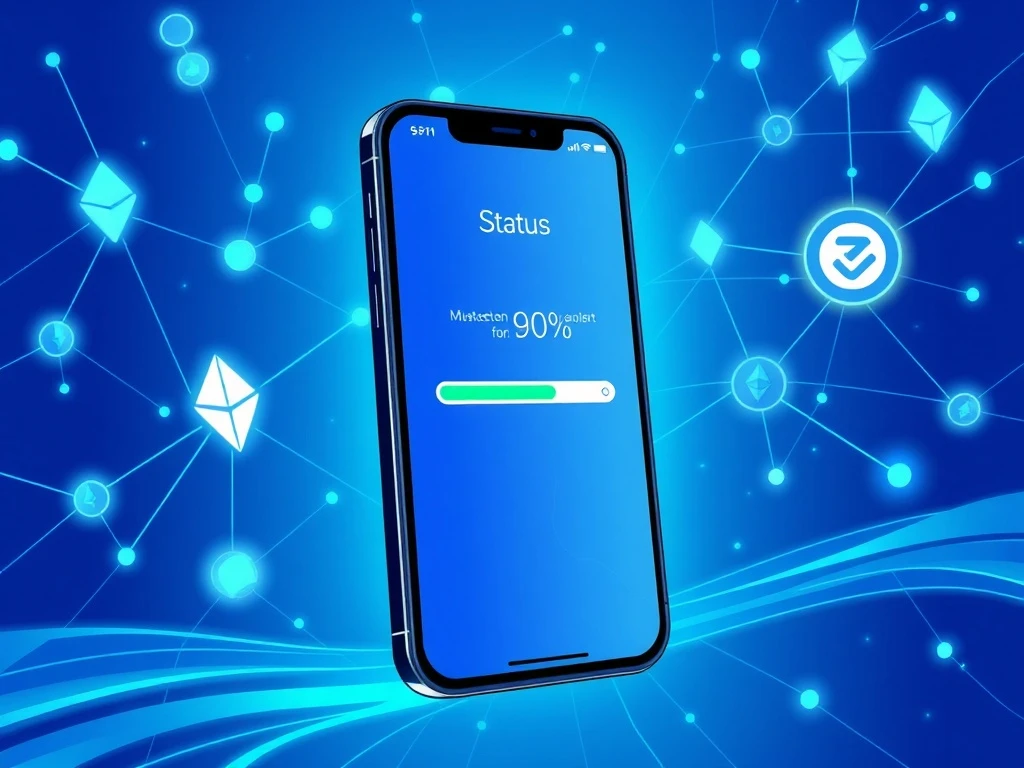
January 15, 2025 – The Ethereum-based decentralized messaging and Web3 platform, Status, has officially entered the conclusive phase of its highly anticipated pre-deposit campaign. This strategic move represents a major milestone ahead of the platform’s planned gas-free mainnet launch scheduled for the first quarter of 2025. Participants engaging in this final stage can now deposit multiple assets, including SNT, LINEA, ETH, and major stablecoins, to earn substantial rewards from a combined pool of 15 million SNT and 20 million LINEA tokens. Furthermore, the campaign uniquely distributes Karma tokens, which grant governance voting rights and priority access to the platform’s forthcoming gas-free transaction processing system.
Status SNT Campaign Mechanics and Strategic Objectives
The architecture of Status’s final pre-deposit campaign demonstrates a sophisticated approach to network bootstrapping and community engagement. Participants can deposit six distinct assets: the native SNT token, the Layer 2 scaling solution token LINEA, Ethereum (ETH), and the dollar-pegged stablecoins USDT, USDC, and USDS. This multi-asset strategy intentionally broadens accessibility, allowing users with diverse crypto portfolios to participate. Consequently, the campaign aims to decentralize token distribution while stress-testing the platform’s deposit mechanisms under varied conditions.
Moreover, the reward structure serves a dual purpose. The 15 million SNT allocation directly incentivizes the growth of the platform’s core utility token ecosystem. Simultaneously, the 20 million LINEA reward pool strategically fosters integration with Ethereum’s Layer 2 scaling arena. Industry analysts, such as those from Messari Crypto, often highlight that successful token distribution campaigns correlate strongly with initial network security and user adoption rates. Status’s campaign appears designed to achieve these exact outcomes by rewarding early supporters who provide liquidity and demonstrate commitment before the mainnet launch.
Understanding the Karma Token and Governance Model
A distinctive feature of this campaign is the issuance of Karma tokens to all participants. Unlike typical reward tokens, Karma carries significant functional utility within the Status network’s planned governance framework. Holders will receive voting rights on future protocol upgrades, treasury allocations, and feature implementations. This approach aligns with the broader Web3 trend toward decentralized autonomous organization (DAO) models, where users have a direct stake in platform evolution.
Also read: Bitcoin Treasury Companies Face New Pressure as US-Iran Tensions Shift
Additionally, Karma tokens grant priority access to gas-free transaction processing on the upcoming mainnet. This is a critical value proposition, as Ethereum network gas fees have historically been a barrier to mainstream adoption for decentralized applications (dApps). By allocating gas-free access based on Karma, Status creates a tangible, user-centric benefit for early contributors. Blockchain governance researcher Dr. Elena Torres noted in a 2024 paper that “token-based governance tied to concrete utilities, like fee mitigation, creates stronger alignment between user action and network health than speculative rewards alone.”
The Roadmap to a Gas-Free Mainnet
The pre-deposit campaign functions as the final preparatory stage before Status’s mainnet launch. The platform has publicly targeted the first quarter of 2025 for this release. A gas-free mainnet represents a substantial technical ambition, likely involving advanced Layer 2 solutions, meta-transactions, or innovative consensus mechanisms that abstract fee payment from the end-user. This development could position Status uniquely within the competitive environment of decentralized communication, challenging established platforms by removing a primary user friction point.
Comparative analysis with other messaging dApps reveals the potential impact. For instance, platforms without gas optimization often see user activity decline during periods of high Ethereum congestion. Status’s solution, if successfully implemented, could enable consistent, low-cost messaging and transactions regardless of underlying network conditions. The technical whitepaper suggests a hybrid model utilizing state channels for messaging and a subsidized transaction relayer for on-chain operations, funded potentially by a community treasury or protocol revenue.
Campaign Participation and Global Accessibility
Status has demonstrated a commitment to global accessibility by releasing a detailed participation tutorial tailored for the Korean community on its official blog. This localized support is significant for driving adoption in key crypto markets and reflects an understanding of regional regulatory and linguistic nuances. The tutorial likely covers wallet setup, asset bridging, and the specific steps for depositing into the campaign’s smart contracts.
Prospective participants should conduct thorough due diligence. This includes verifying the official Status channels to avoid phishing scams, understanding the lock-up periods or vesting schedules for rewards, and assessing the smart contract risks associated with depositing funds. The table below summarizes the core campaign parameters for quick reference:
Status Pre-Deposit Campaign Final Stage Summary
- Accepted Assets: SNT, LINEA, ETH, USDT, USDC, USDS
- Total Reward Pool: 35 Million Tokens (15M SNT + 20M LINEA)
- Additional Reward: Karma Tokens (Governance + Gas-Free Access)
- Campaign Status: Final Stage (Active)
- Mainnet Target: Q1 2025
- Key Feature: Secure, Gas-Free Transaction Processing
Market Context and Potential Impacts
The launch of this final campaign stage occurs within a specific market context. The broader cryptocurrency sector in early 2025 continues to emphasize real-world utility and user experience over pure speculation. Projects that successfully demonstrate working products with clear user benefits, like gas-free transactions, often garner sustained attention. Status’s move can be seen as a direct response to this market maturation.
The impact on the SNT and LINEA token ecosystems could be significant. A successful campaign that locks up a substantial portion of the circulating supply may affect token liquidity and market dynamics. Furthermore, by integrating LINEA so prominently, Status strengthens the economic ties between its application layer and Ethereum’s scaling infrastructure. This symbiotic relationship can enhance the value proposition of both projects, as noted in several 2024 ecosystem reports from the Ethereum Foundation.
Conclusion
The entry of the Status SNT pre-deposit campaign into its final stage marks a decisive period for the project and its community. With a substantial 35 million token reward pool and the innovative introduction of governance-enabled Karma tokens, the campaign is strategically designed to onboard users and secure the network ahead of its decisive gas-free mainnet launch. The success of this initiative will likely influence Status’s ability to deliver on its promise of a scalable, user-friendly decentralized messaging platform. As the first quarter of 2025 progresses, the crypto community will closely watch this final preparatory phase and the subsequent mainnet release, which aims to address one of the most persistent challenges in Web3: the cost of interaction.
FAQs
Q1: What is the primary purpose of the Status pre-deposit campaign?
The campaign aims to bootstrap network participation, distribute rewards to early supporters, and stress-test systems before the launch of Status’s gas-free mainnet, scheduled for Q1 2025.
Q2: What are Karma tokens, and what utility do they provide?
Karma tokens are non-transferable reward tokens that grant holders governance voting rights on the Status platform and priority access to its gas-free transaction processing system after the mainnet launch.
Q3: Which assets can I deposit to participate in the campaign?
The campaign accepts six assets: Status’s native token (SNT), the LINEA token, Ethereum (ETH), and the stablecoins USDT, USDC, and USDS.
Q4: How does a “gas-free mainnet” work technically?
While full technical details are pending the mainnet release, gas-free models typically use meta-transactions, sponsored transactions, or Layer 2 solutions where the dApp or a relayer pays the network fees, abstracting the cost away from the end-user.
Q5: Where can I find official instructions to participate safely?
Status has published official tutorials on its blog, including a version for Korean participants. Always verify you are interacting with the official Status website and smart contract addresses to avoid scams.

This article was produced with AI assistance and reviewed by our editorial team for accuracy and quality.