Spain’s Bold Social Media Ban for Minors Under 16: A Global Crackdown on the ‘Digital Wild West’ Intensifies
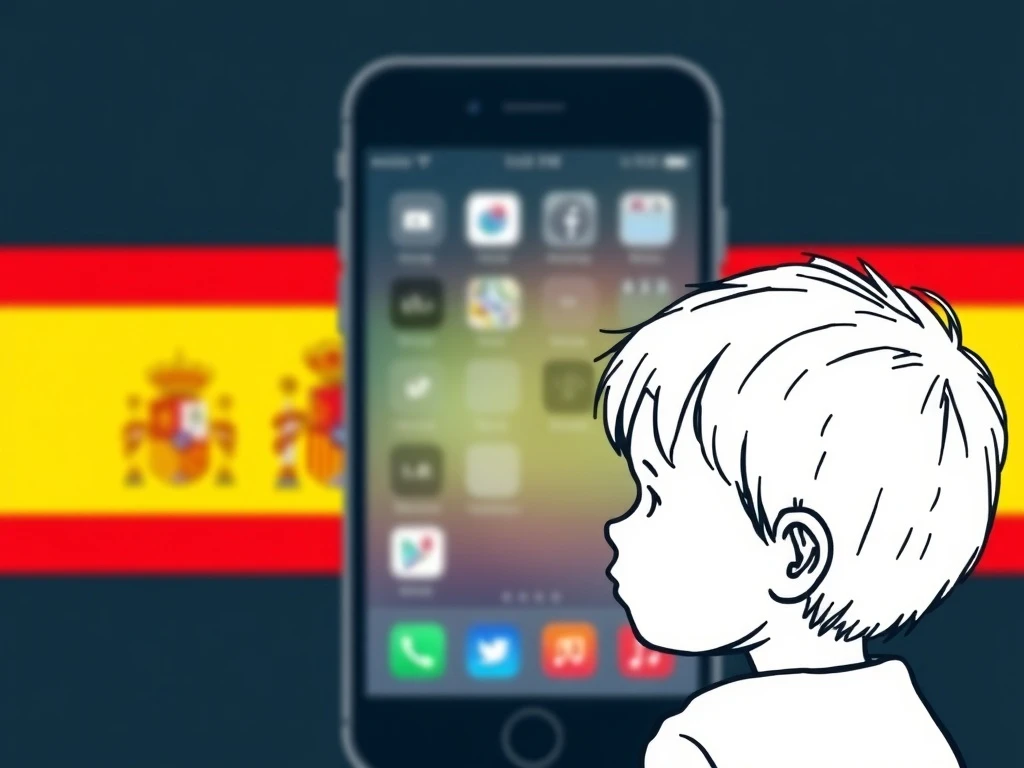
In a decisive move that signals a hardening global stance, Spain has announced plans to ban social media access for all children under the age of 16, directly following similar considerations in the United Kingdom and placing platform executives under threat of criminal liability. Prime Minister Pedro Sánchez, speaking at the World Governments Summit in Dubai on Tuesday, February 13, 2025, framed the aggressive new regulations as a necessary shield against what he termed the ‘digital Wild West,’ marking one of Europe’s most stringent proposed digital safety laws to date.
Spain’s Social Media Ban: The Core Legal Framework
Spanish authorities will implement several critical changes to national law starting next week. Consequently, the cornerstone of this initiative is a comprehensive ban on social media platform access for users under 16 years old. Furthermore, platforms must deploy strong age verification systems, described by Sánchez as ‘real barriers that work.’ Most significantly, the legislation introduces potential criminal liability for company executives who fail to remove ‘illegal or hateful’ content promptly. This executive liability clause represents a dramatic escalation in regulatory pressure, moving beyond fines to personal legal risk.
Also read: Bitcoin ETF Outflows Surge: Investors Pull Billions From Crypto Funds
Government officials argue that current self-regulation by technology giants has proven insufficient. ‘Today, our children are exposed to a space they were never meant to address alone,’ stated Prime Minister Sánchez. ‘Space of addiction, abuse, pornography, manipulation, violence. We will no longer accept that. We will protect them from the digital Wild West.’ The announcement specifically names algorithmic manipulation and disinformation as key targets, with investigations already launched into platforms including Elon Musk’s Grok AI, Instagram, and TikTok.
A Growing International Trend in Youth Digital Protection
Spain’s policy does not emerge in a vacuum. Instead, it forms part of a rapidly consolidating international consensus. For instance, just two weeks prior, UK Prime Minister Keir Starmer publicly declared openness to a similar social media ban for minors. Meanwhile, Australian regulators enacted rules in December 2024 requiring platforms to prohibit users under 16 from creating accounts. This coordinated shift suggests a new era of governmental intervention in digital spaces traditionally governed by corporate policy.
Also read: Bitcoin Price Prediction: Analyzing BTC's Reaction to Fed Policy and the Emerging Pepeto Presale
Analysts observe a clear pattern: nations are moving from voluntary safety guidelines to enforceable, age-gated access models. The European Union’s broader Digital Services Act (DSA) already imposes strict content moderation duties, but Spain’s proposed national law pushes further by specifying an age threshold and criminal sanctions. This layered approach—supra-national EU regulation complemented by stricter national laws—creates a complex compliance sector for global platforms.
Expert Analysis on Implementation and Impact
Legal and child safety experts highlight both the ambition and the challenges of Spain’s plan. Dr. Elena Vargas, a digital rights scholar at the University of Barcelona, notes, ‘The intent to protect children is unequivocally valid, given the documented links between social media use and youth mental health issues. However, the efficacy hinges entirely on the age verification technology. Weak verification will render the ban meaningless, while overly intrusive methods raise serious privacy concerns for all users.’
Technology companies now face a formidable task. They must develop or license verification systems that are both effective and privacy-compliant under the EU’s General Data Protection Regulation (GDPR). Potential methods could include government ID checks, biometric analysis, or bank-grade verification, each carrying distinct technical and ethical implications. The industry’s response will likely set a precedent for other nations considering analogous laws.
The MiCA Connection: Spain’s Broader Tech Regulation Strategy
Parallel to its social media crackdown, Spain is actively transitioning its cryptocurrency sector under the EU’s Markets in Crypto-Assets (MiCA) framework. The national securities regulator published detailed compliance expectations in December 2024. This dual focus on social media and crypto reveals a comprehensive strategy to regulate the digital economy’s most dynamic and, in the government’s view, riskiest sectors.
Both regulatory pushes share common themes: consumer protection, executive accountability, and alignment with broader EU digital policy. Companies operating in Spain must now work through a tightening web of rules across multiple digital domains. The timeline is particularly pressing for crypto firms, which have until June 30, 2025, to achieve full MiCA compliance or cease operations.
| Country | Minimum Age | Enforcement Mechanism | Status |
|---|---|---|---|
| Spain | 16 | Platform Liability & Age Verification | Announced (Implementation Imminent) |
| United Kingdom | Under Consideration | Potential Legislative Ban | Under Government Review |
| Australia | 16 | Platform Mandate | Active (Since Dec 2024) |
| European Union (DSA) | 13-16 (Varies by State) | Platform Duty of Care | Active |
| United States | 13 (COPPA) | Parental Consent for Under-13s | Active |
Potential Outcomes and Industry Reactions
The immediate consequences of Spain’s announcement are multifaceted. Firstly, social media companies must rapidly adapt their European operations. Secondly, parents and educators await clear guidance on the practical implications for youth digital literacy and access. Thirdly, civil society groups are preparing to debate the balance between protection and the right to access information.
Initial industry reactions, gathered from tech policy forums, suggest significant concern over the feasibility of large-scale age verification. A common argument posits that such systems may simply drive younger users to lesser-known or foreign-based platforms with weaker safeguards, potentially increasing risk. Conversely, child advocacy organizations have largely welcomed the move, praising the government for prioritizing safety over commercial interests.
Economists also point to potential market impacts. Stricter regulations could disadvantage smaller platforms lacking resources for compliance, thereby reinforcing the dominance of the largest, best-funded tech corporations—an unintended consequence contrary to the EU’s simultaneous efforts to develop competition through laws like the Digital Markets Act (DMA).
Conclusion
Spain’s plan to ban social media for children under 16 represents a bold and contentious step in the global recalibration of digital governance. By coupling access restrictions with the threat of criminal liability for executives, the Spanish government is testing the limits of state power over transnational digital platforms. This policy, emerging alongside the UK’s considerations and Australia’s existing rules, indicates a decisive shift from persuasion to coercion in the pursuit of online child safety. As implementation begins next week, the world will watch closely. The success or failure of Spain’s approach will undoubtedly influence regulatory debates from Brussels to Washington, setting a critical precedent for how democracies manage the immense power of social media in the 21st century.
FAQs
Q1: When does Spain’s social media ban for under-16s start?
A1: Prime Minister Pedro Sánchez announced that the laws will begin implementation the week following his announcement on February 13, 2025. The exact technical enforcement date for platforms may follow a short compliance grace period.
Q2: How will platforms verify a user’s age?
A2: The specific technological requirements are still being finalized. However, the government mandates ‘real barriers that work,’ which will likely require sturdy methods such as digital ID verification, credit card checks, or certified age verification services, all while complying with EU privacy laws.
Q3: What happens if a social media company violates the new rules?
A3: The proposed law includes provisions for holding platform executives criminally liable for failures to remove illegal or hateful content. This moves beyond traditional financial fines, creating personal legal risk for company leadership.
Q4: Is this ban only for Spanish social media platforms?
A4: No. The law applies to all social media platforms accessible in Spain, regardless of where the company is headquartered. This follows the principle of territorial jurisdiction common in EU digital regulation.
Q5: How does this relate to the EU’s broader digital regulations?
A5: Spain’s national law operates alongside and can be stricter than EU-wide frameworks like the Digital Services Act (DSA). It also coincides with Spain’s enforcement of the EU’s MiCA regulations for cryptocurrency, showing a coordinated national strategy for digital market regulation.

This article was produced with AI assistance and reviewed by our editorial team for accuracy and quality.