SPACE Tokenomics Revealed: SpaceCoin’s Ambitious Blueprint for a Decentralized Satellite Network
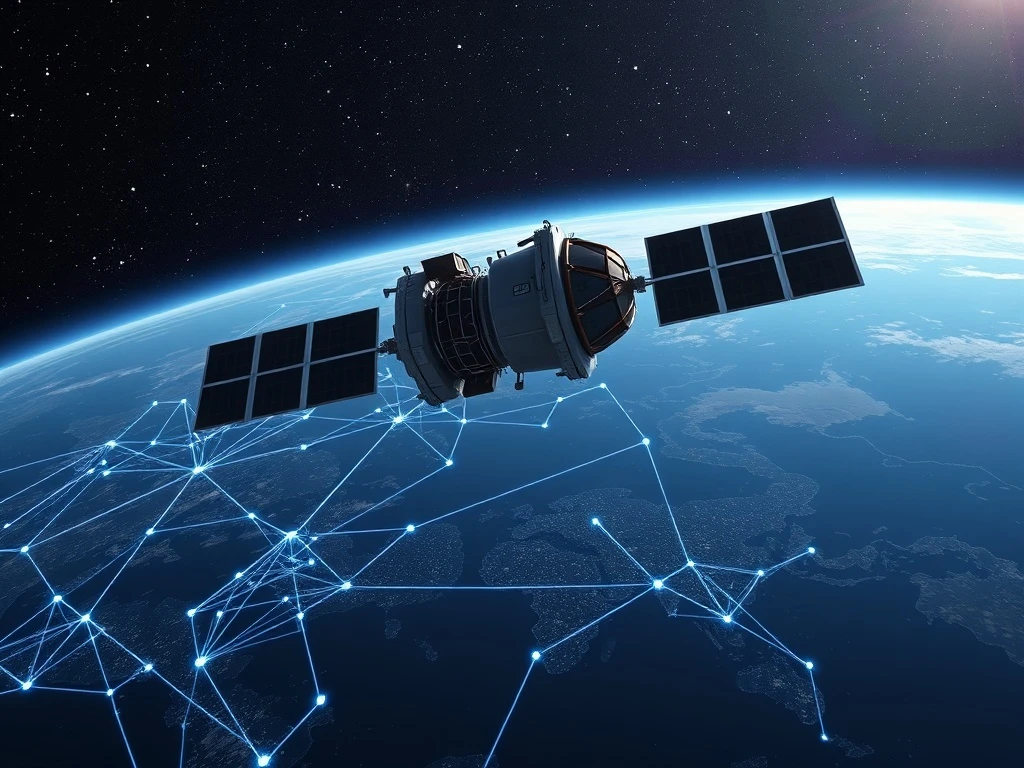
In a significant move for the convergence of blockchain and telecommunications, the SpaceCoin project has officially unveiled the detailed economic model for its SPACE token. This announcement, made on January 20, 2025, precedes the project’s pivotal Token Generation Event (TGE) scheduled for January 23. The release provides the first comprehensive look at how the native digital asset will function within SpaceCoin’s ambitious vision for a decentralized, satellite-based global network. Consequently, the crypto and telecom industries are closely analyzing the tokenomics for clues about the project’s long-term viability and market impact.
Decoding the SPACE Tokenomics Structure
The foundational document released by SpaceCoin outlines a definitive token supply and distribution strategy. Importantly, the total supply of SPACE tokens will be permanently capped at 21 billion. This figure is a deliberate nod to Bitcoin’s famous hard cap, potentially signaling a commitment to digital scarcity. At the Token Generation Event, the initial circulating supply will be approximately 2.15 billion tokens, representing about 10.25% of the total. This controlled initial release is a common strategy to manage early market volatility and align long-term incentives.
Furthermore, the project has confirmed immediate plans for liquidity provision on both centralized and decentralized exchanges. Major platforms like Binance Alpha and OKX are slated for initial centralized exchange (CEX) listings. Simultaneously, the token will be available on decentralized exchanges (DEXs), ensuring broad, permissionless access for users globally. This dual-listing approach balances the ease of use offered by CEXs with the core decentralized ethos supported by DEXs.
The Functional Role of the SPACE Token
Beyond mere speculation, the SPACE token is designed as the essential economic engine of the SpaceCoin network. Primarily, it will act as the network’s universal payment and coordination layer. Satellite operators, ranging from large corporations to smaller constellation owners, can monetize underutilized communication bandwidth by contributing it to the SpaceCoin mesh network. These operators will earn SPACE tokens as rewards, creating a direct revenue stream from otherwise idle assets.
Additionally, network participation for certain validator or governance functions will require token staking. This mechanism serves a dual purpose: it secures the network by requiring stakeholders to have “skin in the game,” and it reduces the liquid supply of tokens, which can positively influence market dynamics. The token is therefore integral to both the technical operation and the economic security of the entire ecosystem.
Expert Analysis on Satellite-Blockchain Synergy
The concept of decentralized physical infrastructure networks (DePIN) has gained substantial traction in the blockchain sector. SpaceCoin operates squarely within this trend, applying blockchain’s coordination and incentive layers to physical satellite infrastructure. Analysts note that this model could potentially reduce costs and increase resilience compared to traditional, centrally-managed satellite internet providers. However, experts also caution that the technical challenges of integrating real-world hardware with blockchain protocols are non-trivial. The success of such projects often hinges on execution, regulatory navigation, and achieving critical mass in both infrastructure providers and end-users.
Market Context and Long-Term Ambitions
The Token Generation Event arrives during a period of renewed interest in both altcoin projects and space-tech ventures. SpaceCoin’s model intersects with several high-growth sectors, including global connectivity, Internet of Things (IoT) backhaul, and remote area communications. The project has publicly stated a long-term goal of generating $1 billion in annual revenue by 2031. This ambitious target would likely require the network to capture a small but meaningful share of the burgeoning satellite communication market, which is projected to be worth tens of billions annually by the end of the decade.
To provide clarity, the following table contrasts key aspects of the SPACE token with a generic utility token model:
| Feature | SPACE Token (SpaceCoin) | Generic Utility Token |
|---|---|---|
| Primary Use Case | Payment for satellite bandwidth; staking for network roles | Access to a software platform or service |
| Value Backing | Derived from demand for decentralized connectivity | Derived from platform adoption and fees |
| Supply Cap | Fixed at 21 Billion | Often inflationary or uncapped |
| Real-World Asset Link | Direct (Physical satellite infrastructure) | Indirect (Software service) |
Key challenges identified by industry observers include:r>
- Regulatory Compliance: Operating a global network involves navigating diverse telecommunications and securities regulations.
- Technical Integration: Seamlessly connecting satellite hardware to a blockchain ledger in real-time is a complex engineering task.
- Market Adoption: Convincing both satellite operators and end-users to adopt a new, token-based system requires demonstrated reliability and cost benefits.
Conclusion
The release of the SPACE tokenomics marks a critical step forward for the SpaceCoin project, transitioning from concept to a defined economic framework. The January 23 Token Generation Event will be the first major test of market sentiment toward this ambitious fusion of decentralized finance and satellite technology. While the long-term $1 billion revenue goal is undoubtedly ambitious, the detailed tokenomics provide a clear roadmap for how the SPACE token intends to function as the lifeblood of a decentralized communication network. The coming months will be crucial for observing initial exchange listings, network onboarding, and the project’s progress against its technical milestones.
FAQs
Q1: What is the total supply of SPACE tokens?
The total supply is permanently capped at 21 billion SPACE tokens.
Q2: When is the SPACE Token Generation Event (TGE)?
The TGE, where tokens are initially created and released, is scheduled for January 23, 2025.
Q3: What is the main purpose of the SPACE token?
The SPACE token serves as the payment and coordination layer for the SpaceCoin network. It is used to pay for satellite bandwidth and is staked to participate in network operations.
Q4: Which exchanges will list the SPACE token?
Planned listings include centralized exchanges like Binance Alpha and OKX, as well as various decentralized exchanges (DEXs).
Q5: How can satellite operators earn SPACE tokens?
Satellite operators can earn SPACE token rewards by contributing their unused communication bandwidth and resources to the decentralized SpaceCoin network.