Spacecoin’s Ambitious Expansion: Satellite Internet Project Secures Strategic Partnerships Across Africa and Southeast Asia
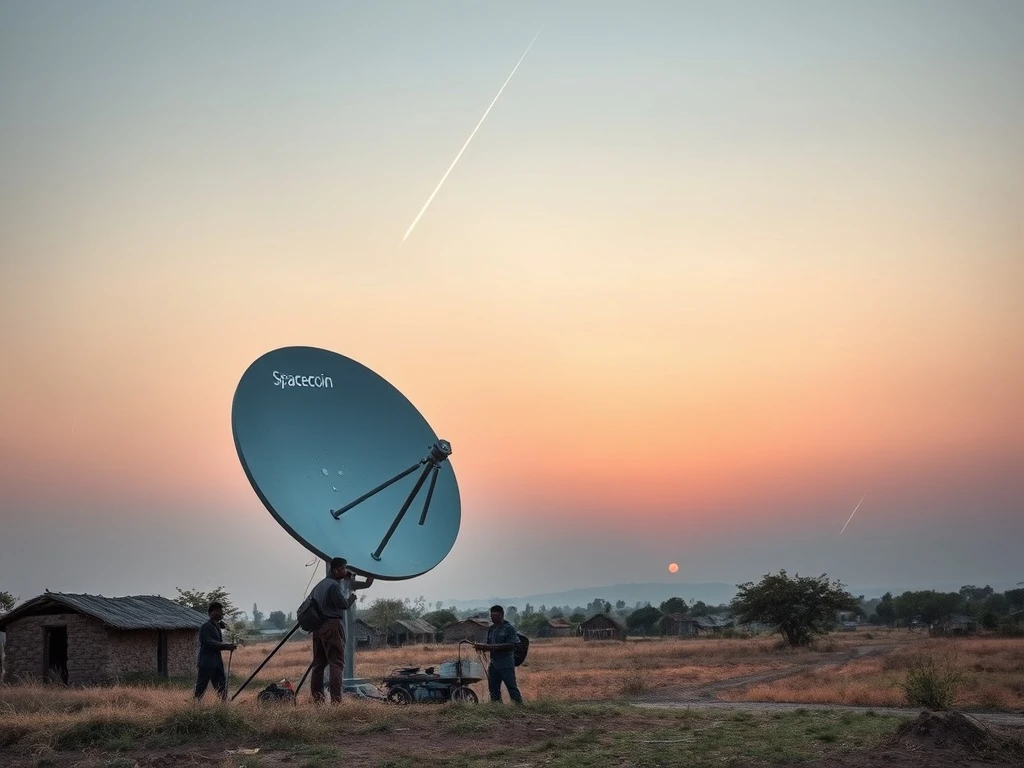
NAIROBI, Kenya – January 15, 2025 – Spacecoin (SPACE), the decentralized satellite internet initiative, has announced innovative strategic partnerships with multiple governments and telecommunications providers across Africa and Southeast Asia. These agreements mark a significant milestone in global connectivity efforts, particularly targeting regions with historically limited internet access. The project will launch localized Proof-of-Concept demonstrations to validate its technology’s applicability in diverse geographical and regulatory environments.
Spacecoin’s Strategic Expansion into Emerging Markets
Spacecoin has secured a satellite connection transmission license from the Communications Authority of Kenya for Internet of Things monitoring applications. This regulatory approval represents a critical first step in the project’s African deployment strategy. Meanwhile, the company is actively pursuing similar satellite connection Proof-of-Concept agreements with government bodies and local partners in Cambodia and Indonesia. These strategic moves demonstrate Spacecoin’s commitment to bridging digital divides through innovative satellite technology.
The core objective of these partnerships involves addressing persistent communications gaps in underserved regions. Spacecoin’s technology validation process will assess local applicability across different regulatory frameworks and geographical challenges. Regulatory bodies in these key emerging markets have recognized the potential of Spacecoin’s approach to connectivity solutions. Consequently, these collaborations emerged from extensive technical evaluations and regulatory discussions.
Technical Infrastructure and Deployment Timeline
Spacecoin plans to complete its initial satellite constellation using three CTC-1 satellites successfully launched via SpaceX missions. This infrastructure forms the backbone of the project’s connectivity solutions. The Proof-of-Concept demonstrations will test various applications including:
Also read: Bitcoin Treasury Companies Face New Pressure as US-Iran Tensions Shift
- IoT monitoring systems for agricultural and environmental data collection
- Emergency communication networks for disaster-prone regions
- Educational connectivity solutions for remote schools and communities
- Healthcare telemedicine applications connecting rural clinics to urban medical centers
Each demonstration will undergo rigorous performance evaluation against established connectivity benchmarks. Spacecoin engineers will collaborate with local technical teams to ensure proper system integration. The deployment timeline anticipates initial testing phases within six months of regulatory approvals.
Regulatory Market and Market Implications
The telecommunications regulatory environment in Africa and Southeast Asia presents both challenges and opportunities for satellite internet providers. Spacecoin’s successful licensing in Kenya suggests growing regulatory acceptance of alternative connectivity solutions. Similar regulatory frameworks in Cambodia and Indonesia are currently under review for satellite-based services. This regulatory evolution reflects broader trends in global telecommunications policy.
Market analysts note that successful Proof-of-Concept demonstrations could accelerate regulatory approvals across additional regions. The potential market impact extends beyond immediate connectivity improvements. These deployments could stimulate local technology sectors and create new economic opportunities. Furthermore, they might encourage traditional telecommunications providers to expand their own rural coverage initiatives.
Comparative Analysis of Satellite Internet Solutions
| Provider | Technology | Target Regions | Current Status |
|---|---|---|---|
| Spacecoin | Decentralized satellite constellation | Africa, Southeast Asia | Proof-of-Concept phase |
| Starlink | Low Earth Orbit satellites | Global coverage | Operational in 60+ countries |
| OneWeb | LEO satellite network | Global, emphasis on enterprise | Partial deployment |
| Project Kuiper | Amazon LEO constellation | Global consumer focus | Testing phase |
This comparative analysis highlights Spacecoin’s specific focus on emerging markets through localized partnerships. Unlike global providers pursuing broad coverage, Spacecoin emphasizes regional customization and regulatory collaboration. This strategic differentiation could provide competitive advantages in specific market segments.
Economic and Social Impact Assessment
Successful deployment of Spacecoin’s satellite internet services could generate significant economic benefits for target regions. Improved connectivity typically correlates with increased economic activity and educational opportunities. The International Telecommunication Union estimates that a 10% increase in broadband penetration can boost GDP by 1.38% in developing economies. Spacecoin’s initiatives align with United Nations Sustainable Development Goal 9, which focuses on building resilient infrastructure and developing innovation.
Social impacts might include enhanced access to digital education resources and telemedicine services. Remote communities could gain improved communication capabilities with urban centers and government services. Additionally, these connectivity improvements might support agricultural modernization through IoT monitoring systems. The potential for disaster response coordination represents another critical application area.
Technical Challenges and Solutions
Spacecoin faces several technical challenges in its target deployment regions. Tropical climates in Southeast Asia present unique atmospheric conditions affecting signal transmission. Similarly, diverse terrain across African deployment areas requires adaptable installation approaches. The company has developed specialized ground station equipment to address these environmental factors. Furthermore, power infrastructure limitations in remote areas necessitate energy-efficient system designs.
Spacecoin’s technical team has implemented innovative solutions including solar-powered ground stations and adaptive signal processing algorithms. These technical adaptations demonstrate the project’s commitment to practical, sustainable deployment. Ongoing testing will validate these solutions under real-world operating conditions.
Conclusion
Spacecoin’s strategic expansion into Africa and Southeast Asia represents a significant development in global connectivity initiatives. The project’s Proof-of-Concept demonstrations will test satellite internet technology’s applicability in diverse emerging markets. Successful implementation could bridge critical communications gaps and stimulate economic development. Spacecoin’s partnership approach with governments and local providers demonstrates a collaborative model for technology deployment. These initiatives could establish new benchmarks for connectivity solutions in underserved regions worldwide.
FAQs
Q1: What is Spacecoin’s primary objective with these new partnerships?
Spacecoin aims to validate its satellite internet technology through localized Proof-of-Concept demonstrations while addressing connectivity gaps in underserved regions of Africa and Southeast Asia.
Q2: Which countries are currently involved in Spacecoin’s expansion plans?
The project has secured licensing in Kenya and is pursuing agreements in Cambodia and Indonesia, with potential expansion to additional markets following successful demonstrations.
Q3: How does Spacecoin’s approach differ from other satellite internet providers?
Spacecoin emphasizes decentralized technology, localized partnerships with governments and telecom providers, and specific focus on emerging markets rather than global consumer coverage.
Q4: What technical infrastructure supports Spacecoin’s services?
The project utilizes three CTC-1 satellites launched via SpaceX, with ground station networks adapted for regional environmental conditions and power infrastructure limitations.
Q5: What potential impacts could successful deployment have on target regions?
Improved connectivity could stimulate economic growth, enhance educational and healthcare access, support agricultural modernization, and improve disaster response capabilities in underserved communities.

This article was produced with AI assistance and reviewed by our editorial team for accuracy and quality.