Solana’s Alarming Validator Exodus: Will 2026 Repeat the Devastating 2024 Bear Cycle for SOL?
January 27, 2026 – The Solana blockchain faces mounting pressure as its validator network experiences a significant contraction. Recent data reveals a troubling trend that echoes patterns from previous market downturns. This development places SOL’s key support zones under intense scrutiny. Market analysts now question whether fundamental weaknesses could trigger another prolonged bear cycle for the cryptocurrency.
Solana’s Validator Count Plummets to Critical Levels
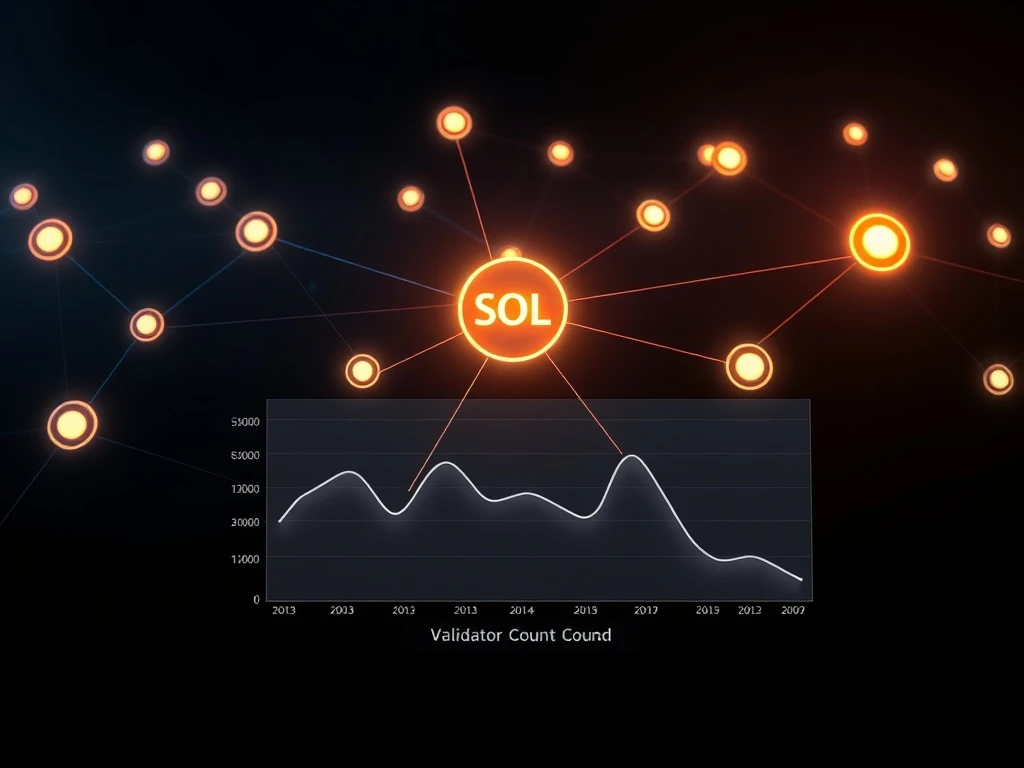
According to verified data from TheBlock, Solana’s daily active validator count has declined to approximately 789 nodes. This represents a substantial 43% reduction since 2025. Furthermore, this figure marks the network’s lowest validator participation since late December 2024. During that previous period, validator numbers bottomed at 675. That contraction coincided directly with SOL’s severe 2024 bear market phase.
Also read: Ethereum's $2,500 Challenge: Market Data and the Rise of Pepeto
The historical correlation between validator exits and price declines presents a concerning precedent. In late 2024, SOL’s value dropped 30% within a single month from its $260 peak. This price collapse occurred alongside a 51% validator exodus. The current parallel suggests fundamental stress extends beyond mere technical price charts. Validator departures directly impact network security and operational stability.
Several factors contribute to validator exits:
Also read: Crypto Listing Scams: Binance CEO Changpeng Zhao Issues Critical Warning to Investors
- Operating Cost Pressure: Rising hardware and energy expenses
- Revenue Uncertainty: Fluctuating network fee generation
- Market Sentiment: Broader cryptocurrency capital rotation
- Technical Requirements: Increasing network performance demands
Network Fundamentals Under Unusual Strain
Solana’s position as a high-performance Layer-1 blockchain makes validator economics particularly significant. The network has recorded five consecutive lower price lows since its mid-September 2025 peak near $250. This persistent downtrend squeezes validator profitability margins. Running a Solana validator requires significant computational resources and financial commitment.
Network fee analysis reveals a complex picture. During the Q4 2024 downturn, total fees plummeted approximately 70% to $3.95 million. That decline aligned perfectly with the 51% validator reduction. Currently, fee metrics show a different pattern. Total fees have actually increased roughly 150% to $1.23 million in the current 2026 cycle. However, this superficial growth masks underlying issues.
Monthly transaction volume tells a contrasting story. Activity has declined from over 2 billion transactions in December 2025 to about 1.58 billion in January 2026. This divergence indicates that fee growth stems primarily from higher transaction costs rather than increased network usage. Such cost-driven fee inflation fails to provide validators with sustainable, predictable revenue streams.
The Critical Intersection of Economics and Security
Blockchain security fundamentally depends on decentralized validator participation. Each validator exit reduces network redundancy and potentially increases vulnerability. Solana’s architecture emphasizes speed and low costs, but these advantages require reliable validator participation. The current trend threatens this foundational requirement.
Market analysts emphasize the importance of monitoring validator concentration metrics. As smaller operators exit, network control may consolidate among larger entities. This centralization risk contradicts blockchain’s core decentralization principles. Furthermore, reduced competition among validators could lead to higher user costs over time.
The Altcoin Season Index provides additional context for Solana’s challenges. This benchmark has declined about 20 points from its 57 peak in mid-January 2026. This measurement suggests capital rotation into alternative cryptocurrencies remains muted. Consequently, projects like Solana cannot rely on broader altcoin momentum to offset their specific fundamental issues.
Comparative Analysis: 2024 vs. 2026 Market Conditions
Understanding potential outcomes requires examining differences between the 2024 and 2026 environments. Several key distinctions emerge from current data and historical patterns.
| Metric | 2024 Bear Cycle | 2026 Current Situation |
|---|---|---|
| Validator Decline | 51% reduction | 43% reduction (ongoing) |
| Price Drop from Peak | 30% in one month | Multiple lower lows established |
| Network Fee Trend | 70% decrease | 150% increase (cost-driven) |
| Transaction Volume | Correlated decline | Diverging from fee growth |
| Market Context | Broad crypto winter | Selective altcoin pressure |
The table illustrates significant variations between periods. Most notably, the relationship between fees and validators has fundamentally changed. This alteration suggests different underlying economic pressures. However, the consistent validator exit pattern remains alarming for network health.
Potential Pathways and Network Responses
Solana’s development community and foundation likely monitor these trends closely. Several potential responses could address validator attrition. Protocol adjustments might modify fee distribution mechanisms. Additionally, staking reward restructuring could improve validator incentives. Technical optimizations may also reduce operational costs for node operators.
The broader cryptocurrency ecosystem faces similar challenges across multiple Layer-1 networks. Ethereum’s transition to proof-of-stake addressed some validator economics concerns. Other competitors constantly adjust their consensus mechanisms. Solana’s unique architecture requires tailored solutions that maintain its speed advantages while ensuring validator sustainability.
Market observers note that previous blockchain networks have recovered from validator declines. However, such recoveries typically required fundamental improvements rather than mere market rebounds. Solana’s team has demonstrated technical agility in past network challenges. This capability may prove essential in the current situation.
Macroeconomic Factors Influencing Validator Decisions
Global financial conditions significantly impact validator operations. Rising interest rates increase opportunity costs for capital locked in staking. Energy price volatility affects operational expenses directly. Regulatory developments create uncertainty for blockchain participants worldwide. These external factors compound Solana’s specific challenges.
Geopolitical analyst Ritika Gupta emphasizes the interconnected nature of these pressures. “Validator economics don’t exist in isolation,” notes Gupta. “They reflect broader capital allocation decisions across global markets. Current monetary policy and risk asset sentiment create headwinds for blockchain infrastructure investments.” This perspective highlights how traditional finance influences decentralized networks.
Conclusion
Solana confronts a critical juncture as validator exits reach multi-year lows. The network demonstrates concerning parallels to the 2024 bear cycle while facing distinct new challenges. Fee growth driven by higher costs rather than increased usage fails to provide sustainable validator economics. Without usage-led recovery or protocol adjustments, fundamental pressure may intensify. The coming months will test Solana’s resilience and its community’s ability to address these core network health issues. Market participants should monitor validator metrics alongside price action for comprehensive SOL analysis.
FAQs
Q1: Why do validator exits matter for Solana’s price?
Validator exits reduce network security and decentralization, potentially decreasing investor confidence. Historically, significant validator reductions have correlated with SOL price declines, as they indicate fundamental stress beyond market sentiment.
Q2: What causes validators to leave the Solana network?
Validators typically exit when operational costs exceed rewards. Factors include rising hardware/energy expenses, declining transaction fee revenue, unfavorable market conditions for staking returns, and technical challenges maintaining node performance.
Q3: How does the current situation differ from Solana’s 2024 bear cycle?
While validator declines show similarity, network fees have increased 150% in 2026 versus decreasing 70% in 2024. However, this fee growth comes from higher costs rather than more transactions, creating different economic pressure on validators.
Q4: Can Solana recover from this validator reduction?
Yes, through protocol improvements that enhance validator economics, increased network adoption that boosts fee revenue, market recovery improving staking returns, or technical optimizations reducing operational costs for node operators.
Q5: What should investors monitor regarding Solana’s validator health?
Key metrics include validator count trends, decentralization measures (like concentration among large operators), fee revenue per validator, transaction volume growth, and protocol changes affecting staking economics. These fundamentals provide deeper insight than price alone.

This article was produced with AI assistance and reviewed by our editorial team for accuracy and quality.