Solana’s Explosive User Growth Collides with Mounting Selling Pressure in Critical 2025 Market Test
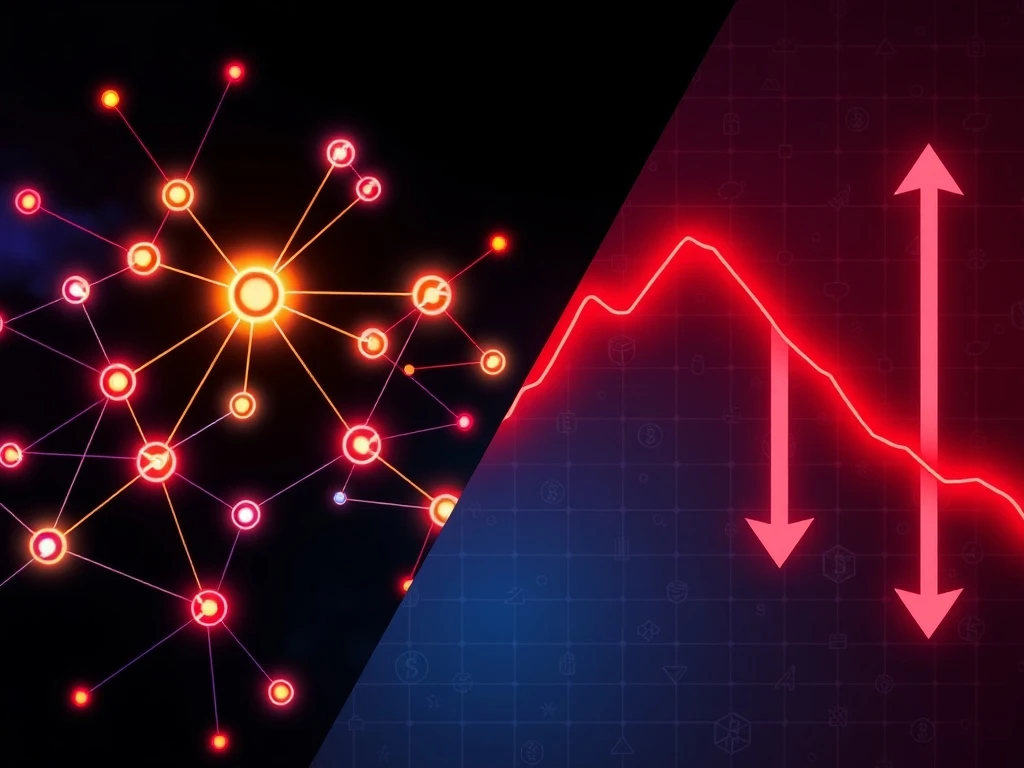
January 15, 2025 – The Solana blockchain network achieved a remarkable milestone this week, recording over 8.9 million new addresses in just 24 hours, yet this remarkable user growth now faces significant selling pressure from long-term holders, creating a complex market dynamic that could define the network’s trajectory through 2025.
Solana’s Record-Breaking Network Adoption
Solana’s network expansion represents one of the most significant adoption events in blockchain history. The platform processed more than 8 million new active addresses within a single day, surpassing previous records set by competing Layer 1 networks. This explosive growth demonstrates substantial demand for SOL tokens and reflects the expanding utility of Solana’s ecosystem.
Also read: AI Trading Agents: The Revolutionary Path to Mastering Your Crypto Portfolio in 2025
Several technical factors drive this adoption surge. First, Solana maintains extremely low transaction costs, typically below $0.01 per transaction. Second, the network’s proven scalability handles thousands of transactions per second without congestion. Third, the ecosystem supports diverse applications including decentralized finance protocols, non-fungible token marketplaces, and gaming platforms.
Key Drivers Behind Solana’s User Explosion
The network’s growth stems from multiple converging factors. DeFi projects on Solana now manage billions in total value locked, offering competitive yields that attract capital. Meanwhile, memecoin activity generates speculative interest while demonstrating the network’s capacity for high-volume trading. Additionally, institutional adoption continues expanding as enterprises recognize Solana’s technical advantages for commercial applications.
Also read: RunBot AI Trading Bot: Revolutionizing Automated Cryptocurrency Strategies with Machine Learning
| Metric | Value | Change |
|---|---|---|
| New Addresses (24h) | 8.9 million | +420% |
| Daily Transactions | 45.2 million | +185% |
| Average Fee | $0.008 | -12% |
| Active Validators | 2,145 | +8% |
Technical Analysis Reveals Bearish Patterns
Despite the network’s adoption success, technical indicators present concerning signals. The SOL price chart shows a distinct ascending wedge pattern, typically indicating potential reversal. This pattern emerged as SOL traded around $144, with analysts identifying a 9.5% correction risk. Critical support levels exist at $136 and $129, while resistance remains at $146.
Market data reveals increasing selling pressure from several sources. Long-term holders who accumulated SOL during previous market cycles now reduce their exposure. Meanwhile, institutional investors rebalance portfolios following the network’s substantial appreciation. Additionally, profit-taking accelerates as traders capitalize on recent gains.
Historical Context and Market Psychology
Similar patterns occurred during previous crypto market cycles. Network adoption spikes often precede price consolidation as early investors take profits. However, sustained adoption typically supports longer-term price appreciation. The current situation mirrors 2021 patterns where Ethereum experienced similar dynamics before establishing higher support levels.
Market psychology plays a critical role in this scenario. New users demonstrate strong confidence in Solana’s technology and ecosystem. Conversely, experienced investors recognize technical patterns that suggest temporary overextension. This creates a natural tension between network fundamentals and technical indicators.
Ecosystem Development Versus Market Pressure
Solana’s ecosystem continues expanding despite market pressures. Major developments include:
- DeFi Innovation: New lending protocols and automated market makers launch weekly
- Institutional Integration: Traditional finance institutions explore Solana for settlement
- Developer Activity: Over 2,500 monthly active developers build on the network
- Enterprise Adoption: Corporations implement Solana for supply chain and payment solutions
These developments create fundamental strength that may counterbalance selling pressure. Network utility increases as more applications launch, creating organic demand for SOL tokens. Additionally, staking participation remains high, with over 75% of circulating supply locked in validation.
Comparative Analysis with Competing Networks
Solana’s situation differs from other Layer 1 networks. Ethereum maintains stronger institutional holding patterns but experiences higher volatility during network upgrades. Meanwhile, newer networks like Aptos and Sui show similar adoption curves but lack Solana’s established ecosystem. This comparative context helps investors understand Solana’s unique position.
Transaction metrics demonstrate Solana’s competitive advantages. The network processes transactions 50 times faster than Ethereum at 1% of the cost. This efficiency attracts both developers and users seeking practical blockchain solutions. However, network decentralization remains an ongoing discussion within the community.
Regulatory Environment and Market Implications
The 2025 regulatory market influences Solana’s market dynamics. Recent guidance from global regulators provides clearer frameworks for blockchain networks. Specifically, the European Union’s Markets in Crypto-Assets regulation and United States legislative developments create more predictable operating environments.
These regulatory developments affect investor behavior. Institutional participants gain confidence from clearer guidelines, potentially increasing long-term holding. Meanwhile, retail investors benefit from improved consumer protections. The overall effect creates more stable market conditions despite short-term volatility.
Expert Perspectives on Network Sustainability
Blockchain analysts emphasize the importance of distinguishing between network growth and price appreciation. While correlation exists between adoption and valuation, timing differences create investment opportunities. Experts note that sustainable network growth typically precedes sustainable price appreciation by several quarters.
Technical analysts monitor key indicators including network revenue, developer activity, and institutional flows. These metrics provide more reliable signals than price action alone. Current data suggests Solana’s fundamentals remain strong despite technical price patterns indicating potential correction.
Conclusion
Solana’s remarkable user growth represents a significant milestone for blockchain adoption, yet this expansion now encounters substantial selling pressure from market participants. The network’s technical advantages continue attracting users and developers, creating strong fundamental support. However, technical analysis suggests potential price consolidation as the market digests recent gains. Investors should monitor both network metrics and price action to understand Solana’s evolving position within the competitive blockchain field of 2025.
FAQs
Q1: What caused Solana’s record user growth?
The growth stems from multiple factors including low transaction costs, proven scalability, expanding DeFi ecosystem, memecoin activity, and increasing institutional interest in blockchain technology.
Q2: Why is selling pressure increasing despite user growth?
Long-term holders who accumulated SOL during previous market cycles are taking profits, institutional investors are rebalancing portfolios, and technical patterns suggest potential correction, prompting some traders to reduce exposure.
Q3: What technical indicators suggest potential price correction?
The ascending wedge pattern on SOL charts indicates potential reversal, with identified support levels at $136 and $129. Technical analysis suggests a 9.5% correction risk from recent price levels around $144.
Q4: How does Solana’s situation compare to other blockchain networks?
Solana shows stronger user growth metrics than most competitors but faces similar profit-taking dynamics. The network’s technical advantages in speed and cost differentiate it from alternatives like Ethereum and newer Layer 1 solutions.
Q5: What should investors monitor in coming weeks?
Key indicators include network activity metrics, institutional flow data, regulatory developments, technical support levels, and ecosystem expansion through new application launches and developer adoption.

This article was produced with AI assistance and reviewed by our editorial team for accuracy and quality.