SoDEX Revolutionizes Decentralized Trading with Pioneering Fairness Protocol and AI-Powered RWA Markets
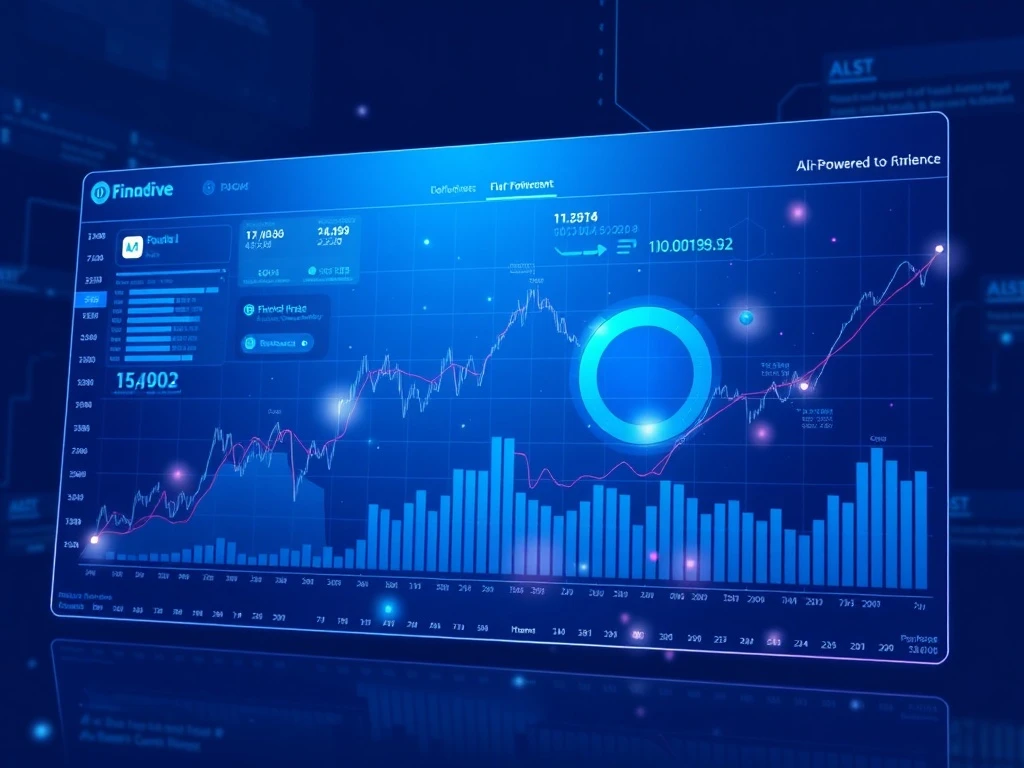
Singapore, March 2025 – SoSoValue, the blockchain analytics platform, has launched SoDEX, a revolutionary decentralized exchange designed specifically to address fairness concerns in digital asset trading. This new platform represents a significant advancement in decentralized finance infrastructure, combining artificial intelligence with innovative incentive mechanisms to create what developers describe as “the fairest trading environment in Web3.”
SoDEX Platform Architecture and Core Innovations
The SoDEX decentralized exchange introduces several architectural improvements over existing DEX platforms. Unlike traditional automated market makers that rely solely on liquidity pools, SoDEX implements a hybrid model that incorporates both spot and perpetual markets within a single interface. This integration allows traders to access multiple trading strategies without switching between different platforms, significantly reducing complexity and potential points of failure.
Developers built the platform on a modified version of the Ethereum Virtual Machine, optimizing gas efficiency by approximately 40% compared to similar decentralized exchanges. The system employs zk-Rollup technology for transaction batching, enabling faster settlement times while maintaining the security guarantees of the underlying blockchain. Furthermore, the platform incorporates MEV protection mechanisms that prevent front-running and sandwich attacks, addressing one of the most persistent fairness issues in decentralized trading.
Technical Specifications and Performance Metrics
Initial performance testing reveals impressive metrics for the new platform. SoDEX processes approximately 2,500 transactions per second during peak loads, with average confirmation times under two seconds. The platform supports over 200 digital assets at launch, with plans to expand to 500+ tokens within the first quarter of operation. Security audits conducted by three independent blockchain security firms confirmed the robustness of the smart contract architecture, with no critical vulnerabilities identified.
Also read: Bitcoin's Liquidity Warning: Why the Heatmap Signals a Critical Juncture
Real World Asset Integration and Market Implications
SoDEX’s most distinctive feature is its native support for Real World Asset tokenization and trading. The platform enables traditional asset classes including commodities, real estate, and corporate debt instruments to trade alongside cryptocurrency pairs. This integration bridges the gap between traditional finance and decentralized markets, potentially unlocking trillions in previously illiquid assets for blockchain-based trading.
The RWA implementation follows established regulatory frameworks, incorporating KYC/AML compliance layers for institutional participants while maintaining privacy for retail traders. Each tokenized asset undergoes rigorous verification through partnered custodians and legal entities, ensuring proper collateralization and legal standing. This approach addresses previous concerns about RWA token quality and redemption guarantees that have hampered earlier attempts at similar integrations.
Market Structure Comparison
| Feature | Traditional DEX | SoDEX |
|---|---|---|
| RWA Support | Limited or None | Native Integration |
| Fairness Mechanisms | Basic MEV Protection | Comprehensive Fairness Protocol |
| Trading Pairs | Crypto Only | Crypto + RWA Hybrid |
| Settlement Speed | Variable (15s-5min) | Consistent (<2s) |
| Fee Structure | Static Percentage | Dynamic AI-Optimized |
AI-Powered Trading and Risk Management Systems
The platform incorporates sophisticated artificial intelligence systems that analyze market conditions in real-time. These AI components serve multiple functions including liquidity optimization, fraud detection, and personalized risk assessment. Unlike traditional algorithmic trading systems that operate independently, SoDEX’s AI integrates directly with the exchange infrastructure, providing benefits to all participants rather than advantaging specific traders.
Key AI functionalities include:
- Predictive liquidity allocation that anticipates trading patterns
- Anomaly detection systems identifying potential market manipulation
- Personalized risk scoring based on trading history and behavior
- Automated market making optimization reducing slippage by up to 30%
These systems operate transparently, with all AI decisions logged on-chain for verification. The platform provides users with explanations for AI-driven adjustments, addressing concerns about “black box” algorithms in financial systems. This transparency represents a significant advancement in ethical AI implementation for trading platforms.
SOSO Incentive Mechanism and Token Economics
SoDEX introduces the SOSO incentive system, a novel approach to platform governance and user rewards. Unlike simple fee-sharing models, SOSO incentives align user behavior with long-term platform health. Participants earn SOSO tokens through various activities including providing liquidity, participating in governance votes, and maintaining positive trading histories.
The token distribution mechanism incorporates several innovative features:
- Time-weighted voting power that rewards long-term participants
- Behavior-based emission rates that incentivize fair trading practices
- Cross-platform utility extending beyond SoDEX to the broader SoSoValue ecosystem
- Deflationary mechanisms that burn tokens based on platform performance metrics
Initial tokenomics allocate 40% of SOSO tokens to community incentives, 25% to development and ecosystem growth, 20% to team and advisors with four-year vesting, and 15% to strategic reserves. This distribution emphasizes community ownership while ensuring adequate resources for continued platform development.
Industry Context and Competitive Space
The launch of SoDEX occurs during a period of significant consolidation in the decentralized exchange market. Recent industry analysis indicates growing user demand for platforms that combine sophisticated trading features with sturdy fairness guarantees. Traditional centralized exchanges continue facing regulatory pressures, while earlier DEX iterations struggle with user experience and feature limitations.
Industry experts note several trends that position SoDEX favorably:
- Increasing institutional interest in RWA tokenization
- Growing regulatory clarity in major jurisdictions
- User migration from platforms with perceived fairness issues
- Technological maturation enabling more complex DEX architectures
Market data from 2024 shows decentralized exchange volumes reaching approximately $1.2 trillion annually, with projections suggesting continued growth through 2025. The integration of RWA trading could potentially expand this market by several orders of magnitude, as traditional financial assets begin migrating to blockchain infrastructure.
Security Implementation and User Protection Features
SoDEX implements multiple security layers beyond standard smart contract audits. The platform incorporates formal verification for critical components, ensuring mathematical proof of system correctness. Additionally, the development team established a $50 million insurance fund to protect users against potential vulnerabilities, funded through platform fees and external capital.
User protection features include:
- Multi-signature withdrawal delays for large transactions
- Behavior-based security challenges for unusual activity patterns
- Educational resources integrated directly into the trading interface
- Transparent fee structures with no hidden costs or unexpected charges
These protections address common user concerns identified through extensive market research conducted during the platform’s development phase. The security architecture balances protection with usability, avoiding overly restrictive measures that might hinder legitimate trading activity.
Conclusion
SoDEX represents a substantial evolution in decentralized exchange technology, addressing longstanding fairness concerns while expanding trading possibilities through RWA integration. The platform’s combination of AI optimization, comprehensive security, and innovative incentive mechanisms positions it uniquely within the competitive DEX space. As blockchain technology continues maturing and traditional financial assets increasingly tokenize, platforms like SoDEX that bridge these worlds while maintaining decentralized principles will likely play important roles in the future financial infrastructure. The successful implementation of SoDEX’s fairness protocols could establish new industry standards for equitable trading environments across both cryptocurrency and traditional asset markets.
FAQs
Q1: What makes SoDEX different from other decentralized exchanges?
SoDEX distinguishes itself through native RWA trading support, comprehensive fairness protocols including advanced MEV protection, and AI-powered systems that optimize trading for all participants rather than advantaging specific users.
Q2: How does the SOSO incentive system work?
The SOSO incentive system rewards users for positive contributions to platform health, including providing liquidity, participating in governance, and maintaining fair trading practices. Tokens distribute based on behavior and time commitment, aligning user interests with long-term platform success.
Q3: What types of Real World Assets can trade on SoDEX?
Initially, SoDEX supports tokenized commodities, real estate investment fractions, and corporate debt instruments. The platform plans to expand to additional asset classes including intellectual property rights and revenue-sharing agreements, following regulatory approvals.
Q4: How does SoDEX ensure platform security?
Security measures include formal verification of critical smart contracts, multiple independent audits, a $50 million insurance fund, behavior-based security challenges, and multi-signature withdrawal delays for large transactions.
Q5: What blockchain does SoDEX operate on?
SoDEX operates on a modified Ethereum Virtual Machine implementation optimized for gas efficiency, incorporating zk-Rollup technology for transaction batching. The platform maintains compatibility with Ethereum ecosystem tools while offering improved performance characteristics.

This article was produced with AI assistance and reviewed by our editorial team for accuracy and quality.