Silver Market Cap Skyrockets: Historic $3.9 Trillion Surge Stuns Stocks and Crypto
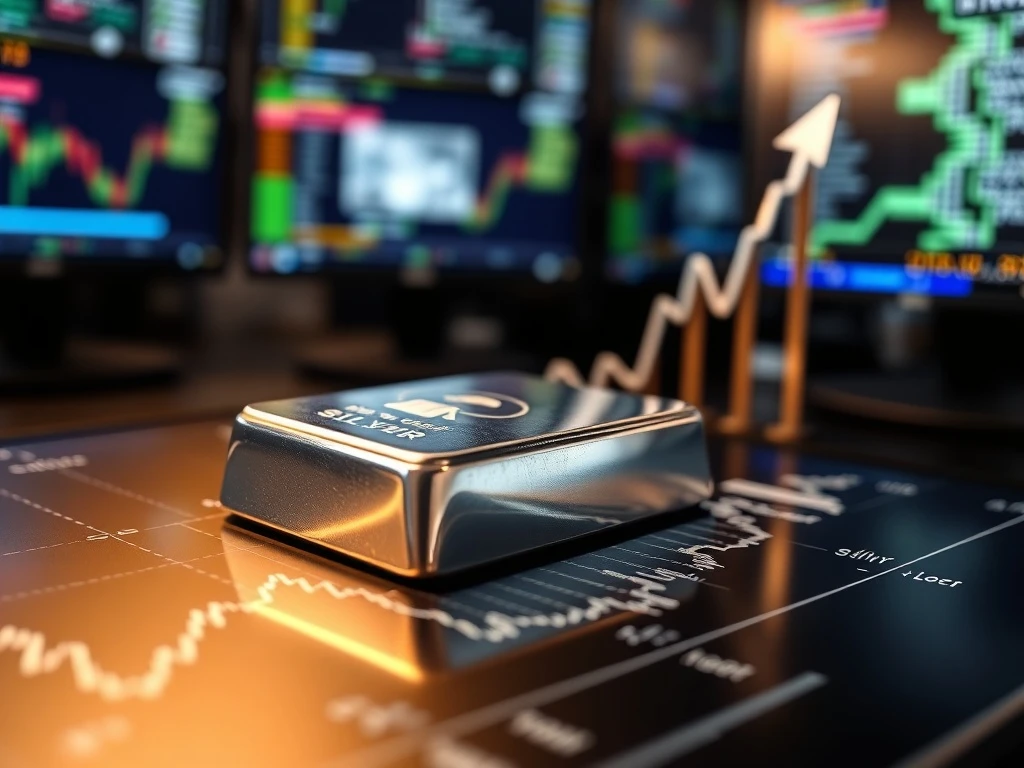
GLOBAL FINANCIAL MARKETS – In a stunning reversal of traditional asset hierarchies, the silver market has delivered a performance that has left stocks, cryptocurrencies, and even its peer gold in the shadows over the past year. According to data analyzed by CryptoBriefing and corroborated by major commodity exchanges, the total market capitalization of silver has exploded by an astonishing $3.9 trillion in just 12 months. This surge propels silver’s total valuation past the $5 trillion mark, cementing its position as the world’s second-largest physical asset class. The sheer scale of this move, which saw silver prices briefly touch an unprecedented $93 per ounce, represents one of the most significant capital reallocations in modern financial history.
Decoding the Silver Market Cap Explosion
The reported $3.9 trillion increase in silver’s market capitalization is not merely a price spike. It reflects a profound shift in global investment sentiment and capital flows. Market capitalization for a commodity like silver is calculated by estimating the total above-ground, investable supply and multiplying it by the current spot price. Consequently, this monumental gain signals both a dramatic price appreciation and heightened physical demand absorbing available supply. For context, this single-year gain for silver nearly equals the entire individual market cap of tech behemoths like NVIDIA at previous valuations. The rally pushed silver’s price to an all-time high near $93 before a modest correction stabilized it around $89, a level still considered extraordinary by historical standards.
Also read: Bitcoin Capital Rotation Triggers Critical Signal, Points to $41,400 Price Floor
Several intertwined factors created this perfect storm. First, persistent industrial demand from the green energy sector, particularly for solar panels and electric vehicles, continued its relentless climb. Second, macroeconomic uncertainty drove safe-haven buying into tangible assets. Furthermore, strategic stockpiling by nations and institutions concerned with supply chain resilience added consistent, non-speculative demand. This combination of utilitarian need and financial hedging created a demand profile unlike any previous cycle.
A Comparative Performance Breakdown
To fully grasp the magnitude of silver’s outperformance, a direct comparison with other major asset classes is essential. The following data, sourced from Bloomberg and Refinitiv terminals, illustrates the 12-month returns:
- Silver: Market cap increase of ~$3.9T (price surge driving ATH)
- Gold: Gained approximately 70% in price, maintaining its ~$32T market cap dominance.
- S&P 500 Index: Rose a respectable 17%, reflecting steady corporate earnings.
- Nasdaq Composite: Climbed 21%, supported by tech sector resilience.
- Bitcoin (BTC): Fell by 4%, underperforming amid regulatory evolution and market consolidation.
This performance table highlights silver’s unique position. While gold served as a pure monetary hedge, and equities grew with the economy, silver acted as a hybrid. It captured gains from both industrial growth and monetary fear, a dual mandate no other major asset could fulfill as powerfully during this period.
The Driving Forces Behind the Precious Metals Rally
The rally in precious metals, with silver at its vanguard, did not occur in a vacuum. It is the direct result of identifiable global economic currents. Central bank policies, particularly the prolonged period of high inflation followed by aggressive interest rate adjustments, eroded confidence in fiat currency valuations. Investors, from large pension funds to individual retail participants, increasingly sought assets with intrinsic value not tied to sovereign credit. Silver, with its deep historical role as money and its critical modern industrial applications, became a focal point for this capital.
Simultaneously, geopolitical tensions and trade realignments disrupted supply chains for critical minerals. Silver is indispensable in electronics, photovoltaics, and automotive sectors. Nations and corporations, aiming for strategic autonomy, began securing long-term physical supply. This institutional buying provided a solid, non-discretionary base of demand that supported prices even during periods of financial market volatility. The narrative shifted from silver as a speculative play to silver as an essential strategic resource.
Expert Analysis on Market Structure
Market analysts point to the changing structure of the silver market itself. The rise of physically-backed Exchange-Traded Funds (ETFs) and digital trading platforms has democratized access. This allowed a broader investor base to gain exposure without the logistical challenges of storing physical metal. The resulting financialization of silver, while sometimes increasing short-term volatility, ultimately deepened market liquidity and attracted more capital. Importantly, reported inflows into silver ETFs often mirrored the price gains, confirming that new money was driving the rally, not just speculative leverage.
Furthermore, mining supply constraints played a role. New silver mine projects face long lead times, significant capital costs, and stringent environmental approvals. For years, supply growth lagged behind demand growth, creating a fundamental deficit. The price surge is, in part, the market’s mechanism to correct this imbalance by incentivizing new production and recycling. However, the supply response is inherently slow, allowing prices to remain elevated for an extended period.
Implications for Investors and the Global Economy
The ascent of silver’s market cap to over $5 trillion carries significant implications. For portfolio managers, it forces a reassessment of asset allocation models. An asset class of this size can no longer be considered a niche or satellite holding. Its performance correlation, or recent lack thereof with tech stocks and crypto, offers potent diversification benefits. Financial advisors now routinely debate the appropriate weighting of physical commodities like silver within a balanced portfolio, a conversation once reserved primarily for gold.
On a macroeconomic level, the strength in silver signals market expectations about inflation, industrial production, and monetary stability. Sustained high prices increase costs for key green technologies, potentially impacting the pace of the energy transition. They also boost the export revenues and fiscal positions of major silver-producing nations like Mexico, Peru, and China. Conversely, they pressure manufacturing margins in electronics and jewelry. The silver market, therefore, has evolved into a crucial barometer for both financial and industrial economic health.
Conclusion
The historic $3.9 trillion surge in the silver market cap over the past year is a landmark event in global finance. It underscores a powerful convergence of industrial demand, monetary hedging, and strategic stockpiling. By decisively outperforming stocks, cryptocurrencies, and even gold on a percentage gain basis, silver has reasserted its dual identity as both an indispensable industrial metal and a timeless store of value. This move elevates the entire precious metals complex and challenges conventional wisdom about asset performance in the modern era. As markets digest this repricing, the silver market cap will remain a critical metric for gauging investor sentiment toward tangible assets, inflation, and global economic growth.
FAQs
Q1: What does “market capitalization” mean for a commodity like silver?
A1: For a commodity, market cap refers to the total estimated value of all above-ground, investable supply. It is calculated by multiplying the total available ounces (in vaults, ETFs, etc.) by the current spot price, providing a snapshot of the asset’s total financial size.
Q2: Why did silver outperform gold during this rally?
A2: Silver’s outperformance is largely attributed to its strong industrial demand profile, particularly from the solar and electronics sectors. While both benefit from safe-haven flows, silver gains an additional boost from economic growth, creating a dual-demand driver that gold lacks.
Q3: How does silver’s performance compare to the S&P 500 over the long term?
A3: Over very long periods (decades), broad equity indices like the S&P 500 have generally provided higher returns than commodities, which are cyclical. However, silver can experience explosive rallies during specific macroeconomic conditions, as seen recently, offering exceptional short-to-medium term gains.
Q4: Did the rise in silver’s market cap hurt Bitcoin and crypto?
A4: Correlation does not imply causation. Both asset classes can attract similar investors seeking alternatives to traditional finance. The recent period saw capital flow preferentially into tangible assets like silver amid specific macro fears, but crypto and precious metals can coexist as different types of alternative investments.
Q5: Is the current silver price sustainable?
A5> Sustainability depends on the persistence of its demand drivers. If industrial demand remains robust and investment demand stays high due to economic uncertainty, prices could stabilize at higher levels. However, commodity markets are cyclical, and high prices will eventually stimulate increased mining supply and recycling, which could apply downward pressure over time.

This article was produced with AI assistance and reviewed by our editorial team for accuracy and quality.