Seoul Crypto Scam: Police Hunt Suspect in Shocking $4.5K Fake Cryptocurrency Deal
SEOUL, South Korea – January 2025. Authorities from the Seoul Gangnam Police Station have launched a public manhunt for a suspect accused of orchestrating a brazen in-person cryptocurrency scam, absconding with 6 million won (approximately $4,500 USD) after luring a victim through a popular second-hand app. This incident underscores the persistent and evolving dangers within the peer-to-peer (P2P) digital asset trading arena, even in a technologically advanced financial hub like Seoul.
Anatomy of the Seoul Crypto Scam
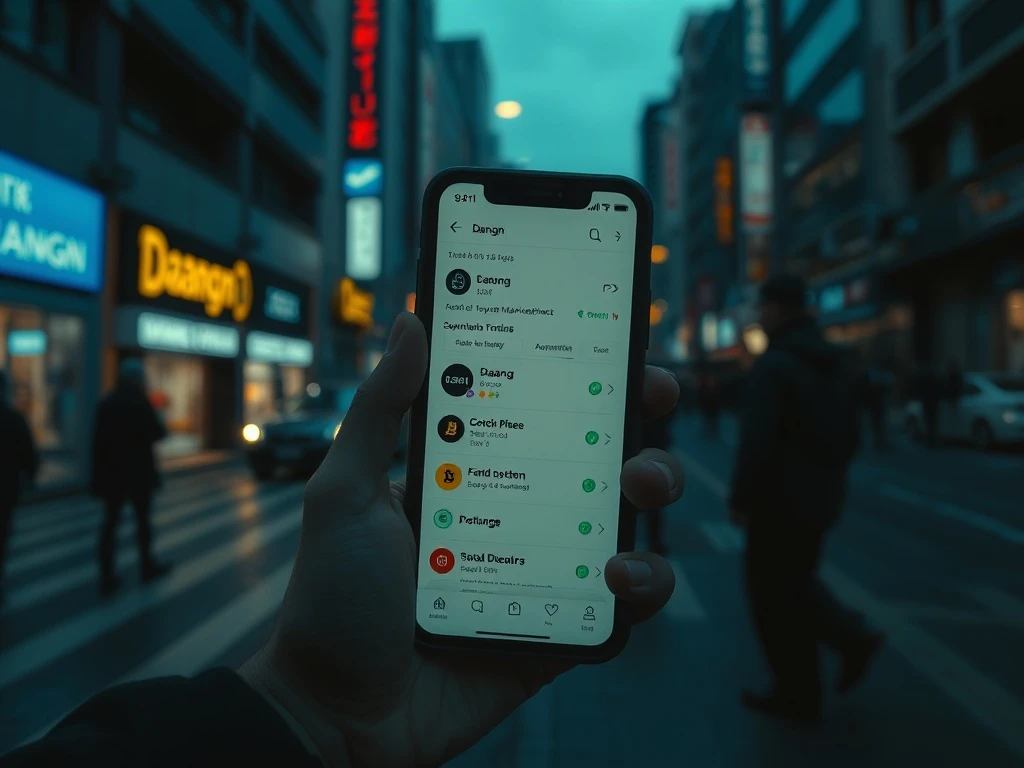
According to a report by TV Chosun, the theft occurred on January 17 in the Nonhyeon-dong neighborhood of Gangnam, a district synonymous with affluence and commerce. The suspect allegedly used the ubiquitous South Korean marketplace application Daangn to initiate contact. He presented an offer to sell cryptocurrency at a rate significantly below the prevailing market price, a classic lure designed to trigger urgency and bypass rational caution.
The victim, enticed by the potential savings, agreed to meet for a cash transaction. However, during the encounter, the suspect reportedly seized the physical cash and fled the scene, leaving the victim with no cryptocurrency and a substantial financial loss. This case highlights a critical vulnerability: the disconnect between the digital promise and the physical handover in unregulated P2P trades.
- Platform Used: Daangn (Karrot Market), a community-driven app for local buying and selling.
- Bait: Cryptocurrency offered below market value.
- Method: In-person meeting for a cash-for-crypto swap.
- Outcome: Suspect fled with cash, providing no digital assets.
The Rising Threat of In-Person Cryptocurrency Fraud
While online phishing and exchange hacks dominate headlines, in-person cryptocurrency fraud presents a distinct and growing threat. These scams exploit the inherent trust required for face-to-face transactions and often target individuals seeking to avoid formal exchange fees or verification processes. The Gangnam incident is not isolated; globally, law enforcement agencies report similar patterns where fake deals turn into robberies or simple cash grabs.
Also read: Bitcoin Treasury Companies Face New Pressure as US-Iran Tensions Shift
Furthermore, the use of legitimate community platforms like Daangn adds a veneer of credibility. Scammers infiltrate these trusted spaces, utilizing the platform’s local focus to identify potential victims within a specific geographic area. Consequently, the line between a legitimate private sale and a premeditated crime becomes dangerously blurred.
Expert Insight on P2P Trading Vulnerabilities
Financial cybersecurity analysts consistently warn about the risks associated with unmediated P2P crypto transactions. “Platforms like Daangn are designed for selling furniture or electronics, not for conducting high-stakes financial asset transfers,” notes a researcher from the Korea Fintech Security Institute. “They lack the escrow services, identity verification, and dispute resolution mechanisms that dedicated—though not infallible—crypto exchanges provide.”
The table below contrasts common transaction methods:
| Transaction Type | Key Protections | Primary Risks |
|---|---|---|
| Centralized Crypto Exchange | KYC/AML checks, platform escrow, customer support. | Hacking of exchange, regulatory shifts, custodial risk. |
| Peer-to-Peer (P2P) Platform with Escrow | Third-party holds crypto until payment confirmation. | Dispute complexity, payment method fraud (e.g., chargebacks). |
| In-Person, Cash-Only Deal (as in Seoul case) | Immediate settlement, privacy. | Theft, violence, counterfeit cash, no recourse. |
This framework clearly shows that in-person cash deals sit at the highest risk end of the spectrum, offering virtually no consumer protection.
Law Enforcement and Regulatory Context in South Korea
The Seoul police investigation unfolds against a backdrop of South Korea’s stringent and evolving regulatory stance on cryptocurrency. The nation has implemented solid Anti-Money Laundering (AML) rules for virtual asset service providers (VASPs) and mandates real-name bank accounts for trading. However, these regulations primarily govern formal exchanges, leaving the informal P2P market in a gray zone.
This gap creates an environment where criminals can operate. The Gangnam Police Station’s public appeal for information indicates they are treating this as a serious financial crime. Successful prosecution could set a precedent for handling similar cases, potentially pushing lawmakers to consider broader oversight of cryptocurrency-related advertisements and solicitations on general-purpose platforms.
Moreover, public awareness campaigns have intensified. The Financial Services Commission (FSC) and the Korean National Police Agency regularly issue advisories warning citizens about crypto investment scams. They emphasize verifying counterparties, using secure platforms, and being wary of offers that seem too good to be true—exactly the tactic used in this Daangn-facilitated scam.
Protective Measures for Crypto Traders
To mitigate risks, individuals engaging in any form of P2P cryptocurrency trading should adopt stringent safety protocols. First, always use a platform with a verified reputation system and a built-in escrow service that releases funds only after both parties confirm the transaction. Second, conduct thorough due diligence on the trading partner, reviewing their transaction history and community feedback.
If an in-person meet is unavoidable, choose a secure location such as a police station lobby or a bank—many jurisdictions now offer “safe exchange zones” for online marketplace transactions. Never carry large amounts of cash alone. Finally, trust your instincts; if a deal creates pressure or feels unusual, walk away. The potential discount is never worth the risk of total loss or personal harm.
Conclusion
The hunt for the suspect in the Seoul crypto scam serves as a stark reminder of the tangible risks in the digital asset economy. As cryptocurrency adoption grows, so do the methods of exploitation, with criminals adeptly repurposing everyday apps like Daangn to enable fraud. This incident reinforces the necessity for heightened personal vigilance, the use of secure transaction methods, and continued regulatory scrutiny of how cryptocurrency offers are marketed on all platforms. Ultimately, the promise of a below-market deal can carry a devastatingly high hidden cost.
FAQs
Q1: What was the main platform used in the Seoul cryptocurrency scam?
The suspect used Daangn (also known as Karrot Market), a popular South Korean second-hand marketplace app, to contact the victim with a fraudulent offer.
Q2: How can I avoid in-person cryptocurrency theft?
Avoid cash deals for large amounts. Use reputable P2P platforms with escrow services, meet in secure public locations like police station safe zones, and thoroughly vet the other party’s transaction history before agreeing to meet.
Q3: Are peer-to-peer cryptocurrency transactions illegal?
No, P2P transactions are not inherently illegal. However, they are largely unregulated compared to formal exchanges, carrying higher risks of fraud, theft, and no recourse in case of a dispute, as highlighted by the Seoul crypto scam.
Q4: What should I do if I am a victim of a similar crypto scam?
Immediately report the crime to your local police department with all available evidence, including chat logs, profile screenshots, transaction details, and any witness information. Also, report the user to the platform (e.g., Daangn) where the contact originated.
Q5: Why do scammers offer cryptocurrency below market price?
Offering crypto below market value creates a sense of urgency and opportunity, pressuring potential victims to act quickly without conducting proper due diligence. It is a common bait tactic to lure people into unsafe transaction scenarios.

This article was produced with AI assistance and reviewed by our editorial team for accuracy and quality.