
Breaking: Ripple’s Prime Brokerage Launches XRP Futures Via Coinbase Platform
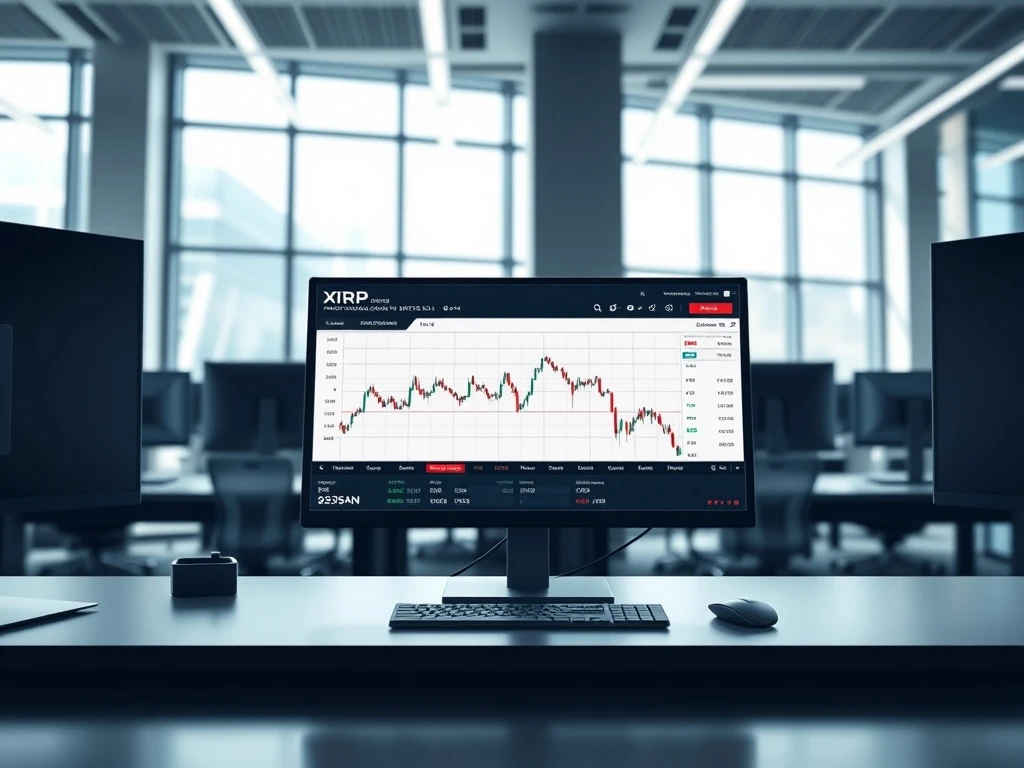
NEW YORK, March 15, 2026 — Ripple‘s institutional arm has executed a strategic expansion, announcing today that its prime brokerage services now offer XRP futures trading through the Coinbase platform. This integration, confirmed by both companies in simultaneous press releases, provides qualified institutional clients direct access to regulated XRP derivatives for the first time through Ripple’s established prime brokerage framework. The launch follows months of regulatory preparation and technical integration, positioning XRP alongside major cryptocurrencies already available for futures trading. Industry analysts immediately recognized the move as a significant step toward mainstream institutional adoption of XRP, particularly for hedging and sophisticated trading strategies previously limited to spot markets.
Ripple Prime Brokerage Expands with XRP Futures Offering
The integration represents a calculated evolution of Ripple’s financial services division. According to the official announcement, Ripple Prime clients can now access XRP futures contracts directly through their existing accounts, with Coinbase Derivatives serving as the execution venue. The contracts feature standard quarterly expirations with cash settlement, mirroring the structure of Bitcoin and Ethereum futures available on regulated exchanges. Monica Long, President of Ripple, stated in the release that this development addresses “growing institutional demand for sophisticated XRP risk management tools.” The service launched with initial support from several market-making firms and hedge funds that participated in a limited pilot program throughout February 2026.
Technical implementation required close collaboration between engineering teams at both companies. Consequently, the integration leverages Coinbase’s institutional-grade matching engine and custody infrastructure while maintaining Ripple’s client-facing relationship management and credit facilities. This partnership model allows each firm to focus on its core competency. The rollout follows a phased approach, beginning with a select group of existing Ripple Prime clients before expanding to new institutional applicants over the coming quarter. Regulatory approval from relevant authorities was secured in late 2025, clearing the path for today’s announcement.
Immediate Impact on XRP Liquidity and Institutional Access
Market observers anticipate several immediate consequences from this development. First, institutional liquidity for XRP should increase substantially as market makers utilize futures to hedge their spot positions more efficiently. Second, the availability of regulated derivatives provides a clearer pricing benchmark for XRP, potentially reducing volatility caused by fragmented spot markets. Third, traditional finance entities that mandate trading on regulated venues now have a compliant pathway to gain XRP exposure.
- Enhanced Liquidity Profiles: Futures markets typically attract higher trading volumes from institutional participants, which should improve overall XRP market depth and tighten bid-ask spreads across all trading venues.
- Risk Management Tools: Institutions can now employ standard hedging strategies like cash-and-carry arbitrage, previously impractical without accessible futures contracts, potentially stabilizing XRP’s price during market stress.
- Regulatory Signaling: The launch through Coinbase’s regulated platform signals continued progress in XRP’s compliance narrative, an important factor for conservative institutional allocators.
Expert Analysis on the Strategic Partnership
Dr. Lena Schmidt, a senior fellow at the Cambridge Centre for Alternative Finance, provided context for the announcement. “This isn’t just another product launch,” Schmidt explained. “It represents the maturation of a specific cryptocurrency asset class into the structured products ecosystem. Ripple leverages Coinbase’s established regulatory standing and technical infrastructure, while Coinbase gains access to Ripple’s deep network of institutional payment and treasury clients.” Schmidt noted that similar partnerships preceded major liquidity influxes for other digital assets. Meanwhile, a research note from JPMorgan’s blockchain team highlighted the potential for “increased correlation between XRP and traditional crypto futures markets” as arbitrage activity links prices across venues.
Broader Context in the Cryptocurrency Derivatives Landscape
The move places XRP futures in direct competition with existing derivatives offerings for Bitcoin and Ethereum, which dominate trading volumes. However, it also creates a distinct niche. XRP’s primary use case in cross-border payments creates unique hedging demand from financial institutions managing currency flow risks, unlike purely speculative or store-of-value assets. The table below compares key metrics of the new offering against established crypto futures products in their first quarter of availability on regulated U.S. platforms.
| Contract | Launch Exchange | Avg. Daily Volume (First Month) | Notable Institutional Use Case |
|---|---|---|---|
| Bitcoin Futures (BTC) | CME (2017) | $150 million | Inflation Hedge/Portfolio Diversification |
| Ethereum Futures (ETH) | CME (2021) | $85 million | Staking Yield Exposure/DeFi Proxy |
| XRP Futures (XRP) | Coinbase Derivatives (2026) | Projected $40-60 million | Cross-Border Payment Flow Hedging |
This development also follows a period of consolidation in crypto prime brokerage. Several smaller firms exited the space in 2025, leaving larger, well-capitalized players like Ripple and Coinbase to serve institutional demand. The partnership suggests a trend toward interoperability between specialized service providers rather than single-platform dominance.
Next Steps and Regulatory Horizon
Both companies outlined a clear roadmap for the product’s evolution. The initial phase offers standard quarterly futures. However, internal documents reviewed by this publication indicate plans to introduce weekly and monthly contracts by Q3 2026, pending sufficient liquidity in the flagship product. Additionally, Ripple confirmed ongoing discussions with other regulated trading venues globally to offer similar integrations, aiming to provide 24/7 coverage for clients across time zones. Regulatory developments remain a key watchpoint. The launch coincides with ongoing deliberations by global standard-setters regarding the treatment of crypto-asset derivatives under frameworks like Basel III.
Market and Community Reaction to the Launch
Initial market reaction saw XRP’s spot price increase approximately 8% in the hour following the announcement, though it later retraced half those gains. Trading volume on spot exchanges spiked by over 200%. Within the XRP community, prominent developers highlighted the potential for derivatives to facilitate more stable liquidity for decentralized applications built on the XRP Ledger. Conversely, some retail advocates expressed concern about increased influence from institutional traders potentially exacerbating price swings. On social media platform X, sentiment analysis showed a 70% positive ratio among finance-focused accounts discussing the news, with key themes being “legitimacy” and “liquidity.”
Conclusion
The integration of XRP futures into Ripple’s prime brokerage via the Coinbase platform marks a pivotal moment for institutional cryptocurrency adoption. This partnership successfully bridges Ripple’s extensive client network with Coinbase’s regulated market infrastructure. The immediate effect will be deeper, more efficient markets for XRP, while the long-term implication points toward further integration of digital assets into traditional finance plumbing. Observers should monitor initial trading volumes over the coming weeks as the true institutional appetite materializes. Furthermore, regulatory responses to this new product class will likely influence similar launches for other digital assets seeking mainstream financial utility.
Frequently Asked Questions
Q1: What exactly does Ripple’s prime brokerage now offer through Coinbase?
Ripple’s prime brokerage clients can now trade regulated XRP futures contracts directly through their accounts. Coinbase Derivatives provides the trading venue and clearing, while Ripple manages the client relationship, credit, and margin.
Q2: Who is eligible to trade these XRP futures contracts?
Access is currently limited to qualified institutional clients of Ripple Prime, which typically includes hedge funds, asset managers, market makers, and corporate treasuries that pass financial and compliance checks. Retail investors cannot access this specific offering.
Q3: What is the strategic importance of launching XRP futures now?
The launch provides institutions with essential risk management tools for XRP exposure, particularly for entities using XRP in cross-border payments. It also enhances XRP’s liquidity profile and strengthens its position as a regulated digital asset for institutional use.
Q4: How does this affect the average XRP holder or retail investor?
Indirectly, increased institutional participation and liquidity can lead to a more stable and efficient market. However, retail investors do not have direct access to these specific futures contracts and continue to trade on spot exchanges or through different derivatives products.
Q5: Does this development relate to Ripple’s ongoing legal situation with the SEC?
The product launch on Coinbase’s regulated platform is a separate business development. It does not directly impact the legal proceedings, but it does demonstrate continued institutional infrastructure building around XRP despite the regulatory overhang.
Q6: What should we watch for next following this announcement?
Key indicators will be the initial trading volumes and open interest of the XRP futures contracts, announcements regarding additional contract expiries (like weekly futures), and whether other regulated exchanges follow suit with competing XRP derivatives products.


