Reverse Osmosis Water Systems: The Precision Technology Behind Fully Automatic Filtration
Reverse osmosis precision filtration represents a significant advancement in water treatment technology, offering fully automatic purification for residential, commercial, and industrial applications. These sophisticated systems utilize semi-permeable membranes to remove contaminants with remarkable efficiency, typically eliminating 95-99% of dissolved solids, bacteria, and other impurities. The global water purification market continues to expand as communities worldwide address water quality concerns and seek reliable treatment solutions.
How Reverse Osmosis Precision Filtration Works
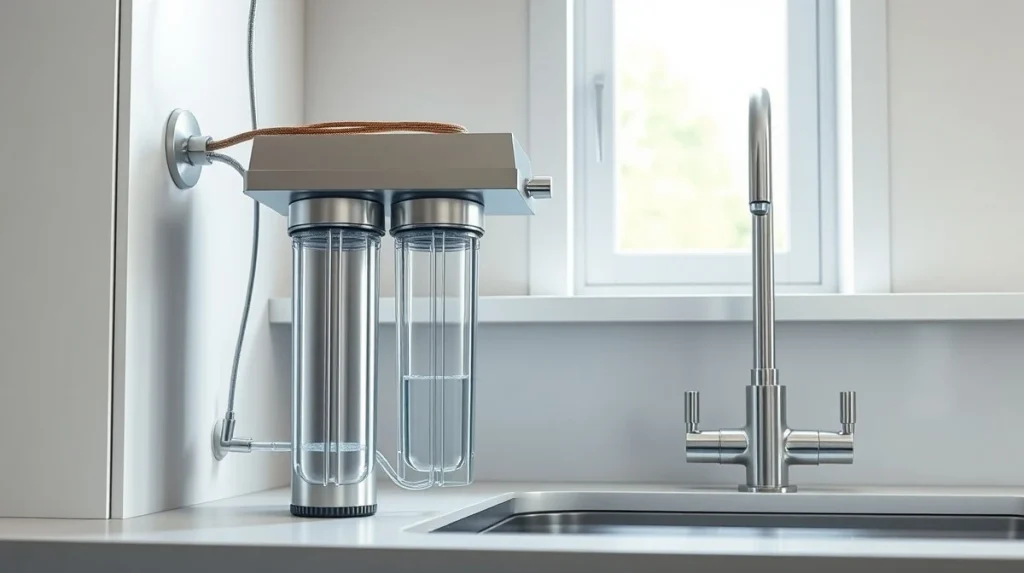
Reverse osmosis (RO) systems operate through a multi-stage process that begins with pre-filtration. Initially, water passes through sediment filters that remove larger particles like dirt, rust, and sand. Subsequently, activated carbon filters address chlorine, volatile organic compounds, and other chemicals that could damage the delicate RO membrane. The core filtration stage then occurs as pressurized water forces through the semi-permeable membrane, which features microscopic pores measuring approximately 0.0001 microns.
Also read: M Series ANC Token Presale Launches with Detailed Vesting
This membrane technology effectively blocks contaminants while allowing purified water molecules to pass through. Finally, post-filtration polishing stages often include additional carbon filters or remineralization cartridges that enhance water taste and quality. Modern systems incorporate automated monitoring and control mechanisms that regulate pressure, track filter life, and manage system performance without manual intervention.
Technological Advancements in Automatic Filtration
Recent innovations have transformed reverse osmosis systems from manual maintenance devices to fully automated purification solutions. Smart sensors now continuously monitor water quality parameters including total dissolved solids (TDS), flow rate, and pressure differentials. These systems automatically initiate cleaning cycles when performance metrics indicate membrane fouling or scaling. Additionally, wireless connectivity enables remote monitoring through mobile applications, providing users with real-time water quality data and maintenance alerts.
Also read: Pepeto Presale Attracts Investor Interest Amid Meme Coin Rally
Energy Efficiency and Sustainability Developments
Manufacturers have made substantial progress in reducing the energy consumption of reverse osmosis systems. Newer models incorporate energy recovery devices that capture and reuse pressure from the concentrate stream, significantly decreasing operational costs. Furthermore, advanced membrane materials have improved rejection rates while requiring lower operating pressures. These developments address historical concerns about RO systems’ water waste, with modern units achieving recovery rates of 50-75% compared to earlier models that wasted up to 80% of incoming water.
Applications Across Different Sectors
Reverse osmosis technology serves diverse applications with varying requirements. Residential systems typically process 50-100 gallons daily, focusing on drinking water purification. Commercial installations in restaurants, hotels, and offices often handle 500-5,000 gallons daily with more resilient components. Industrial applications, including pharmaceutical manufacturing and semiconductor production, utilize large-scale RO systems that process millions of gallons with ultra-pure water specifications.
The healthcare sector particularly relies on reverse osmosis for dialysis water preparation, laboratory applications, and sterile processing. Similarly, the food and beverage industry employs RO technology for ingredient water, bottling operations, and process water treatment. These varied applications demonstrate the versatility of precision filtration systems across different purity requirements and volume needs.
Market Trends and Industry Growth
The global water purification equipment market has experienced steady growth, driven by increasing water quality concerns and regulatory standards. According to industry analyses, the reverse osmosis segment represents a substantial portion of this market expansion. Several factors contribute to this growth, including deteriorating water infrastructure in aging urban systems, increased awareness of contaminants like PFAS and microplastics, and technological advancements that have made RO systems more accessible and efficient.
Regional adoption patterns reveal interesting trends, with North America and Europe maintaining strong markets for residential and commercial systems, while Asia-Pacific regions show rapid growth in industrial applications. Government regulations regarding water quality standards continue to evolve, often driving adoption of advanced filtration technologies in both public water systems and point-of-use applications.
Installation and Maintenance Considerations
Proper installation significantly impacts reverse osmosis system performance and longevity. Certified professionals typically assess water source characteristics, pressure requirements, and drainage options before installation. Regular maintenance includes scheduled membrane replacements, typically every 2-3 years depending on water quality and usage. Pre-filters generally require replacement every 6-12 months to protect the RO membrane from premature fouling.
Modern systems simplify maintenance through automated alerts and modular cartridge designs that enable quick replacement without specialized tools. Some advanced models even feature self-diagnostic capabilities that identify specific maintenance needs, reducing guesswork and ensuring optimal performance throughout the system’s operational life.
Comparative Analysis of Filtration Technologies
While reverse osmosis offers exceptional purification capabilities, understanding its position relative to other technologies provides valuable context. The following table compares key water treatment methods:
| Technology | Contaminants Removed | Typical Applications | Maintenance Requirements |
|---|---|---|---|
| Reverse Osmosis | Dissolved solids, bacteria, viruses, chemicals | Drinking water, medical, industrial | Membrane replacement every 2-3 years |
| Activated Carbon | Chlorine, chemicals, odors | Point-of-use, whole house | Cartridge replacement every 6-12 months |
| UV Purification | Bacteria, viruses | Well water, microbial control | Lamp replacement annually |
| Ceramic Filtration | Sediment, bacteria, cysts | Emergency, portable systems | Regular cleaning, occasional replacement |
This comparison highlights how reverse osmosis systems provide comprehensive contaminant removal but require more substantial infrastructure and maintenance than some alternative technologies. Many modern installations combine multiple technologies, using RO as the primary purification method with supplementary treatments for specific applications.
Future Directions in Water Purification Technology
Research continues to advance reverse osmosis technology through several promising avenues. Membrane materials science focuses on developing more durable, fouling-resistant surfaces that maintain high flux rates. Graphene-based membranes show particular promise for their exceptional strength and permeability characteristics. Additionally, system integration with renewable energy sources, particularly solar-powered RO systems, addresses energy consumption concerns in off-grid applications.
Smart water management represents another significant development area, with Internet of Things (IoT) connectivity enabling predictive maintenance and optimized performance based on usage patterns and water quality fluctuations. These advancements suggest continued evolution toward more efficient, accessible, and sustainable water purification solutions across all market segments.
Conclusion
Reverse osmosis precision filtration systems have evolved into sophisticated, fully automatic water purification solutions that address diverse water quality challenges. Through continuous technological improvements, these systems now offer enhanced efficiency, reduced maintenance requirements, and broader applicability across residential, commercial, and industrial sectors. As water quality concerns persist globally and technology continues advancing, reverse osmosis remains a critical component in comprehensive water treatment strategies, providing reliable purification through precision filtration mechanisms that balance performance with practical considerations.
FAQs
Q1: How often do reverse osmosis systems require maintenance?
Reverse osmosis systems typically need pre-filter replacements every 6-12 months, membrane replacements every 2-3 years, and annual sanitization. Modern systems with automatic monitoring provide maintenance alerts based on actual usage and performance data.
Q2: What contaminants do reverse osmosis systems effectively remove?
These systems remove approximately 95-99% of total dissolved solids, including heavy metals, fluoride, bacteria, viruses, pesticides, and pharmaceutical residues. However, they are less effective against volatile organic compounds, which require additional carbon filtration stages.
Q3: How much water do reverse osmosis systems typically waste?
Modern reverse osmosis systems have significantly improved water efficiency, with many models achieving 1:1 or 2:1 pure-to-waste ratios. This represents substantial improvement over earlier systems that wasted 3-4 gallons for every gallon purified.
Q4: Can reverse osmosis systems operate without electricity?
Basic reverse osmosis systems operate using water pressure alone and don’t require electricity for the filtration process. However, systems with additional features like electronic monitoring, automatic shutoff valves, or permeate pumps do require electrical connections.
Q5: What’s the typical lifespan of a residential reverse osmosis system?
With proper maintenance, residential reverse osmosis systems typically last 10-15 years. The membrane requires replacement every 2-3 years, while other components like storage tanks and faucets may need replacement after 5-10 years of regular use.

This article was produced with AI assistance and reviewed by our editorial team for accuracy and quality.