RESOLV Crypto Surges to $0.07787: Expert Analysis Reveals Important Bullish Pattern Signaling Potential Explosive Momentum
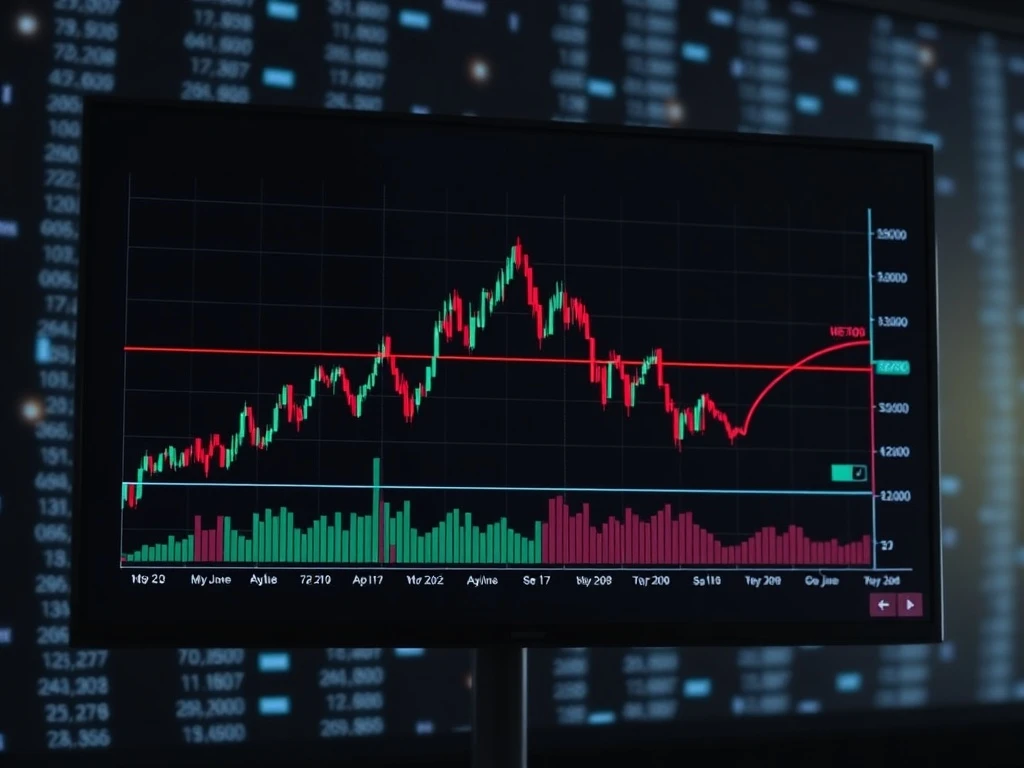
In a notable move within the dynamic digital asset market, the cryptocurrency RESOLV has climbed to a price of $0.07787, drawing significant attention from market analysts. This price movement coincides with the identification of a classic technical formation on its chart—the inverse head-and-shoulders pattern—which historically signals potential trend reversals from bearish to bullish. This analysis, based on observable chart data and trading volume, provides a factual framework for understanding current market behavior rather than speculative prediction.
RESOLV Crypto Price Action and Market Context
The recent ascent of RESOLV to $0.07787 occurs against a broader backdrop of evolving cryptocurrency market sentiment. According to data from major tracking platforms, the asset has demonstrated increased trading volume over the preceding weeks. Consequently, this volume surge often accompanies significant price discoveries. Market analysts routinely monitor such volume-price relationships to assess the strength behind a move. For context, RESOLV operates within the decentralized finance (DeFi) sector, a segment known for its volatility and rapid innovation cycles. The current price point represents a key level that technical traders watch closely.
Also read: Operation Atlantic: Global Law Enforcement Shatters $45M Crypto Fraud Ring
Understanding the Technical Field
Technical analysis serves as a toolkit for interpreting market psychology through price charts and historical data. Unlike fundamental analysis, which examines a project’s underlying technology and use case, technical analysis focuses on patterns and trends. Therefore, the identification of specific formations provides a structured way to analyze potential supply and demand shifts. It is key to note that these patterns indicate probabilities, not certainties, and should be considered alongside other market factors.
Decoding the Inverse Head-and-Shoulders Pattern
The inverse head-and-shoulders pattern is a well-documented chart formation in financial markets. It typically appears after a downtrend and suggests a potential reversal to an uptrend. The structure consists of three troughs: a lower trough (the head) between two higher troughs (the shoulders), all resting near a common resistance level called the neckline. A confirmed breakout above this neckline, especially on high volume, is the key signal watched by analysts.
Also read: Spartans.com Shatters Norms with $7 Million Leaderboard Launch, Rewriting Online Gambling Rules
- Left Shoulder: Forms as price declines and then rallies, creating the first trough.
- Head: Price declines further, creating a lower low, before rallying back to the neckline.
- Right Shoulder: Price declines again but finds support above the head’s low, forming a higher low, then rallies.
- Neckline Break: The decisive moment where price moves above the resistance level connecting the highs of the pattern.
For RESOLV, chart data indicates the potential completion of this formation’s structure. The trading volume profile shows a notable increase during the formation of the right shoulder and the recent price rise, which analysts cite as a factor adding credibility to the pattern’s development.
Historical Precedence and Analytical Methodology
Chart patterns like the inverse head-and-shoulders have a long history in traditional equity and commodity markets. Their application to cryptocurrency markets, while more recent, follows the same principles of analyzing collective market behavior. According to educational resources from the Chartered Market Technician (CMT) Association, the pattern’s measured move target is often projected by calculating the vertical distance from the head’s low to the neckline and extending that distance upward from the point of breakout.
Analysts applying this methodology to RESOLV’s chart would derive a theoretical price objective. However, experienced market commentators emphasize that such targets are guideposts, not guarantees. Real-world price action depends on subsequent volume, broader market sentiment, and project-specific developments. The 2024-2025 market cycle has seen several assets exhibit similar patterns with varying outcomes, highlighting the importance of context.
The Role of Trading Volume as a Confirmatory Signal
In technical analysis, volume acts as a gauge of conviction. A price movement on high volume is generally considered more significant than one on low volume. Data streams show that the activity around RESOLV’s recent price climb has been accompanied by above-average trading volume. This correlation is a standard point of analysis, as it suggests broader market participation in the move. Analysts cross-reference volume indicators like the On-Balance Volume (OBV) or Volume Profile to assess whether buying pressure is sustained.
Broader Cryptocurrency Market Dynamics in 2025
The analysis of RESOLV does not exist in a vacuum. The broader digital asset market in 2025 continues to mature, with increased institutional participation and regulatory developments shaping the environment. Factors such as Bitcoin ETF flows, Ethereum network upgrades, and macroeconomic interest rate policies create headwinds or tailwinds for all altcoins, including RESOLV. Therefore, while a bullish chart pattern for a single asset is noteworthy, its ultimate trajectory remains intertwined with these larger, systemic forces. Market participants typically use a multi-timeframe analysis, viewing short-term patterns within the context of long-term weekly and monthly charts.
| Factor | Observation | Common Interpretation |
|---|---|---|
| Price Level | $0.07787 | Tests a recent resistance zone; a key level for momentum. |
| Chart Pattern | Potential Inverse H&S | Suggests a possible trend reversal if neckline breaks. |
| Trading Volume | Elevated during rise | Indicates stronger conviction behind the price move. |
| Market Context | Evolving Altcoin Season | Sector-wide rotations can amplify individual asset moves. |
Risk Considerations and Balanced Perspective
Engaging with cryptocurrency markets requires an acknowledgment of inherent volatility and risk. Technical patterns can fail, and breakouts can reverse—a scenario known as a “false breakout.” Prudent market analysis always incorporates risk management principles. These include understanding support levels below the current price, considering position sizing, and being aware of upcoming project milestones or token unlock events that could affect supply dynamics. The identification of a bullish pattern is one input into a larger, disciplined trading or investment process.
Conclusion
The climb of RESOLV crypto to $0.07787 and the concurrent identification of an inverse head-and-shoulders pattern present a compelling case study in applied technical analysis. This development highlights the ongoing use of traditional charting methodologies within the modern digital asset space. The pattern’s potential, coupled with supporting trading volume, offers a data-driven narrative for the asset’s recent performance. Ultimately, market participants will watch for a confirmed breakout above the pattern’s neckline to validate the bullish thesis, while simultaneously weighing the action against the broader, ever-changing cryptocurrency market field.
FAQs
Q1: What is an inverse head-and-shoulders pattern?
It is a technical chart pattern that typically forms after a downtrend and signals a potential reversal to an uptrend. It is characterized by three troughs, with the middle one (the head) being the lowest.
Q2: Why is trading volume important when analyzing this pattern?
Volume acts as a measure of conviction. A breakout above the pattern’s neckline with high volume is considered a stronger, more reliable signal than a breakout on low volume, which might lack sustainability.
Q3: Does this pattern guarantee a price increase for RESOLV?
No technical pattern offers a guarantee. It indicates a higher probability of a bullish move based on historical precedents, but price action can always deviate due to unforeseen market events or shifts in sentiment.
Q4: How do analysts calculate a price target from this pattern?
A common method is to measure the vertical distance from the low of the head to the neckline. This distance is then projected upward from the point where the price breaks through the neckline resistance.
Q5: What should I consider alongside this technical analysis?
Always consider fundamental factors like project developments, overall cryptocurrency market trends, regulatory news, and macroeconomic conditions. Effective analysis combines multiple perspectives and employs strict risk management.

This article was produced with AI assistance and reviewed by our editorial team for accuracy and quality.