Pi Network Mainnet: Referral Rewards Migration Proceeds with Critical Verification Condition
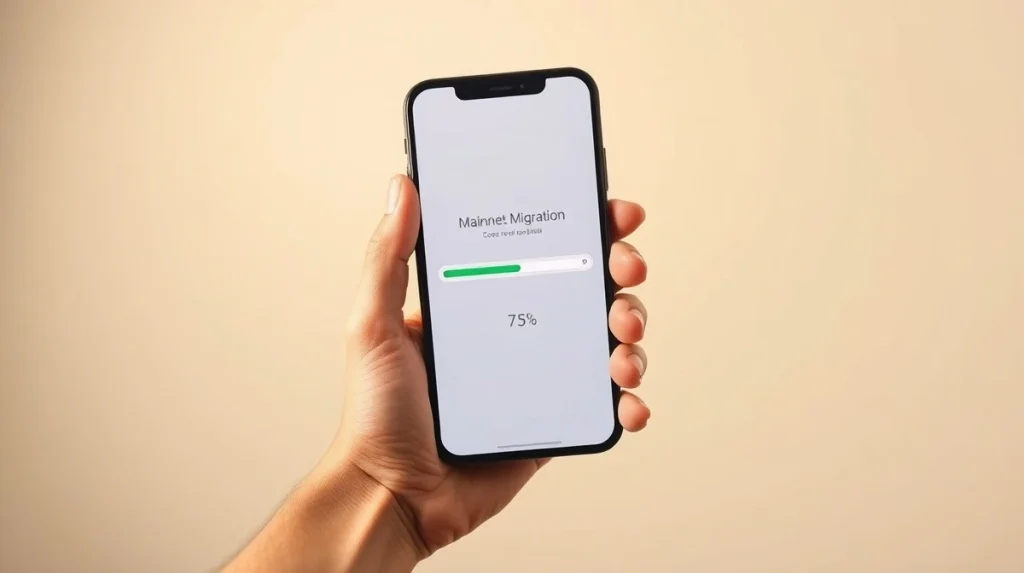
The Pi Network development team has announced a significant milestone in its blockchain project’s evolution, confirming that user referral rewards will begin migrating to the mainnet blockchain—but only after participants complete a mandatory identity verification process. This long-awaited transition represents a crucial step toward realizing the cryptocurrency’s utility and value proposition for its global community of over 47 million engaged users.
Pi Network Mainnet Migration Enters Critical Phase
The Pi Network project, launched in 2019 by Stanford University graduates Dr. Nicolas Kokkalis and Dr. Chengdiao Fan, has operated through distinct developmental phases. Initially, users mined Pi tokens through a mobile application during the ‘Beta’ and ‘Testnet’ periods. Subsequently, the project transitioned to ‘Enclosed Mainnet’ in December 2021, creating a firewall between the Pi blockchain and external exchanges. Now, the network approaches its next evolutionary stage with the migration of referral-based rewards to the functional blockchain.
This migration process follows extensive testing and community feedback gathered throughout 2024 and early 2026. The Pi Core Team emphasized that referral rewards constitute approximately 25% of most users’ Pi balances, making their secure transfer essential for network integrity. Furthermore, the team implemented multiple security layers during the migration to prevent fraudulent activity and ensure regulatory compliance across different jurisdictions.
Identity Verification: The Non-Negotiable Condition
The mandatory identity verification requirement represents the project’s commitment to building a compliant cryptocurrency ecosystem. All users must complete Know Your Customer (KYC) verification through Pi Network’s integrated validation system before their referral rewards become eligible for mainnet transfer. This condition aligns with global regulatory standards for cryptocurrency projects and addresses concerns about fake accounts or automated mining operations.
The verification system utilizes a combination of automated checks and human validators to confirm user identities. According to technical documentation released in February 2026, the process includes:
- Document validation using government-issued identification
- Liveness detection through facial recognition technology
- Cross-referencing against global sanctions lists
- Behavioral analysis of mining patterns and referral activity
Users who joined through legitimate referrals but cannot complete verification due to regional restrictions or documentation issues may participate in alternative validation programs. The Pi Core Team has established regional working groups to address verification challenges in specific geographic areas, particularly focusing on regions with limited access to formal identification systems.
Technical Implementation and Timeline
The migration employs a phased technical approach to ensure network stability and security. During the initial phase beginning March 2026, verified users will see their referral rewards marked as ‘pending migration’ within their Pi wallet interfaces. The actual blockchain transfer occurs in batches to prevent network congestion and allow for thorough auditing of each transaction group.
A comparative analysis of the migration process reveals several key technical considerations:
| Migration Component | Technical Approach | User Impact |
|---|---|---|
| Reward Calculation | Blockchain-based verification of historical mining data | Transparent audit trail for all rewards |
| Transfer Mechanism | Batch processing with cryptographic proofs | Gradual availability over 2-4 weeks |
| Security Protocol | Multi-signature wallet requirements | Enhanced protection against unauthorized transfers |
| Network Integration | Layer-2 scaling solutions for efficiency | Minimal transaction fees for users |
Network validators play a crucial role in this migration by confirming the legitimacy of referral relationships before approving reward transfers. Each validator node independently verifies the cryptographic proofs associated with referral chains, creating a decentralized consensus mechanism that prevents fraudulent reward claims.
Economic Implications and Market Context
The migration of referral rewards to mainnet carries significant economic implications for the Pi ecosystem. With referral rewards becoming transferable and potentially tradable (subject to regulatory approvals), the circulating supply of functional Pi tokens will increase substantially. However, the Pi Core Team has implemented several mechanisms to manage this expansion responsibly.
Economic safeguards include graduated release schedules tied to network utility metrics and community development milestones. Additionally, the project’s utility-focused approach emphasizes building real-world use cases before enabling broader market trading. This strategy differentiates Pi Network from many cryptocurrency projects that prioritize exchange listings over practical utility development.
The broader cryptocurrency market context in early 2026 shows increasing regulatory scrutiny of reward-based token distribution models. Pi Network’s rigorous verification requirements and phased migration approach demonstrate proactive compliance with emerging global standards for decentralized projects. Industry analysts note that this careful methodology may establish precedents for other social mining projects seeking long-term sustainability.
Community Response and Adaptation
Initial community feedback, gathered through Pi Network’s official forums and social media channels, indicates cautious optimism about the migration announcement. Many long-term users appreciate the project’s commitment to security and compliance, though some express concerns about verification accessibility in regions with limited technological infrastructure.
The Pi Core Team has responded to these concerns by expanding verification support resources and extending submission deadlines for users facing technical difficulties. Community moderators report increased engagement in educational materials explaining the verification process, with particular interest in privacy protections and data security measures.
Comparative Analysis with Similar Projects
Pi Network’s referral reward migration follows a more deliberate timeline than several comparable projects in the social cryptocurrency space. While some competing platforms rushed reward distributions to generate short-term excitement, Pi Network’s methodical approach prioritizes network security and regulatory compliance. This distinction reflects the project’s academic origins and research-driven development philosophy.
Technical comparisons reveal that Pi Network’s verification requirements exceed industry averages for similar reward programs. The project’s multi-layered validation system incorporates advanced privacy-preserving techniques that allow verification without storing sensitive user data on centralized servers. This architectural decision aligns with both regulatory requirements and community privacy expectations.
Conclusion
The migration of Pi Network referral rewards to mainnet represents a pivotal moment in the project’s evolution from conceptual framework to functional blockchain ecosystem. The mandatory identity verification condition, while potentially challenging for some users, establishes necessary foundations for long-term sustainability and regulatory compliance. As the migration progresses through 2026, its successful implementation will demonstrate the viability of community-driven cryptocurrency projects that balance innovation with responsibility. The Pi Network mainnet transition continues to unfold as a carefully managed process that prioritizes security, utility, and inclusive participation above rapid expansion.
FAQs
Q1: What exactly are Pi Network referral rewards?
Referral rewards are Pi tokens earned by users who successfully invite others to join and actively participate in the Pi Network ecosystem. These rewards represent approximately 25% of most users’ Pi balances and function as incentives for community growth.
Q2: Why is identity verification mandatory for reward migration?
Identity verification ensures compliance with global financial regulations, prevents fraudulent accounts from receiving rewards, and maintains the network’s integrity. This requirement aligns with Know Your Customer standards common in legitimate cryptocurrency projects.
Q3: How long will the migration process take for individual users?
Verified users can expect their referral rewards to become available on mainnet within 2-4 weeks after completing verification. The process occurs in batches to ensure network stability and thorough auditing of all transactions.
Q4: What happens if I cannot complete identity verification?
Users facing verification challenges can access alternative validation programs through Pi Network’s regional support systems. The project has established working groups to address specific geographic and documentation limitations.
Q5: Will migrated referral rewards be immediately tradable on exchanges?
Migration to mainnet makes rewards transferable within the Pi ecosystem, but external trading depends on regulatory approvals and exchange listings. The Pi Core Team emphasizes utility development before pursuing broad market trading.
This article was produced with AI assistance and reviewed by our editorial team for accuracy and quality.