Okratech Token’s Revolutionary Partnership with InitVerse Accelerates AI-Powered No-Code Web3 Innovation
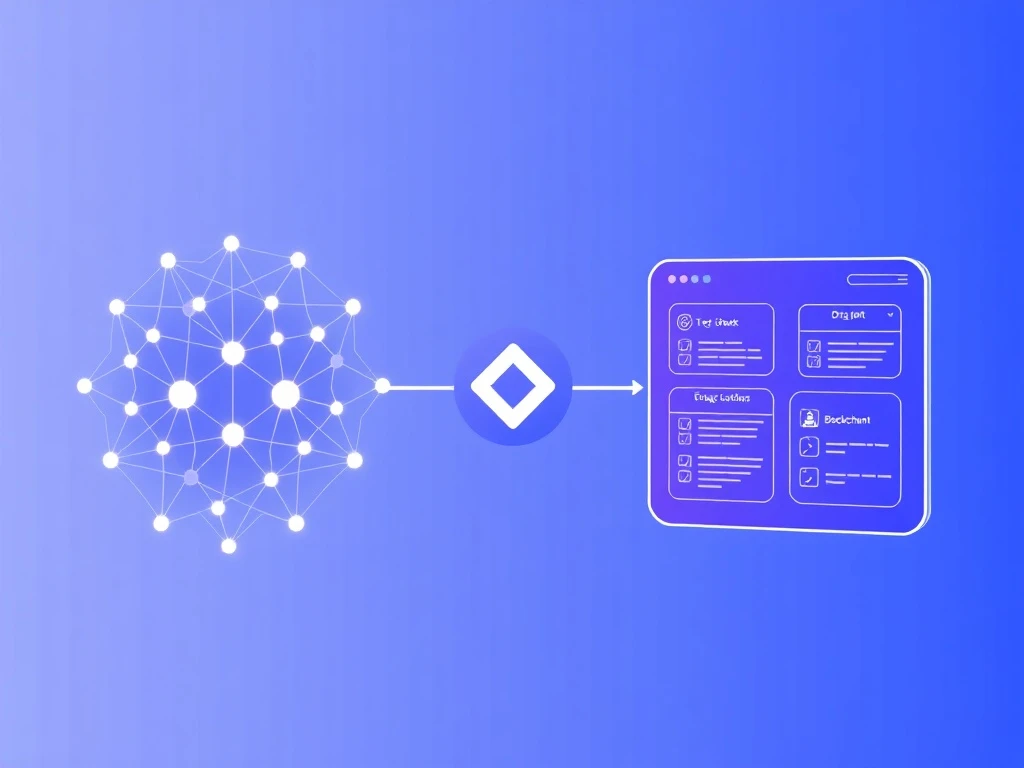
In a strategic move announced on March 15, 2025, Okratech Token has forged a novel partnership with InitVerse to dramatically expand AI-driven no-code Web3 development capabilities. This collaboration represents a significant milestone in blockchain technology’s evolution toward greater accessibility and utility. The partnership specifically targets the growing demand for simplified blockchain development tools that don’t require extensive programming expertise. Consequently, this initiative could potentially accelerate mainstream Web3 adoption by lowering technical barriers for businesses and individual creators alike.
Okratech Token and InitVerse Partnership Details
The formal partnership between Okratech Token and InitVerse establishes a comprehensive framework for integrating their respective technologies. Okratech Token brings its established blockchain infrastructure and token ecosystem to the collaboration. Meanwhile, InitVerse contributes its specialized no-code development platform designed specifically for Web3 applications. Together, they plan to launch a unified platform in Q3 2025 that combines AI-assisted development tools with blockchain deployment capabilities.
Also read: Binance ETH Supply Plummets to Critical Low as Stablecoin Reserves Explode
This integration will feature several key components. First, an AI-powered interface will guide users through Web3 application creation. Second, pre-built smart contract templates will ensure security and functionality. Third, automated testing and deployment pipelines will streamline the development process. Fourth, integrated tokenomics tools will help creators design sustainable economic models. Finally, cross-chain compatibility will maximize the platform’s utility across multiple blockchain networks.
The technical architecture employs a modular design approach. This allows users to select only the components they need for their specific projects. Additionally, the platform incorporates machine learning algorithms that analyze successful Web3 applications. These algorithms then suggest optimal configurations for new projects based on historical data patterns. The system also includes real-time analytics dashboards that provide insights into application performance and user engagement metrics.
Also read: Coinbase x402 Protocol Surrendered to Linux Foundation as Tech Giants Unite for AI Payment Standard
The Growing Convergence of On-Chain Utility
The Okratech-InitVerse collaboration reflects a broader industry trend toward converging on-chain utilities. Traditionally, blockchain platforms offered specialized functions like decentralized finance, gaming, or digital identity. However, recent developments show increasing integration across these domains. This convergence creates more comprehensive ecosystems where multiple utilities interact seamlessly. For instance, a gaming asset might simultaneously function as collateral in a lending protocol or as governance power in a decentralized organization.
Several factors drive this convergence trend. Market demand for interconnected services has increased substantially. Technological advancements in cross-chain communication have made integration more feasible. Regulatory clarity in certain jurisdictions has encouraged more comprehensive platform development. Furthermore, user expectations have evolved toward expecting unified experiences similar to traditional web applications.
Industry data from 2024 reveals compelling statistics about this convergence. Cross-chain transaction volume grew by 312% year-over-year. Multi-utility token implementations increased by 187%. Platforms offering three or more integrated utilities saw user retention rates 2.4 times higher than single-utility platforms. These metrics demonstrate clear market preference for converged blockchain ecosystems.
Expert Analysis of No-Code Web3 Development
Industry analysts view the Okratech-InitVerse partnership as strategically timed. According to blockchain development surveys, approximately 68% of businesses cite technical complexity as their primary barrier to Web3 adoption. No-code platforms address this challenge directly. They enable organizations without specialized blockchain developers to create and deploy decentralized applications. This accessibility could potentially unlock billions in economic value previously constrained by technical limitations.
The integration of AI further enhances this accessibility. Machine learning algorithms can now analyze thousands of successful smart contracts. They identify patterns and best practices that inform development recommendations. Natural language processing allows users to describe their desired applications in plain language. The AI then translates these descriptions into functional technical specifications. This represents a significant advancement from earlier no-code tools that offered limited customization options.
Security considerations remain paramount in this development approach. The platform incorporates multiple security layers. Automated smart contract auditing tools check for common vulnerabilities. Formal verification processes mathematically prove contract correctness. Multi-signature deployment requirements prevent unauthorized changes. These security measures address legitimate concerns about no-code development potentially increasing vulnerability risks.
Market Impact and Competitive Sector
The Okratech-InitVerse partnership enters a rapidly evolving competitive field. Several established technology companies have announced similar initiatives in recent months. However, the specific combination of AI-driven development with no-code Web3 tools appears unique in current market offerings. This differentiation could provide competitive advantages in attracting both enterprise and individual developers.
Market projections suggest substantial growth potential for no-code Web3 platforms. Industry analysts estimate the total addressable market could reach $18.7 billion by 2027. This represents a compound annual growth rate of approximately 42% from 2024 levels. The integration of AI capabilities could potentially accelerate this growth further. Early adoption patterns show particular strength in several sectors including digital art platforms, decentralized social networks, and supply chain management solutions.
The partnership’s success metrics will include several key performance indicators. User adoption rates across different market segments will provide important validation. Platform stability and security incident rates will demonstrate technical robustness. Developer community engagement will indicate ecosystem health. Finally, the economic activity generated by applications built on the platform will measure real-world impact.
Technical Implementation and Development Roadmap
The technical implementation follows a phased approach with clear milestones. Phase one involves API integration between Okratech’s blockchain infrastructure and InitVerse’s development environment. This phase includes extensive testing to ensure reliability and security. Phase two adds the AI-assisted development features with natural language processing capabilities. Phase three introduces advanced customization options for experienced developers who want more control.
The development team employs agile methodologies with two-week sprint cycles. Each sprint delivers specific, testable functionality increments. Continuous integration and deployment pipelines ensure code quality throughout development. The team conducts regular security audits at each major milestone. Additionally, they maintain a public bug bounty program to identify potential vulnerabilities before production deployment.
User experience design receives particular attention throughout development. The interface undergoes extensive usability testing with diverse user groups. Accessibility features ensure compliance with international standards. Multi-language support addresses global market needs. These considerations reflect the partnership’s commitment to creating genuinely accessible development tools rather than merely technically functional ones.
Conclusion
The Okratech Token partnership with InitVerse represents a significant advancement in Web3 accessibility through AI-driven no-code development tools. This collaboration addresses critical barriers to blockchain adoption while reflecting broader industry trends toward converged on-chain utilities. The platform’s technical architecture combines security, usability, and flexibility in ways that could accelerate Web3’s mainstream adoption. As development progresses toward the Q3 2025 launch, the industry will watch closely how this initiative influences the competitive market and expands practical blockchain applications across diverse sectors.
FAQs
Q1: What exactly does “no-code Web3 development” mean?
No-code Web3 development refers to creating blockchain applications without writing traditional programming code. Instead, users employ visual interfaces, drag-and-drop components, and configuration settings to build decentralized applications, smart contracts, and token systems.
Q2: How does AI enhance no-code Web3 development platforms?
Artificial intelligence enhances these platforms through several mechanisms including natural language processing that translates plain English descriptions into technical specifications, machine learning algorithms that suggest optimal configurations based on successful patterns, and automated testing tools that identify potential issues before deployment.
Q3: What types of applications can users build with this platform?
Users can build various Web3 applications including decentralized finance protocols, non-fungible token marketplaces, decentralized autonomous organizations, blockchain gaming ecosystems, supply chain tracking systems, and digital identity solutions, among others.
Q4: How does this partnership benefit existing Okratech Token holders?
The partnership expands the utility and adoption potential of the Okratech ecosystem, potentially increasing demand for the token across new use cases including platform fees, governance participation, and staking mechanisms within applications built using the development tools.
Q5: What security measures protect applications built with no-code tools?
The platform incorporates multiple security layers including formally verified smart contract templates, automated vulnerability scanning, multi-signature deployment requirements, regular third-party audits, and insurance options for high-value applications to mitigate potential risks.

This article was produced with AI assistance and reviewed by our editorial team for accuracy and quality.