Needle Safety Devices Market Poised for Steady 5.39% CAGR Growth Through 2034, Driven by Critical Injury Prevention Mandates
The global needle safety devices market is projected to expand at a compound annual growth rate (CAGR) of 5.39% through 2034, according to a recent DelveInsight analysis. This steady growth trajectory underscores a persistent, worldwide focus on reducing needlestick injuries among healthcare workers and patients. Market expansion is fundamentally driven by stringent regulatory frameworks, rising healthcare-associated infection concerns, and continuous technological innovation in safety-engineered medical devices.
Understanding the Needle Safety Devices Market Environment
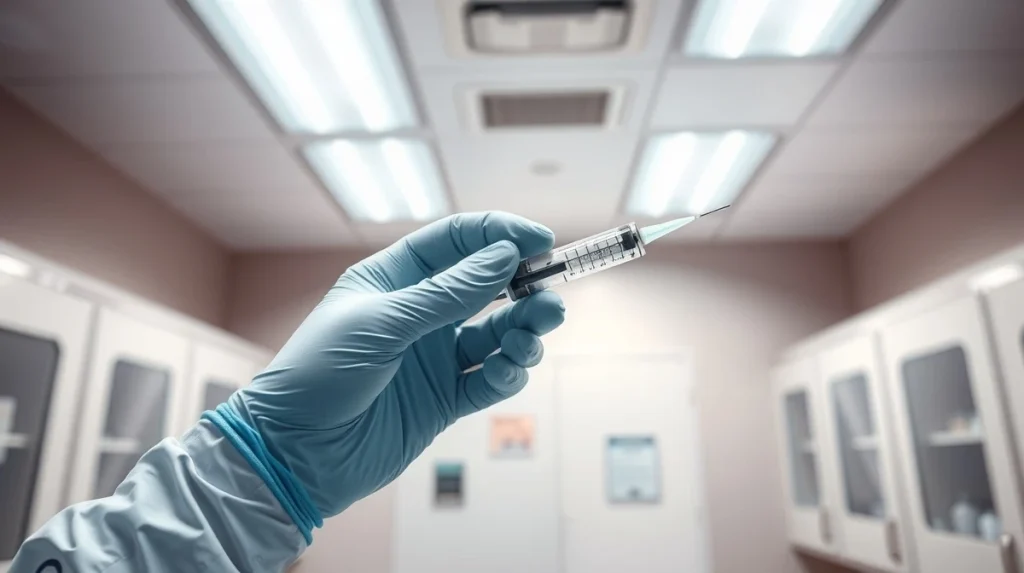
Needle safety devices include a range of products designed to prevent accidental needlestick injuries. These include safety-engineered syringes, blood collection devices, intravenous catheters, and prefilled injection systems with integrated safety features. The market’s consistent growth reflects a decades-long public health campaign. Following the landmark Needlestick Safety and Prevention Act of 2000 in the United States and similar directives globally, healthcare systems have increasingly mandated the use of safer needle technology.
Also read: M Series ANC Token Presale Launches with Detailed Vesting
Consequently, hospitals, clinics, and outpatient care centers represent the largest end-users. The transition from conventional devices to safety-engineered alternatives is now a standard practice in developed regions. However, significant growth potential remains in emerging economies where adoption is still accelerating. Market analysts consistently cite the high upfront cost of safety devices as a primary challenge, particularly for budget-constrained facilities in developing nations.
Key Drivers Fueling Market Expansion
Several interconnected factors are propelling the needle safety devices market forward. First, the undeniable human and financial cost of needlestick injuries creates immense pressure for change. The World Health Organization estimates that contaminated sharps injuries cause millions of exposures to bloodborne pathogens annually. These exposures can lead to infections like Hepatitis B, Hepatitis C, and HIV, resulting in profound personal and occupational health consequences.
Also read: Pepeto Presale Attracts Investor Interest Amid Meme Coin Rally
Regulatory Pressure and Standardization
Regulatory mandates form the backbone of market demand. Agencies like the U.S. Occupational Safety and Health Administration (OSHA) and the European Union’s Council Directive 2010/32/EU enforce strict requirements for sharps injury prevention. These regulations compel healthcare employers to evaluate, select, and use safer medical devices. Furthermore, they must maintain exposure control plans and record all injuries. This regulatory environment creates a non-negotiable market for compliant devices. Standardization bodies also play a role by establishing performance and safety criteria that manufacturers must meet.
Secondly, growing awareness and advocacy from healthcare worker unions and professional associations amplify the demand for safer working conditions. Nurses, phlebotomists, and emergency medical technicians, who are at highest risk, have been powerful voices for change. Their advocacy ensures that procurement decisions prioritize staff safety alongside patient care.
Technological Innovation and Product Segmentation
Innovation is a critical growth lever within the needle safety devices sector. Manufacturers continuously refine mechanisms like retractable needles, sliding shields, and hinged caps. The goal is to create intuitive, passive safety features that activate automatically upon use. A passive device, which requires no extra steps from the user, is considered the gold standard for reliability.
The market is broadly segmented by product type, technology, and end-user. Key segments include:
- Safety Syringes: The largest segment, featuring retractable needles or sheaths.
- Blood Collection Safety Devices: Including safety-winged blood collection sets and vacuum tubes.
- Insulin Pens and Prefilled Syringes: Growing due to the diabetes epidemic.
- Safety Intravenous Catheters: Featuring mechanisms to cover the needle upon withdrawal.
Each segment addresses specific clinical procedures and associated risks. For instance, the rise of biologics and injectable therapies has spurred demand for advanced safety systems in prefilled formats. Manufacturers compete not only on safety but also on ergonomics, ease of use, and integration with drug delivery protocols.
Regional Market Dynamics and Growth Opportunities
Geographically, North America and Europe currently dominate the needle safety devices market. These regions have mature regulatory frameworks and high healthcare spending. The United States, in particular, remains the single largest market due to its comprehensive regulatory enforcement and large hospital network.
However, the Asia-Pacific region is identified as the fastest-growing market. Rising healthcare expenditure, increasing medical procedure volumes, and gradual implementation of safety regulations in countries like China, India, and Japan are key factors. Local manufacturing is also expanding, which may help reduce costs and improve accessibility. Latin America and the Middle East & Africa present longer-term growth opportunities as their healthcare infrastructure develops and safety awareness increases.
Challenges and Competitive Arena
Despite positive trends, the market faces headwinds. Cost sensitivity remains the most significant barrier, especially in public health systems and low-resource settings. The price premium for safety devices can be substantial compared to conventional products. Additionally, training and compliance are ongoing challenges; a safety device is only effective if used correctly. Some studies note occasional resistance from healthcare workers accustomed to traditional techniques, highlighting the need for continuous education.
The competitive arena features a mix of large, diversified medical technology companies and specialized device makers. Key players often compete through extensive product portfolios, sturdy clinical evidence, and strong distribution networks. Mergers and acquisitions have been common as companies seek to broaden their safety device offerings. Success in this market depends on demonstrating not just regulatory compliance, but also real-world effectiveness in reducing injury rates and total cost of care.
Conclusion
The projected 5.39% CAGR growth for the global needle safety devices market through 2034 reflects a sustained commitment to healthcare worker and patient safety. This growth is not speculative but is built on established regulatory mandates, undeniable clinical need, and continuous product advancement. While economic and adoption challenges persist, the fundamental drivers—preventing life-altering infections and creating safer clinical environments—are powerful and enduring. The market’s expansion will likely remain steady, closely tied to global healthcare infrastructure development and the unwavering priority of injury prevention in medical practice.
FAQs
Q1: What is driving the growth of the needle safety devices market?
The growth is primarily driven by stringent government regulations mandating their use, rising awareness of needlestick injury risks, increasing volumes of injectable drug therapies, and ongoing technological innovations that make devices more effective and user-friendly.
Q2: What are the main types of needle safety devices?
The main types include safety-engineered syringes (retractable or with sliding shields), safety blood collection devices, safety intravenous catheters, and safety insulin pens or prefilled injection systems.
Q3: Which region has the largest market for these devices?
North America, particularly the United States, currently holds the largest market share due to early and comprehensive regulatory frameworks like the Needlestick Safety and Prevention Act and high healthcare spending.
Q4: What is the biggest challenge for market growth?
The highest barrier is cost. Safety devices are more expensive than conventional needles and syringes, which can limit adoption in cost-sensitive markets, especially in developing regions and within budget-constrained public health systems.
Q5: How do needle safety devices actually prevent injuries?
They incorporate built-in safety features—such as retractable needles, sheaths that automatically slide over the needle, or hinged caps—that physically block the sharp point after use, eliminating the exposure risk during disposal and handling.

This article was produced with AI assistance and reviewed by our editorial team for accuracy and quality.