NAGA Review: Platform Balances Advanced Tools with User Accessibility in 2026
FRANKFURT, Germany — March 15, 2026: The fintech brokerage NAGA continues its strategic evolution, publicly positioning itself as a platform seeking a critical middle ground. This NAGA review examines the company’s ongoing effort to balance sophisticated trading tools, broad market accessibility, and intuitive usability—a trilemma defining the competitive retail trading arena. As of Q1 2026, NAGA offers access to over 1,200 instruments, including cryptocurrencies, CFDs on stocks, forex, and commodities, through a unified ecosystem. The platform’s development, particularly its Autocopy social trading feature and integrated virtual wallet, reflects a targeted approach to serving both novice and experienced traders within a single environment, a challenge that industry analysts closely monitor.
NAGA’s Core Proposition: Tools Versus Approachability
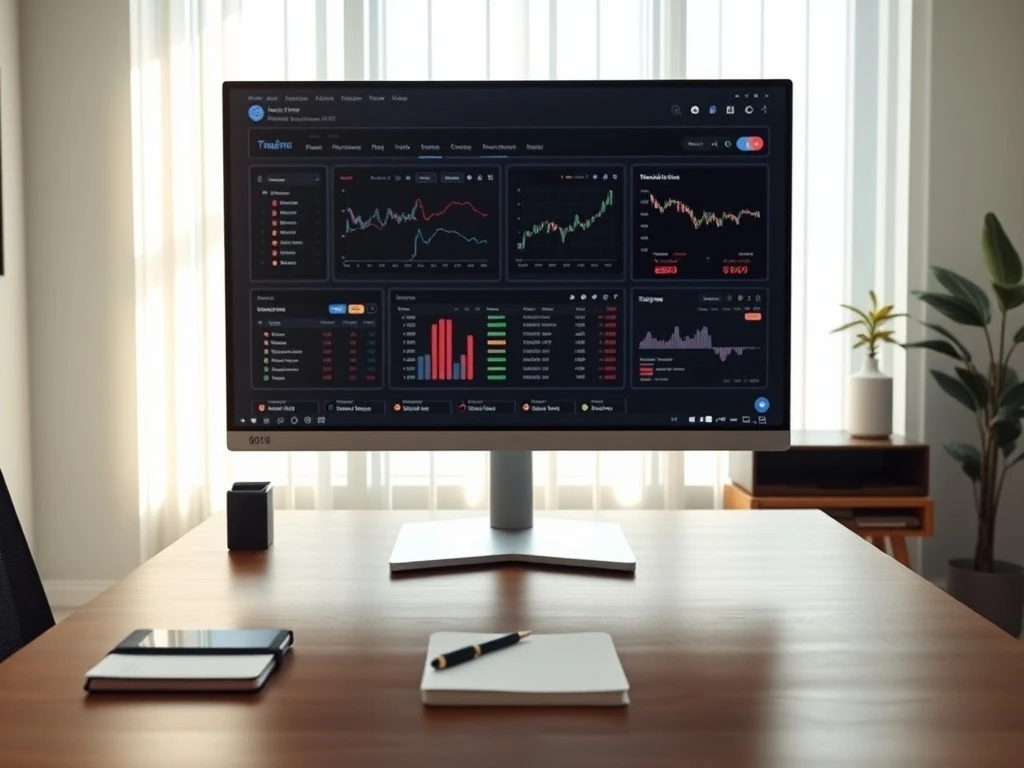
NAGA Group AG, a publicly traded entity (XETRA: N4G), operates on a foundational premise: democratizing advanced financial markets. The platform provides a suite of professional-grade tools, including advanced charting powered by TradingView, real-time market scanners, and detailed analytics. However, the central tension lies in making these tools approachable. A 2025 report by FinTech Futures highlighted that 68% of retail platform users abandon platforms they perceive as overly complex within the first month. Consequently, NAGA has invested in layered onboarding. New users encounter a simplified interface with core functions, while advanced modules unlock progressively. “Platforms face a design paradox,” notes Dr. Elara Vance, a fintech UX researcher at the European School of Management and Technology. “Power users demand depth, but complexity alienates the growth market. NAGA’s segmented interface is a direct response to this, though its success is measured by user retention metrics, which the company reports quarterly.”
Also read: American Bitcoin Holdings Surge to 7,000 BTC as Trump Family Doubles Down on Crypto Strategy
The technical backbone supports this duality. Users can execute trades via the proprietary NAGA WebTrader, the NAGA Mobile App, or through MetaTrader 4 and 5. This multi-terminal strategy caters to different user proficiencies. The proprietary platforms emphasize social features and a streamlined workflow, while the MT5 integration serves algorithmic traders and those requiring specific expert advisors (EAs). This hybrid model, operational since the platform’s major 2023 overhaul, aims to prevent user attrition as skills develop.
Evaluating Accessibility and Global Reach in 2026
Accessibility for NAGA encompasses regulatory reach, account funding, and asset diversity. The broker is regulated by CySEC (Cyprus) and the FSCA (South Africa), granting it operational passports across the European Union and key African markets. Notably, as of January 2026, it does not hold direct regulatory licensing in the United States or United Kingdom, shaping its user demographics. Account minimums start at $250, positioning it above some zero-commission rivals but below traditional prime brokerage thresholds. A key accessibility feature is the NAGA Virtual Wallet, which allows for internal transfers between trading accounts, a social feed, and a crypto wallet, reducing friction for users active in multiple asset classes.
Also read: Binance Oil and Gas Futures Launch with 100x Utilize: A High-Stakes Gamble for Traders
- Asset Coverage: Over 1,200 instruments, including 40+ cryptocurrency CFDs and spot pairs.
- Funding Methods: Credit/debit cards, bank wire, and a growing list of e-wallets like Skrill and Neteller, with crypto deposits accepted.
- Social Trading Integration: The Autocopy system is not a separate app but woven directly into the trading interface, lowering the barrier to strategy mirroring.
Expert Analysis on the Platform’s Strategic Positioning
Industry observers contextualize NAGA’s efforts within broader trends. “The ‘all-in-one’ fintech super-app model is under pressure,” states Markus Huber, a senior analyst at the investment firm CityFALCON. “Specialists often outperform in specific verticals like pure crypto trading or equities. NAGA’s bet is that a critical mass of retail clients prefer consolidated access, even at the cost of not having the absolute best tool for every single asset class. Their 2025 user growth of 15% year-over-year, as per their annual report, suggests this segment exists.” Huber references the company’s published financials, which show social trading features driving a significant portion of new account activations. This external data point underscores the commercial rationale behind prioritizing integrated social functionality alongside traditional charts.
The Usability Equation and Competitive Space
Usability remains the most subjective metric. In practical terms, NAGA’s interface reduces the steps to copy a trader or place a market order to three clicks from the dashboard. However, configuring complex conditional orders or accessing depth-of-market data requires navigation to advanced tabs. This contrasts with platforms like eToro, which prioritize social simplicity, or Interactive Brokers’ Trader Workstation, which offers unparalleled depth but a steeper learning curve. The table below illustrates this competitive positioning based on a composite of 2026 retail trader surveys from BrokerNotes and Investopedia.
| Platform | Tool Depth (1-10) | Ease of Use (1-10) | Social Trading Focus |
|---|---|---|---|
| NAGA | 7 | 7 | Integrated Core Feature |
| eToro | 5 | 9 | Primary Feature |
| MetaTrader 5 | 10 | 4 | Via Third-Party Add-ons |
| Plus500 | 6 | 8 | Minimal |
Future Developments and Regulatory Considerations
The road ahead for NAGA involves working through an evolving regulatory environment, particularly for crypto offerings and social trading disclosure. The European Union’s Markets in Crypto-Assets (MiCA) regulations, fully applicable in late 2026, will impose stricter requirements on crypto asset service providers. NAGA’s development roadmap, referenced in its latest investor presentation, includes enhancing risk disclosure tools within the Autocopy system and exploring more educational content modules to address regulatory expectations around investor competency. The platform’s ability to seamlessly integrate these mandatory elements without degrading the user experience will be a key test of its balanced design philosophy.
User Sentiment and Community Feedback
Community feedback from independent forums like Trustpilot and Forex Peace Army in early 2026 presents a mixed but evolving picture. Positive reviews frequently cite the all-in-one convenience and the active social trading community. Critical feedback often focuses on spreads during high volatility or the learning curve for advanced features. Unlike platforms with purely transactional relationships, NAGA’s community aspect generates a continuous feedback loop, which the company’s product team states it uses for iterative updates, a claim supported by its quarterly feature release notes.
Conclusion
This NAGA review finds the platform executing a deliberate, if challenging, strategy. It avoids being the simplest broker or the most technically profound, instead occupying a middle ground that serves traders seeking growth from novice to intermediate levels within one ecosystem. Its success hinges on continuous refinement—simplifying complexity without removing power. For the retail trader in 2026 who values social features alongside traditional charts and seeks exposure across crypto, forex, and stocks, NGA presents a viable, consolidated option. The platform’s future trajectory will depend on its execution in tightening regulatory climates and its continued investment in making advanced tools genuinely accessible, a balancing act that will define the next generation of fintech.
Frequently Asked Questions
Q1: What is NAGA’s primary differentiating feature in 2026?
NAGA’s core differentiator is the deep integration of social trading and copy trading features directly into its primary trading interface, alongside access to a wide range of asset classes including cryptocurrencies, stocks, and forex, all within a single account.
Q2: Is the NAGA platform suitable for complete beginners?
Yes, through its simplified onboarding mode and the Autocopy feature, which allows beginners to mirror the trades of experienced investors. However, beginners should fully utilize the platform’s demo account and educational resources to understand the risks of CFD and cryptocurrency trading.
Q3: What are the main regulatory licenses held by NAGA?
As of March 2026, NAGA Group AG is primarily regulated by the Cyprus Securities and Exchange Commission (CySEC) under license number 204/13 and by the Financial Sector Conduct Authority (FSCA) in South Africa. It operates in the EU under CySEC’s passporting rights.
Q4: How does NAGA make money?
NAGA generates revenue primarily through spreads (the difference between buy and sell prices), overnight financing fees for leveraged positions, and in some cases, commissions on certain asset types. It does not charge fees for deposits, withdrawals, or account maintenance.
Q5: Can I use automated trading strategies on NAGA?
Yes, but primarily through its integration with MetaTrader 4 and MetaTrader 5 platforms. Users can deploy Expert Advisors (EAs) and algorithmic scripts on MT4/MT5 while funding and managing their account through the NAGA ecosystem.
Q6: How does NAGA’s cryptocurrency offering compare to dedicated crypto exchanges?
NAGA offers trading via CFDs on cryptocurrencies and direct spot trading for some coins through its wallet. While it provides apply and integrates crypto with other assets, dedicated exchanges typically offer a wider selection of altcoins, direct wallet services for all listed coins, and often lower spot trading fees for high-volume traders.

This article was produced with AI assistance and reviewed by our editorial team for accuracy and quality.