Myopia Pipeline 2026: Revolutionary Therapies and Critical Clinical Trial Updates Transforming Treatment
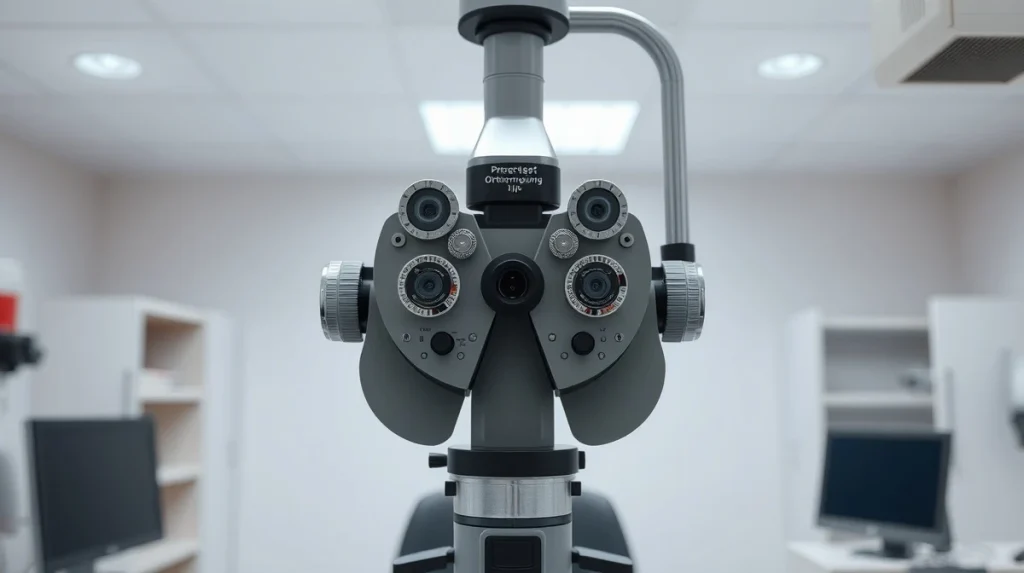
March 18, 2026 — The global myopia treatment market is undergoing significant transformation as multiple pharmaceutical and medical device companies advance innovative therapies through clinical development. According to recent pipeline analyses, several promising approaches targeting myopia progression are moving through clinical trials, potentially offering new solutions for the growing global myopia epidemic affecting billions worldwide.
Myopia Pipeline 2026: Current Treatment Field and Unmet Needs
Myopia, commonly known as nearsightedness, represents one of the most prevalent vision disorders globally. The World Health Organization estimates that approximately 2.6 billion people worldwide currently live with myopia, with projections suggesting this number could reach 4.8 billion by 2050. This rapid increase, particularly among younger populations in East Asia where prevalence exceeds 80% in some urban areas, has created urgent demand for effective interventions beyond traditional corrective lenses.
Also read: M Series ANC Token Presale Launches with Detailed Vesting
Current standard treatments primarily include eyeglasses, contact lenses, and refractive surgery. However, these approaches address symptoms rather than underlying progression. Consequently, researchers have intensified efforts to develop therapies that can slow or halt myopia advancement, especially in children where progression rates are highest. The economic burden of myopia-related complications, including increased risk of glaucoma, cataracts, and retinal detachment, further underscores the need for innovative solutions.
Mechanism of Action Insights Driving Innovation
Recent scientific understanding of myopia pathogenesis has revealed multiple potential therapeutic targets. Researchers now recognize that environmental factors, genetic predisposition, and visual signaling pathways all contribute to excessive axial elongation of the eye. Specifically, studies have identified dopamine signaling, retinal defocus mechanisms, and scleral remodeling as key areas for intervention.
Also read: Pepeto Presale Attracts Investor Interest Amid Meme Coin Rally
Several companies are developing therapies based on these mechanistic insights. For instance, some approaches target muscarinic receptors to influence eye growth, while others utilize specialized optical designs to manipulate retinal image quality. Additionally, emerging pharmaceutical candidates aim to modulate biochemical pathways involved in scleral extracellular matrix remodeling. This diversity of mechanisms reflects the complex pathophysiology of myopia and suggests that combination therapies may eventually become standard.
Key Companies and Their Pipeline Developments
The myopia treatment pipeline features contributions from established ophthalmology companies and innovative newcomers. Each organization brings distinct technological approaches and clinical development strategies to address different aspects of myopia management.
Medical Device Innovations
Several medical device manufacturers are advancing specialized contact lenses and optical devices designed to slow myopia progression. These products typically employ unique optical designs that create peripheral defocus or manipulate contrast signals to influence eye growth.
- CooperVision continues to develop its MiSight® 1 day contact lens, which uses ActivControl® Technology to create myopic defocus. Recent clinical trial extensions have demonstrated sustained efficacy over multiple years of use.
- Carl Zeiss AG is investigating spectacle lenses with Defocus Incorporated Multiple Segments (DIMS) technology. Clinical studies have shown these lenses can reduce myopia progression by approximately 60% compared to standard single-vision lenses.
- Alcon has entered the space with investigational contact lenses featuring novel optical designs, though specific clinical data remains limited pending further trial completion.
Pharmaceutical Approaches
While medical devices dominate current myopia control, pharmaceutical companies are exploring pharmacological interventions that could offer complementary or alternative approaches.
| Company | Candidate | Mechanism | Development Stage |
|---|---|---|---|
| Multiple Investigators | Low-dose Atropine | Muscarinic receptor antagonism | Phase 3 trials ongoing |
| Emerging Biotech | Dopamine agonists | Retinal dopamine modulation | Preclinical/Phase 1 |
| Research Institutions | Scleral remodeling agents | Extracellular matrix modulation | Preclinical investigation |
Low-dose atropine eye drops have emerged as one of the most studied pharmacological approaches. Multiple clinical trials worldwide are investigating optimal concentrations (typically 0.01% to 0.05%) that balance efficacy with minimal side effects like pupil dilation and accommodation difficulty. The LAMP2 study extension data published in 2025 provided additional evidence supporting the long-term safety profile of low-dose atropine.
Clinical Trial Sector and Regulatory Considerations
The clinical development pathway for myopia therapies presents unique challenges compared to other ophthalmic conditions. Researchers must design trials that adequately measure progression slowing over sufficient timeframes, typically 1-3 years, while accounting for age-related changes in pediatric populations where most interventions are targeted.
Current clinical trials employ various endpoints, including changes in spherical equivalent refraction, axial length measurements, and quality of life assessments. Regulatory agencies like the U.S. Food and Drug Administration and European Medicines Agency have established pathways for myopia control devices, with several products already receiving approval in various global markets.
However, standardization of clinical trial design remains an ongoing discussion within the ophthalmology research community. Experts emphasize the need for consistent measurement protocols, appropriate control groups, and long-term safety monitoring, particularly for interventions intended for use in developing children. The collaboration between academic researchers, industry sponsors, and regulatory bodies continues to refine these frameworks as the field evolves.
Geographic Variations in Research Focus
Myopia research intensity varies significantly by region, reflecting differing prevalence rates and healthcare priorities. East Asian countries, particularly China, Singapore, and Taiwan, have invested substantially in myopia research given their high population prevalence. Consequently, many clinical trials enroll predominantly Asian participants, raising questions about generalizability to other ethnic groups.
Meanwhile, research in North America and Europe has increasingly focused on understanding genetic factors and developing personalized approaches. This geographic diversity in research emphasis ultimately strengthens the global evidence base but requires careful consideration when interpreting clinical trial results across different populations.
Market Dynamics and Future Directions
The myopia treatment market represents a rapidly expanding segment within ophthalmology. Analysts project continued growth driven by increasing prevalence, greater awareness, and expanding treatment options. However, market adoption faces challenges including reimbursement limitations, accessibility issues in developing regions, and the need for specialized fitting and monitoring for some devices.
Future developments will likely focus on several key areas:
- Personalized medicine approaches that match specific interventions to individual risk profiles and progression patterns
- Combination therapies utilizing both optical and pharmacological mechanisms for enhanced efficacy
- Digital health integration incorporating wearable sensors and telemedicine for improved monitoring and adherence
- Health economics research demonstrating long-term value and cost-effectiveness of myopia control interventions
Additionally, public health initiatives aimed at environmental modifications, such as increased outdoor time and reduced near-work activities, continue to complement medical interventions. The most effective myopia management strategy will likely integrate clinical treatments with lifestyle modifications, requiring collaboration across healthcare providers, educators, and policymakers.
Conclusion
The myopia pipeline for 2026 demonstrates remarkable innovation across multiple therapeutic approaches, from specialized optical devices to novel pharmacological agents. As clinical trials progress and regulatory approvals expand, patients will gain access to increasingly effective options for managing myopia progression. However, significant challenges remain in ensuring equitable access, optimizing treatment protocols, and understanding long-term outcomes. The ongoing research efforts by companies and academic institutions worldwide reflect the substantial unmet need in myopia management and the potential for transformative impact on global eye health. Continued investment in basic science, clinical research, and public health initiatives will be essential to address the growing myopia epidemic effectively.
FAQs
Q1: What is the most promising myopia treatment currently in development?
Multiple approaches show promise, including specialized contact lenses with optical designs that slow eye growth and low-dose atropine eye drops. The optimal treatment often depends on individual factors like age, progression rate, and lifestyle considerations.
Q2: How do clinical trials measure the effectiveness of myopia treatments?
Clinical trials typically measure changes in two primary parameters: refractive error (measured in diopters) and axial length (the distance from cornea to retina). Effective treatments show significantly slower progression in these measurements compared to control groups over 1-3 year periods.
Q3: Are there any approved treatments specifically for slowing myopia progression in children?
Yes, several medical devices have received regulatory approval in various markets. These include specific contact lens designs and spectacle lenses that incorporate specialized optical technology to reduce progression rates. Pharmaceutical options remain under investigation in most regions.
Q4: What role do genetics play in myopia development and treatment response?
Genetic factors contribute significantly to myopia risk, with hundreds of genetic variants identified through genome-wide association studies. However, environmental factors like near work and limited outdoor time also play essential roles. Research into personalized treatment based on genetic profiles is ongoing but not yet clinically implemented.
Q5: How long do patients typically need to use myopia control treatments?
Myopia progression generally continues until late teenage years or early adulthood, so treatments are typically recommended throughout this period. The exact duration depends on individual progression patterns and treatment goals, with some patients continuing treatment into their early twenties if progression persists.

This article was produced with AI assistance and reviewed by our editorial team for accuracy and quality.