Mobile Robots Market Surges Toward $37 Billion Milestone as Automation Transforms Global Supply Chains
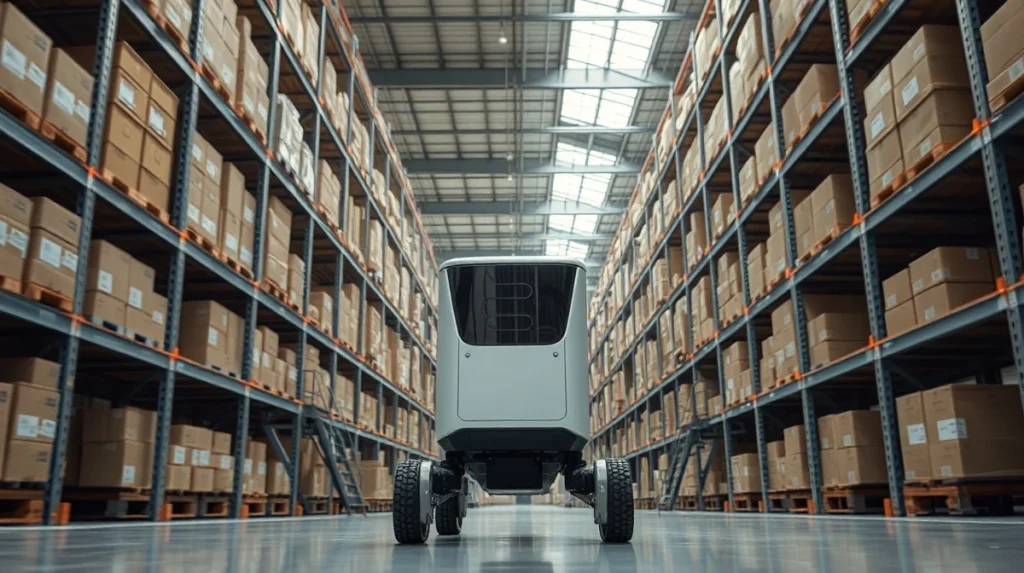
The global logistics and manufacturing sectors are undergoing a profound transformation, fundamentally driven by the rapid adoption of autonomous technology. According to a comprehensive new industry analysis, the mobile robots market is on a significant growth trajectory, projected to reach a valuation of USD 37.33 billion by 2031. This expansion is primarily fueled by escalating demand for automated material handling solutions and the widespread deployment of autonomous fleets within warehouses, factories, and hospitals worldwide. The push for greater operational efficiency, coupled with persistent labor challenges and advancements in artificial intelligence, is accelerating this technological shift across numerous industries.
Mobile Robots Market Catalysts and Core Applications
Several interconnected factors are propelling the remarkable expansion of the mobile robotics sector. Firstly, the relentless growth of e-commerce continues to exert immense pressure on fulfillment and distribution networks. Companies now require faster, more accurate, and scalable solutions to manage inventory and fulfill orders. Consequently, autonomous mobile robots (AMRs) have become indispensable for tasks like goods-to-person picking, inventory transportation, and sortation. Secondly, ongoing advancements in sensor technology, machine vision, and navigation software have made robots more capable, safe, and cost-effective to deploy. Finally, the broader economic imperative to build resilient and flexible supply chains has made automation a strategic priority rather than merely an operational upgrade.
Also read: M Series ANC Token Presale Launches with Detailed Vesting
The core applications defining this market are diverse and impactful:
- Warehousing and Logistics: This remains the dominant segment, where AMRs move shelves, transport pallets, and assist in sorting packages, dramatically increasing throughput.
- Manufacturing: On factory floors, mobile robots deliver components to assembly lines just-in-time, manage raw materials, and handle finished goods, supporting lean manufacturing principles.
- Healthcare: Hospitals deploy robots for tasks like delivering linens, meals, medications, and lab samples, reducing staff workload and minimizing cross-contamination risks.
- Commercial Cleaning and Security: Autonomous units are increasingly used for floor scrubbing in large facilities and for patrol and monitoring duties.
The Shift from Automated Guided Vehicles (AGVs) to AMRs
A key technological evolution underpinning this growth is the industry’s shift from traditional Automated Guided Vehicles (AGVs) to more advanced Autonomous Mobile Robots (AMRs). AGVs typically follow fixed paths defined by wires, magnets, or tapes embedded in the floor. While reliable for repetitive tasks, they lack flexibility. In contrast, AMRs use onboard sensors and maps to work through dynamically. They can perceive their environment, avoid unexpected obstacles like fallen boxes or people, and reroute in real-time. This intelligence allows for easier integration into existing facilities without major infrastructure changes and enables fluid collaboration with human workers, a concept known as cobotics.
Also read: Pepeto Presale Attracts Investor Interest Amid Meme Coin Rally
Regional Adoption and Industry Impact Analysis
The adoption of mobile robotics is not uniform globally, with certain regions leading the charge due to specific economic and industrial factors. North America, particularly the United States, represents a major market share, driven by its vast e-commerce ecosystem, high labor costs, and significant investment in warehouse automation. Major logistics hubs and third-party logistics (3PL) providers are heavy investors. Meanwhile, Europe shows strong growth, especially in manufacturing and automotive sectors within Germany and the Nordic countries, where precision and efficiency are paramount. The Asia-Pacific region is experiencing the fastest growth rate, fueled by massive manufacturing output in China, government initiatives supporting Industry 4.0, and the rapid expansion of e-commerce across Southeast Asia.
The impact of this automation wave extends beyond mere productivity metrics. For instance, deploying mobile robots for material handling reduces the physical strain on human workers, minimizing injuries associated with repetitive lifting and carrying. Furthermore, these systems provide unparalleled data on material flow, inventory location, and process bottlenecks, enabling continuous operational optimization. However, this transition also necessitates workforce reskilling, as employee roles evolve from manual material handling to robot oversight, maintenance, and system management.
| Driver | Industry Impact |
|---|---|
| E-commerce Growth | Demands faster, more accurate order fulfillment and scalable warehouse operations. |
| Labor Market Constraints | Addresses shortages and high turnover in material handling roles, allowing human workers to focus on higher-value tasks. |
| Supply Chain Resilience | Creates more flexible and responsive logistics networks that can adapt to disruptions. |
| Technology Advancements | Makes robots smarter, safer, and more affordable through better AI, sensors, and software. |
| Return on Investment (ROI) | Clear metrics on increased throughput, accuracy, and operational savings justify capital expenditure. |
Future Trajectory and Integration Challenges
Looking ahead, the trajectory of the mobile robots market points toward deeper integration and more sophisticated capabilities. A prominent trend is the development of fleets where dozens or hundreds of robots operate in coordination, managed by a central orchestration software platform. This fleet intelligence optimizes the movement of all units simultaneously for maximum efficiency. Another significant frontier is the integration of mobile robots with other automation systems, such as robotic arms (creating mobile manipulators), conveyor networks, and warehouse execution software (WES). This creates fully integrated, end-to-end automated workflows.
Nevertheless, several challenges persist for widespread adoption. Initial capital investment remains a barrier for small and medium-sized enterprises (SMEs), though Robotics-as-a-Service (RaaS) subscription models are emerging to mitigate this. Additionally, integrating new robotic systems with legacy warehouse management software (WMS) and enterprise resource planning (ERP) systems can be complex. Finally, concerns regarding data security, especially for cloud-based fleet management, and the establishment of universal safety standards for human-robot interaction continue to be areas of active development and regulation within the industry.
The Role of Artificial Intelligence and Machine Learning
The future sophistication of mobile robots is inextricably linked to progress in artificial intelligence (AI) and machine learning (ML). Beyond basic navigation, these technologies enable predictive analytics. For example, robots can learn peak traffic patterns in a facility and pre-emptively adjust their routes. Machine learning algorithms can also optimize task assignment in real-time based on changing priorities, robot battery levels, and current location. This move from pre-programmed automation to adaptive, learning-based systems represents the next major leap, making robotic fleets not just tools, but intelligent partners in operational management.
Conclusion
The projected growth of the mobile robots market to USD 37.33 billion by 2031 underscores a fundamental and lasting shift in how goods are moved and handled across the global economy. Driven by the dual engines of automated material handling and autonomous fleet deployment, this technology is solving critical challenges in logistics, manufacturing, and beyond. While integration hurdles and cost considerations remain, the compelling benefits of increased efficiency, enhanced safety, and greater supply chain agility make mobile robotics a cornerstone of modern industrial strategy. As artificial intelligence continues to advance, these systems will become even more capable and integral, permanently reshaping the space of work and commerce.
FAQs
Q1: What is the main difference between an AGV and an AMR?
An AGV (Automated Guided Vehicle) follows a fixed, pre-defined path using guides like wires or tape, requiring changes to the facility’s infrastructure for any route adjustment. An AMR (Autonomous Mobile Robot) uses sensors and onboard maps to deal with dynamically, avoiding obstacles and choosing its own path within a defined area without needing physical guides.
Q2: Which industry is the largest user of mobile robots today?
The warehousing and logistics sector is currently the largest adopter, utilizing mobile robots primarily for transporting goods within fulfillment and distribution centers to speed up order picking, packing, and sorting processes.
Q3: How do mobile robots improve workplace safety?
They reduce the need for human workers to perform repetitive, physically strenuous tasks like lifting heavy items or pushing carts, thereby lowering the risk of musculoskeletal injuries. Advanced AMRs are also equipped with sophisticated sensors and safety systems to detect and avoid collisions with people and objects.
Q4: What is Robotics-as-a-Service (RaaS) in this context?
RaaS is a subscription-based model where companies can deploy mobile robots without a large upfront capital investment. Instead, they pay a regular fee that typically covers the robots, software, maintenance, and updates, making the technology more accessible, especially for smaller businesses.
Q5: Can mobile robots work alongside human employees effectively?
Yes, modern AMRs are designed for collaborative work environments, often referred to as cobots. They are programmed to operate safely around people, taking on the repetitive transport tasks while human workers focus on more complex duties like quality control, problem-solving, and robot system management.

This article was produced with AI assistance and reviewed by our editorial team for accuracy and quality.