MLB NFTs: The Revolutionary Strategy Transforming Baseball Fan Engagement in 2025
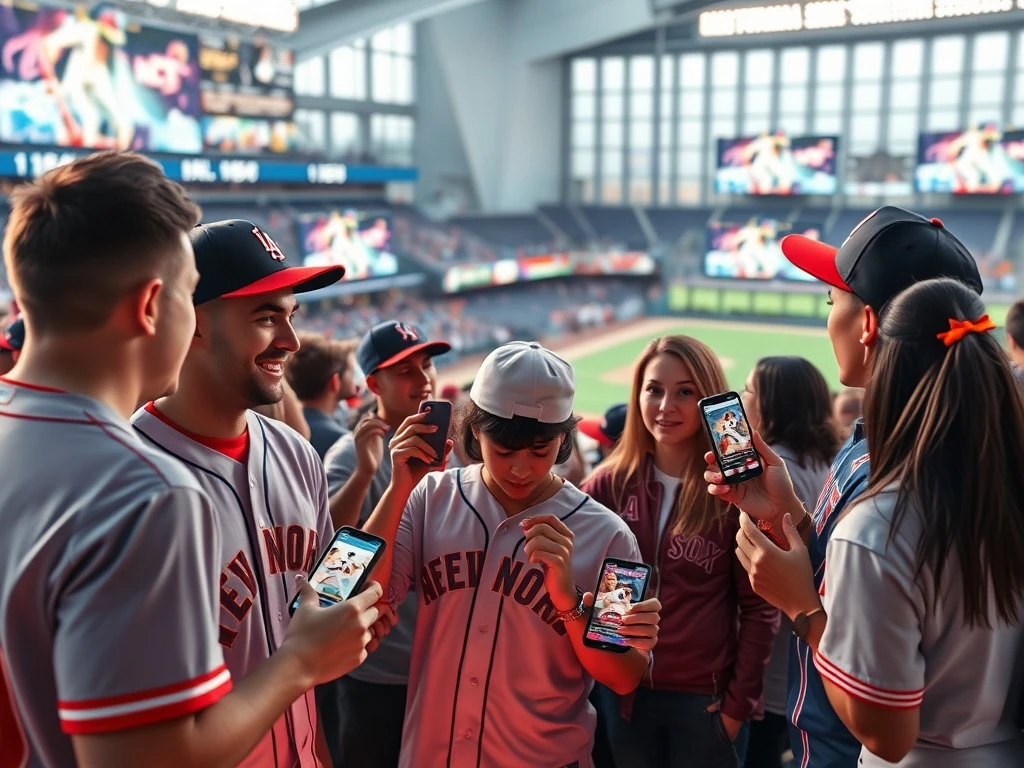
In the evolving field of professional sports, Major League Baseball teams are pioneering a new approach to fan connection through Non-Fungible Tokens. This digital strategy, which gained significant momentum in 2021, represents a fundamental shift from traditional memorabilia to interactive, blockchain-based experiences that are reshaping how organizations engage with their global audience. As of 2025, this technological integration has matured beyond initial speculation to become a core component of baseball’s digital ecosystem.
MLB NFTs: From Digital Hype to Strategic Integration
The journey of MLB NFTs began during the cryptocurrency boom of 2021, when several teams partnered with established platforms like Candy Digital and MLB Champions to launch initial digital collections. However, the initial excitement faced challenges as the broader NFT market experienced volatility. Consequently, teams shifted from speculative digital art to utility-focused tokens that provide tangible fan benefits. This strategic pivot has created sustainable engagement models that complement traditional baseball collectibles rather than replacing them.
Also read: Bitcoin's Liquidity Warning: Why the Heatmap Signals a Critical Juncture
According to sports technology analysts at Deloitte’s Sports Practice, MLB organizations have invested approximately $47 million in blockchain infrastructure since 2022. This investment supports platforms that authenticate digital memorabilia and create exclusive fan experiences. For instance, the San Francisco Giants’ “Digital Dugout” program allows token holders to access virtual meet-and-greets with players. Similarly, the New York Yankees’ “Pinstripe Pass” NFTs provide holders with merchandise discounts and voting rights on minor promotional decisions.
The Evolution of Baseball Collectibles
Traditional baseball collectibles have maintained their cultural significance while digital counterparts have emerged. Physical trading cards, autographed memorabilia, and stadium giveaways continue to represent tangible connections to the game’s history. Meanwhile, MLB NFTs serve as complementary digital assets that offer unique advantages. These tokens provide immutable proof of ownership, instant transferability, and programmable utility that physical items cannot replicate. The table below illustrates key differences between traditional and digital baseball collectibles:
Also read: Leap Wallet Shutdown: Urgent Steps Cosmos Users Must Take Now
| Feature | Traditional Collectibles | MLB NFTs |
|---|---|---|
| Authentication | Third-party grading services | Blockchain verification |
| Transfer | Physical shipping required | Instant digital transfer |
| Utility | Display and resale value | Game tickets, experiences, voting |
| Storage | Physical space required | Digital wallet storage |
| Provenance | Documentation trails | Complete blockchain history |
Strategic Implementation Across MLB Organizations
MLB teams have adopted diverse approaches to NFT integration based on their market size and fan demographics. Large-market franchises typically develop proprietary platforms, while smaller-market teams often collaborate through league-wide partnerships. The Los Angeles Dodgers’ “Blue Heaven” NFT collection, launched in 2023, demonstrates how teams create tiered membership systems. This program offers three distinct token levels with corresponding benefits:
- Silver Tier: Digital artwork and monthly newsletter access
- Gold Tier: All silver benefits plus merchandise discounts
- Platinum Tier: All previous benefits plus exclusive event invitations
Meanwhile, the Tampa Bay Rays have focused on accessibility through their “Rays Rewards” program, which distributes free NFTs during home games that fans can scan for concession discounts. This approach emphasizes utility over speculation, aligning with broader industry trends toward functional digital assets. According to MLB’s 2024 fan engagement report, teams implementing utility-focused NFT programs saw a 34% increase in digital engagement metrics compared to those offering purely collectible tokens.
Technological Infrastructure and Fan Education
Successful MLB NFT programs require reliable technological infrastructure and comprehensive fan education. Teams have invested in user-friendly wallet solutions that simplify the blockchain experience for casual fans. The Chicago Cubs’ “Wrigley Wallet” application, for example, guides users through the entire process from token purchase to redemption. Additionally, most teams now provide dedicated support channels for NFT-related inquiries, recognizing that technological barriers can hinder adoption.
Educational initiatives have proven essential for mainstream acceptance. The MLB Players Association collaborates with teams to produce tutorial content explaining blockchain basics and digital ownership. Former player and current broadcaster David Ortiz has participated in educational campaigns, stating in a 2024 interview, “When I played, we connected through autographs. Now players can connect digitally with fans worldwide through these tokens.” This endorsement from respected figures within baseball has accelerated fan acceptance of the technology.
The Economic Impact and Future Developments
MLB NFTs generate revenue through initial sales and secondary market royalties, typically set between 5-10% of resale value. This creates ongoing revenue streams that teams reinvest in fan experience enhancements. According to financial disclosures, NFT-related revenue accounted for approximately 3.2% of total ancillary revenue for MLB teams in 2024, with projections suggesting growth to 5.8% by 2026. Importantly, this revenue supplements rather than replaces traditional merchandise sales, which continue to grow at approximately 4% annually.
Future developments focus on interoperability and enhanced experiences. The MLB is exploring a league-wide digital collectible standard that would allow tokens to function across different team platforms. Additionally, augmented reality integration represents the next frontier, with several teams testing AR experiences that allow fans to display their digital collectibles in physical spaces. The Boston Red Sox’s experimental “Fenway AR” program, for instance, lets token holders view historical moments through their smartphone cameras when visiting the ballpark.
Regulatory Considerations and Market Stability
As MLB NFT programs expand, regulatory compliance remains a priority. Teams work closely with legal experts to ensure their digital offerings adhere to securities regulations and consumer protection standards. The implementation of clear terms of service and transparent royalty structures has helped establish trust within the fan community. Furthermore, most teams now emphasize the experiential aspects of their tokens rather than investment potential, aligning with regulatory guidance on digital asset marketing.
Market stability has improved significantly since the volatility of 2021-2022. Teams have adopted pricing strategies that reflect utility value rather than speculative potential. The average price for MLB utility NFTs has stabilized between $50-$200, making them accessible to a broad fan base. This pricing approach contrasts sharply with the thousand-dollar speculative NFTs of the initial boom period and reflects the industry’s maturation toward sustainable fan engagement tools.
Conclusion
MLB NFTs have evolved from speculative digital assets to sophisticated fan engagement tools that complement baseball’s rich tradition of collectibles. Through strategic implementation focused on utility and accessibility, teams have created sustainable programs that deepen fan connections while generating supplemental revenue. As technology advances and fan acceptance grows, these digital tokens will likely become increasingly integrated into the baseball experience. The successful adoption of MLB NFTs demonstrates how professional sports organizations can utilize emerging technologies to enhance traditional fan relationships while creating new forms of interactive engagement.
FAQs
Q1: What practical benefits do MLB NFTs offer compared to traditional collectibles?
MLB NFTs provide digital ownership verification, instant transferability, and programmable utilities like exclusive content access, merchandise discounts, and special event invitations that physical items cannot offer.
Q2: How have MLB teams addressed the technological complexity of NFTs for casual fans?
Teams have developed simplified wallet applications, created comprehensive educational content, and established dedicated support channels to help fans manage the blockchain technology behind NFTs.
Q3: What percentage of MLB teams currently offer NFT programs to their fans?
As of 2025, 28 of 30 MLB teams have active NFT programs, with the remaining two organizations planning launches within the current season.
Q4: How do MLB NFTs impact traditional merchandise sales and stadium attendance?
Industry data indicates NFT programs complement rather than replace traditional revenue streams, with teams reporting increased digital engagement that often translates to higher merchandise sales and sustained attendance.
Q5: What security measures protect fans who purchase MLB NFTs?
Teams utilize enterprise-grade blockchain security, implement multi-factor authentication for digital wallets, provide clear ownership terms, and typically offer customer support for disputed transactions or technical issues.

This article was produced with AI assistance and reviewed by our editorial team for accuracy and quality.